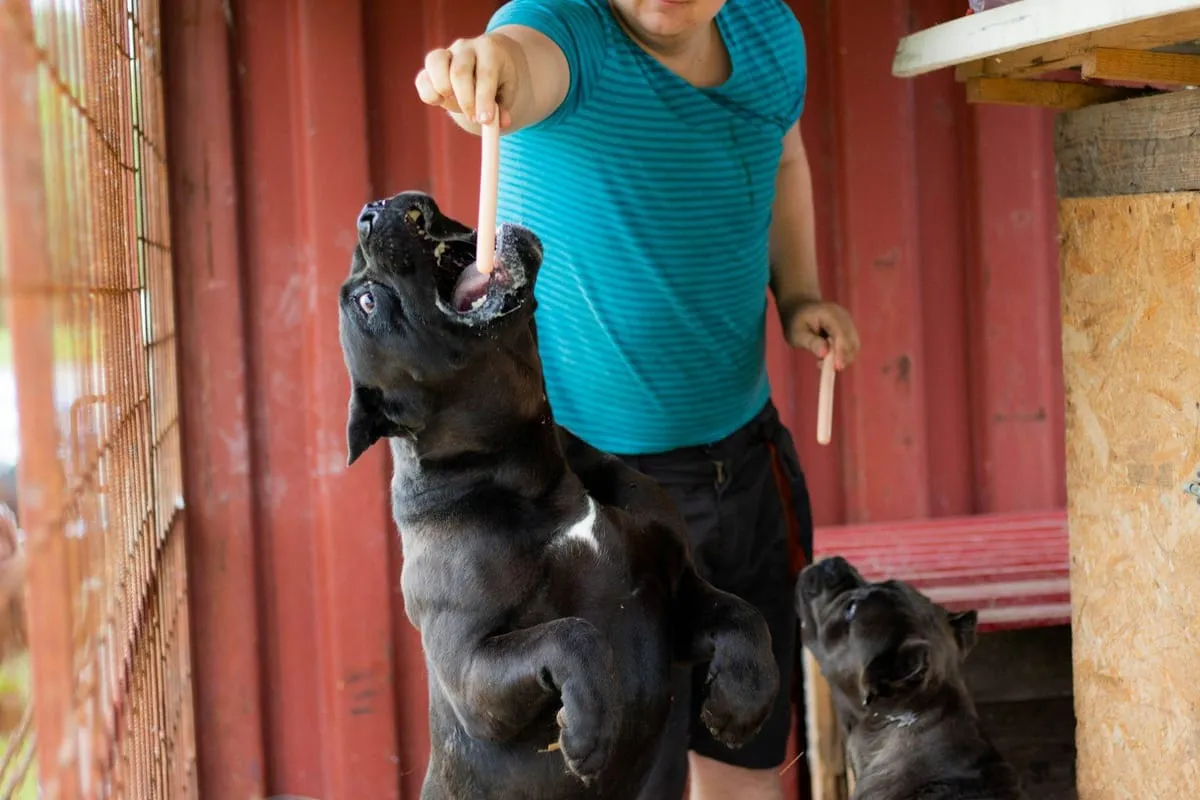
Sharing food with a dog is one of the small pleasures of living with one, and most of the time a bit of plain chicken or a carrot does no harm at all. But some everyday human foods are genuinely dangerous to dogs, a few of them seriously so, and the gap between a harmless treat and a poisonous one is not always obvious. Knowing which is which is basic safety, the kind of thing worth having clear in your head before the moment your dog hoovers something off the floor. This is a guide to both sides: what is fine in moderation, and what to keep well away.
Before the lists, the usual honest note: I am a writer, not a vet, individual dogs vary, and if your dog eats something dangerous the right move is always to call your vet rather than to look it up and hope.
The genuinely dangerous ones
Some human foods are not just unhealthy for dogs but actively toxic, and these are the ones every owner should know by heart.
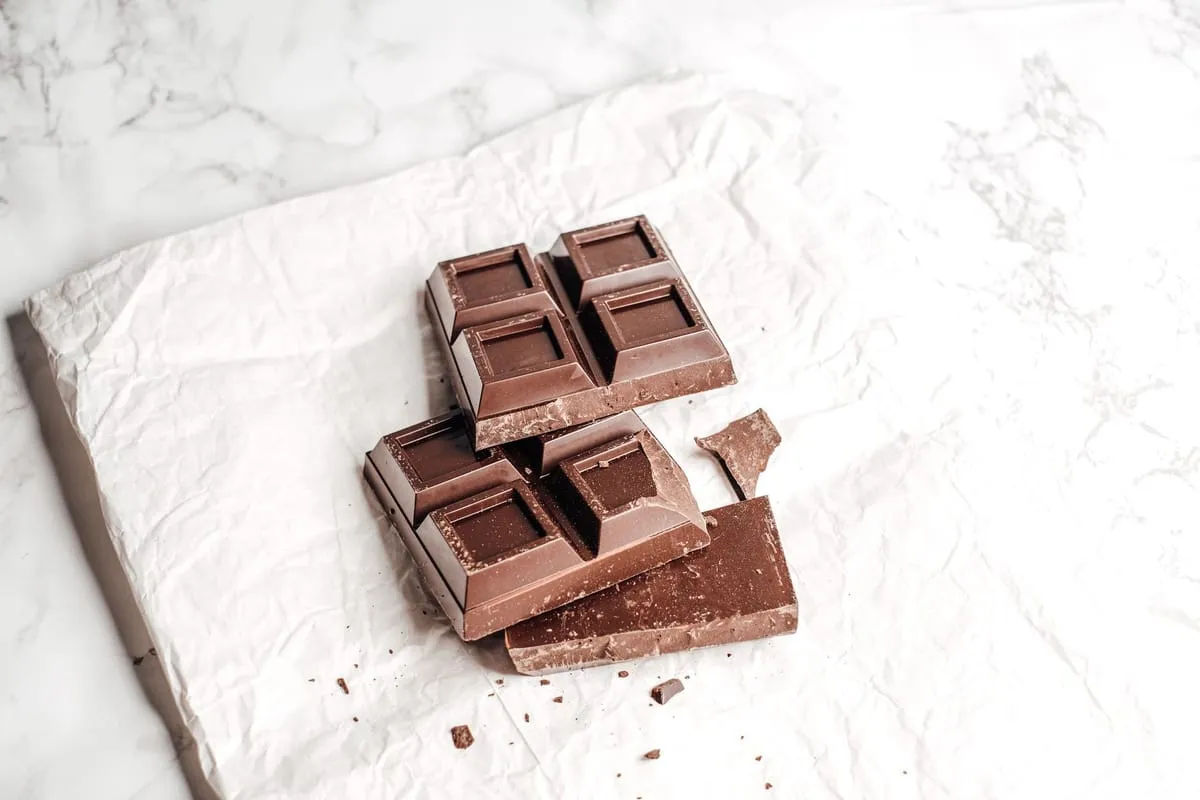
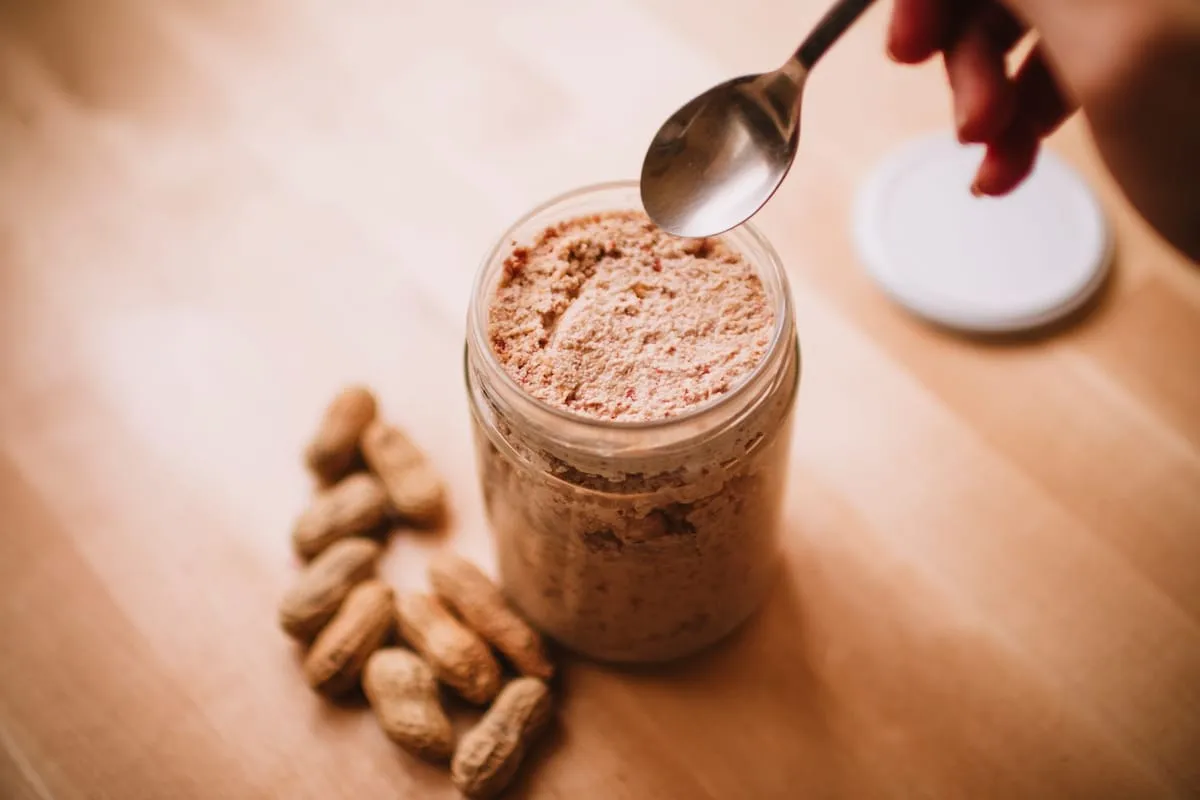
Chocolate is the famous one, and rightly so: it contains theobromine, which dogs cannot process well, and dark chocolate and cocoa are the most dangerous, though any can be a problem in enough quantity. Grapes and raisins can cause kidney failure in dogs, sometimes from surprisingly small amounts, and the danger is unpredictable, so they are a firm no. Onions, garlic, leeks, and chives, raw, cooked, or powdered, damage red blood cells and are hidden in a lot of cooked human food. Xylitol, an artificial sweetener found in sugar-free gum, some peanut butters, and various low-sugar foods, is extremely dangerous to dogs even in tiny amounts and causes a rapid, dangerous drop in blood sugar. Macadamia nuts, alcohol in any form, and caffeine are all harmful too. These are not “a bit unhealthy”, they can cause real, sometimes fatal harm, so they belong well out of a dog’s reach.
The everyday risks that are easy to miss
Beyond the outright toxins, a few common foods and food situations are risky in ways that catch people out, and they are worth knowing too.
Cooked bones are a real hazard, they can splinter and cause choking or serious internal damage, which is why cooked bones from your dinner should never be given, however much the dog wants them. Very fatty foods, trimmings, fried food, and rich leftovers can trigger a painful and sometimes serious pancreas problem, especially in one big greasy helping. Too much salt is not good for dogs, so heavily salted snacks are best avoided. And a sudden large amount of any unfamiliar rich food, even a safe one, can upset a dog’s stomach. Portion and moderation matter here as much as the specific food: a scrap is a scrap, a plateful is a problem.
What is fine in moderation
Plenty of human food is perfectly safe and even a healthy treat, so this is not about banning sharing altogether, just doing it sensibly.
In moderation, dogs can enjoy plain cooked meat with no seasoning, bones, or skin, many plain vegetables such as carrot, green beans, and plain cooked pumpkin, some fruits like apple with the pips and core removed, blueberries, and banana, and plain cooked rice or plain pasta. These make good, low-fuss treats and can be genuinely useful, a bit of carrot is a great low-calorie reward. The key word throughout is plain: it is the seasoning, sauces, onion, garlic, salt, and butter we add for ourselves that often turn a safe food into a risky one, so what is fine for the dog is the food before we dress it up.
Feeding questions go beyond individual foods, too. If you are weighing up how to feed day to day, see our honest guide to wet vs dry dog food.
Quick answers: can dogs eat…?
For the foods people ask about most, we have a straight answer on each, with how much is safe and what to do if your dog has had too much:
- Can dogs eat grapes? (no, toxic)
- Can dogs eat onions? (no, toxic)
- Can dogs eat avocado? (best avoided)
- Can dogs eat apples? (yes, in moderation)
- Can dogs eat bananas? (yes, in moderation)
- Can dogs eat blueberries? (yes, a healthy favourite)
- Can dogs eat strawberries? (yes, in moderation)
- Can dogs eat carrots? (yes, a great low-calorie treat)
- Can dogs eat watermelon? (yes, seedless flesh only)
- Can dogs eat cheese? (yes, small amounts)
- Can dogs eat eggs? (yes, cooked)
- Can dogs eat rice? (yes, plain, good for upset tummies)
- Can dogs eat pumpkin? (yes, great for digestion)
- Can dogs eat oranges? (yes, in moderation)
- Can dogs eat popcorn? (plain air-popped only)
- Can dogs eat peanut butter? (usually, as long as it is xylitol-free)
- Can dogs eat tomatoes? (ripe flesh only)
- Can dogs eat bread? (plain baked only, never raw dough)
And if your dog has got into chocolate, our dog chocolate toxicity calculator estimates how urgent it is from your dog’s weight and the type and amount it ate.
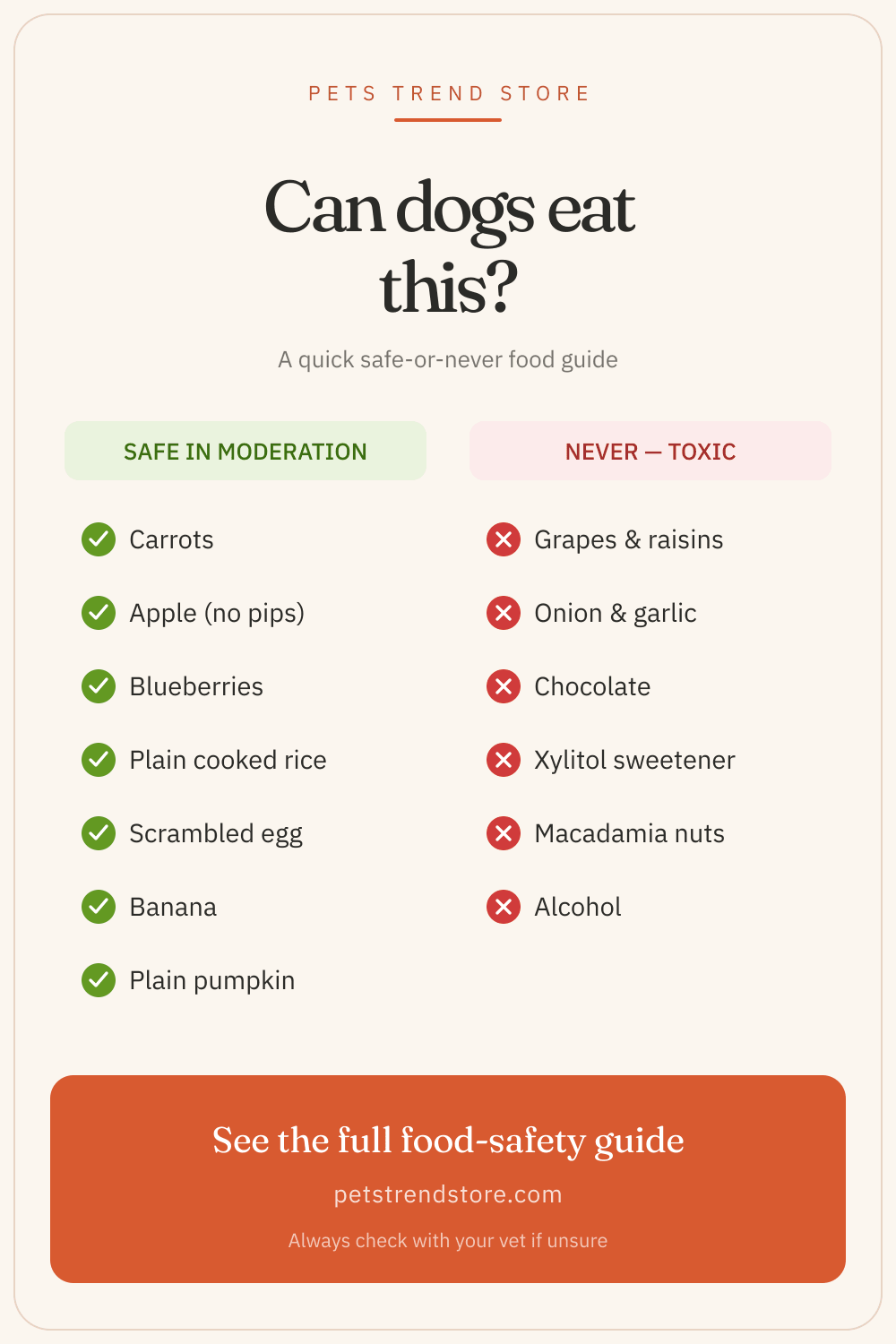
Kept in mind, this is simple enough to live by. Learn the dangerous list well enough to react without hesitating, chocolate, grapes and raisins, onions and garlic, xylitol, macadamias, alcohol, avoid cooked bones and very fatty or salty foods, and stick to plain versions of the safe options in modest amounts. Do that and you can share the odd bit of your food with your dog as a genuine pleasure, without the small risk of a treat turning into an emergency. And keep your vet’s number, and an animal poison line, somewhere findable, because the time you need them is the time you will not want to be searching.
Common questions
- What human foods are toxic to dogs?
- The most important dangerous ones include chocolate, grapes and raisins, onions and garlic, xylitol (a sweetener in sugar-free gum and some foods), macadamia nuts, and alcohol. Cooked bones and very fatty foods are also risky. These can cause serious harm, so keep them well away from your dog.
- What human foods can dogs eat safely?
- In moderation, plain cooked meat without seasoning, many plain vegetables like carrot and green beans, some fruits such as apple without the pips and blueberries, and plain rice. Treats of any kind should stay within about a tenth of the daily food.
- My dog ate chocolate, what should I do?
- Contact your vet or an animal poison line straight away, even if the dog seems fine, and have the type and amount of chocolate and your dog's weight ready. Dark chocolate is the most dangerous. Do not wait for symptoms, since prompt treatment matters.
- Is it bad to feed my dog from the table?
- The food itself may be fine or harmful depending on what it is, but table-feeding also teaches begging and makes it easy to overfeed. If you share food, choose safe items, keep the amounts tiny, and put them in the bowl rather than handing them down, to avoid both risks.