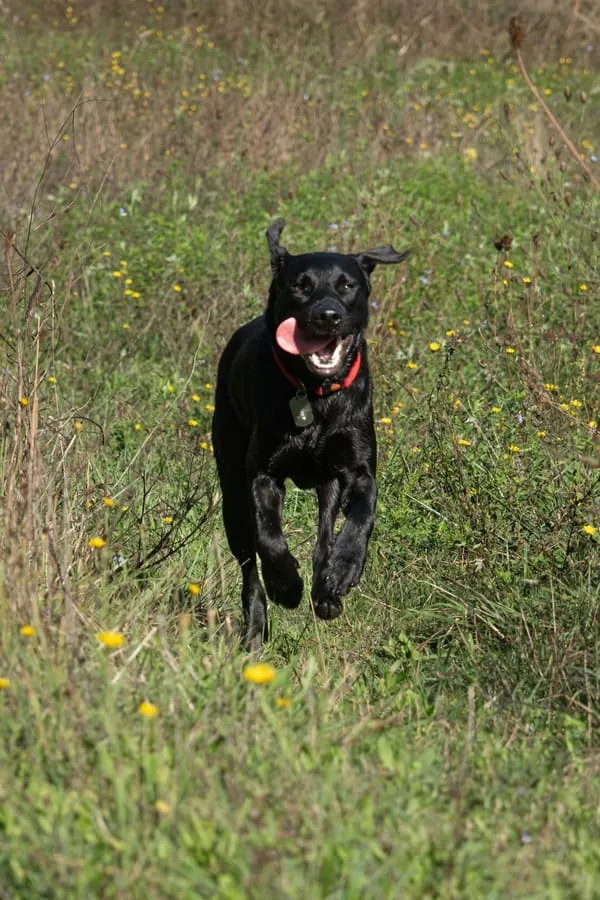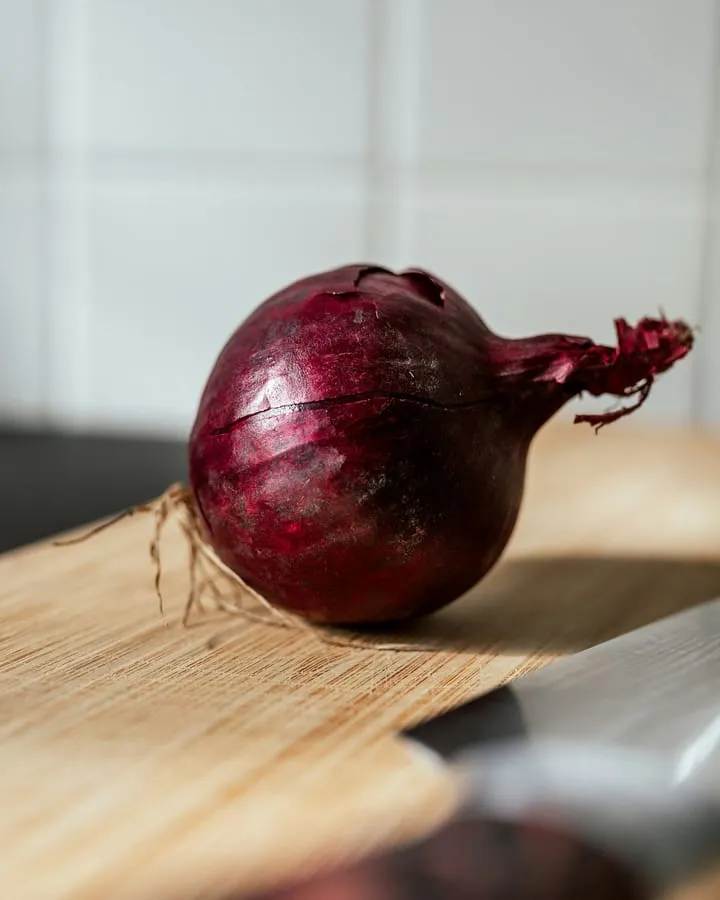
The answer is no. Onions are toxic to dogs, and so is the entire allium family they belong to, which includes garlic, leeks, shallots, and chives. Unlike a food that is merely unhealthy, onions actively damage a dog’s red blood cells, and because onion is cooked into so much of what we eat, this is a toxin that catches dogs out through everyday human meals rather than obvious hazards.
As always, the honest caveat: I am a writer, not a vet, and if your dog has eaten onion or garlic, contact your vet rather than relying on any article.
Why onions harm dogs
Onions and their relatives contain compounds that are safe for us but damaging to dogs, and understanding what they do explains why this is a food to avoid entirely.
These compounds attack a dog’s red blood cells, causing them to break down or be destroyed in a process that leads to a type of anaemia. With fewer working red blood cells, the dog’s blood cannot carry oxygen properly, which is why an affected dog becomes weak and lethargic. The whole allium family, onions, garlic, leeks, shallots, and chives, works this way, and garlic is generally reckoned to be even more potent than onion for its weight, which is worth knowing given the popular but ill-advised idea that a little garlic is somehow good for dogs. There is no established safe or beneficial amount, so the responsible approach is to keep all of these out of a dog’s diet.
Signs of onion poisoning
The effects of onion toxicity often appear over a few days rather than immediately, because the red blood cell damage takes time to build, and the signs reflect the resulting anaemia.
Watch for lethargy and weakness, pale or greyish gums, a faster heart rate or breathing, and reduced appetite. In more serious cases the urine may turn dark, reddish, or brown as damaged blood cells are cleared. There may also be the more immediate signs of stomach upset, vomiting or diarrhoea, soon after eating. Because the anaemia can be delayed, a dog that ate onion-heavy food a day or two ago and is now unusually tired and pale should be taken seriously even if it seemed fine at the time.
What to do if your dog eats onion
If your dog has eaten onion, garlic, or an onion-containing food in more than a tiny trace, the sensible response is to get veterinary advice promptly.
So, can dogs eat onions? No, and that goes for garlic, leeks, shallots, and chives too, whether raw, cooked, fried, dried, or powdered. The practical takeaway is less about keeping dogs away from whole onions and more about being careful with seasoned human food and leftovers, which is where most dogs actually encounter a harmful dose. When you share food with your dog, stick to plain, unseasoned items, and keep the onion-rich dishes to yourself. For the full picture of which human foods are safe and which are dangerous, see our guide to safe and toxic foods for dogs.
Common questions
- Is garlic toxic to dogs like onions?
- Yes. Garlic is in the same family as onions and works the same way on a dog's red blood cells, and it is generally considered even more potent by weight. Despite claims that a little garlic is a healthy supplement, the safest approach is to avoid feeding dogs garlic and onions altogether.
- How much onion is toxic to a dog?
- The effect is dose-related and can build up, so both a single larger amount and repeated small amounts over time can cause harm, with smaller dogs at greater risk. Because it is hard to judge a safe amount and there is no benefit to feeding it, the sensible answer is none.
- Are cooked onions safe for dogs?
- No. Cooking does not remove the toxic compounds, so cooked, raw, fried, powdered, and dried onions are all harmful. This matters because onion is cooked into so much human food, from gravy and stews to seasoning powders, where a dog can eat a damaging amount without anyone realising.