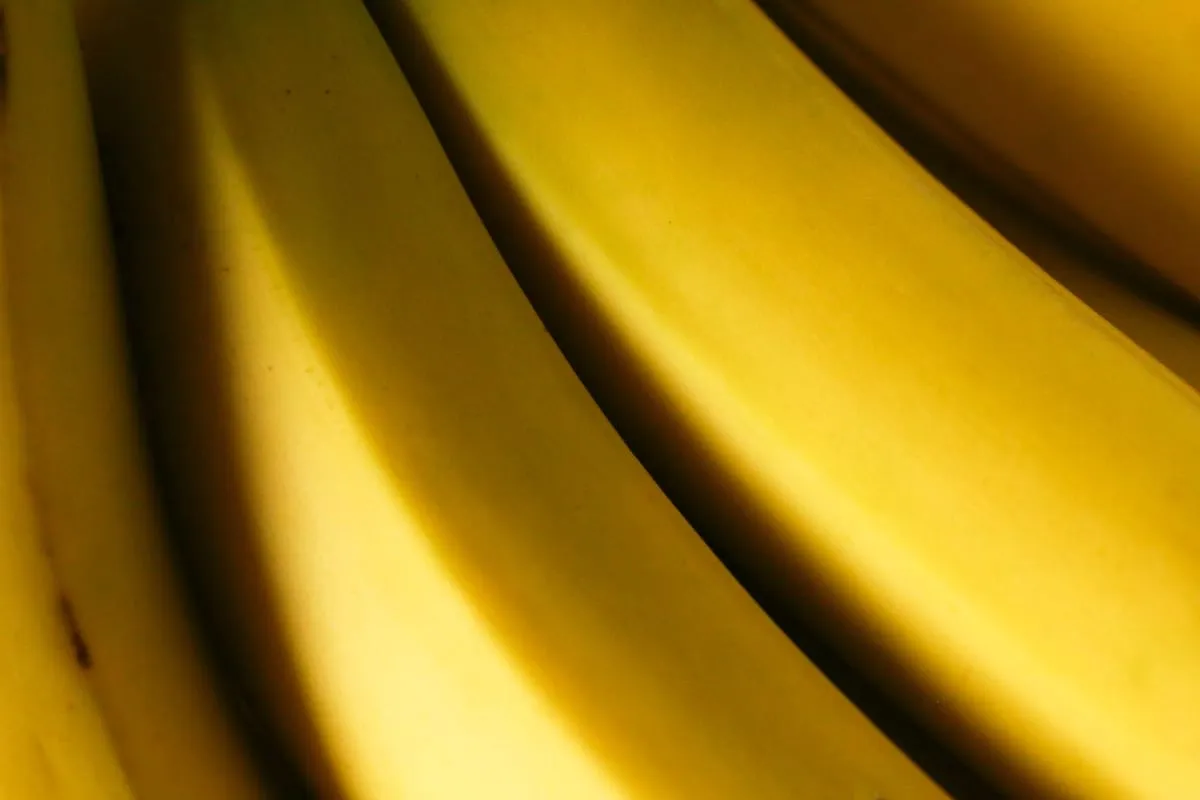
Yes, dogs can eat bananas, and plenty of dogs adore them. Soft, sweet, and easy to mash, a banana is a handy and wholesome treat in small amounts. The one thing to keep in mind is the sugar: bananas are higher in natural sugar than a vegetable like carrot, so they are a treat to give in moderation rather than by the bunch. Get the amount right and they are a lovely, useful snack.
Why bananas make a handy treat
Bananas are a popular dog treat for good reasons beyond just being sweet, and their texture makes them especially practical.
They offer fibre, potassium, vitamin C, vitamin B6, and other nutrients, so in modest amounts they are a genuinely wholesome snack rather than empty calories. Their soft, mashable texture is what makes them particularly handy: a smear of banana is perfect for hiding a tablet, stuffing into a rubber toy to freeze, or mixing into a puzzle feeder, and small pieces work as easy training treats for dogs that like them. Most dogs find them very palatable, which adds to the appeal. As with all fruit, though, a banana is an extra on top of a complete diet rather than a nutritional necessity, so the value is in being a healthy, well-liked treat rather than something your dog needs.
How to serve banana
Serving banana is easy, with just a couple of sensible steps to keep it safe.
Peel the banana and offer only the soft flesh, since the skin, while not toxic, is tough and hard to digest and best avoided. Cut the flesh into pieces appropriate for your dog’s size to avoid any choking risk, or mash it for mixing and stuffing. Bananas lend themselves nicely to frozen treats: mashed banana frozen in a rubber toy makes a cooling, long-lasting summer snack. Keep it plain, with nothing added, and treat banana chips or dried banana with more caution, as these are more concentrated in sugar than fresh.
Watch the sugar
The main reason bananas are a moderation food comes down to their sugar content, which is worth keeping in perspective.
Bananas are relatively high in natural sugar compared with many dog-friendly vegetables, so while that sugar is not harmful in small amounts, too much can cause stomach upset and loose stools and adds calories that can lead to weight gain over time. Keep bananas to an occasional treat in small portions, a few small pieces for a large dog or a slice or two for a small one, counted within the roughly one-tenth of daily food that treats should occupy. Dogs that are overweight or diabetic should have banana only very sparingly if at all, and it is worth a word with your vet if your dog has a condition affecting its diet.
So, can dogs eat bananas? Yes, as a soft, sweet, occasional treat that most dogs love, served without the peel and kept to small amounts because of the sugar. They are especially useful for hiding medication and making frozen enrichment treats, which is a nice bonus on top of being a wholesome snack. For the wider view of which foods are safe to share and which are best avoided, see our guide to safe and toxic foods for dogs.
Common questions
- Can dogs eat banana peel?
- Banana skin is not toxic, but it is tough, hard to digest, and a potential choking or blockage risk, so it is best not to let your dog eat the peel. Remove it and offer just the soft flesh, cut into suitable pieces for your dog's size.
- How much banana can a dog have?
- A little goes a long way because bananas are high in natural sugar. A few small pieces for a big dog, or a slice or two for a small one, as an occasional treat is plenty. Keeping it modest avoids stomach upset and unnecessary calories, especially for overweight or diabetic dogs.
- Are bananas good for dogs?
- In small amounts they are a wholesome treat, offering fibre, potassium, and vitamins, and their soft texture makes them handy for hiding tablets or stuffing toys. They are not a necessary part of the diet, though, and their sugar means they should stay an occasional snack rather than a daily habit.