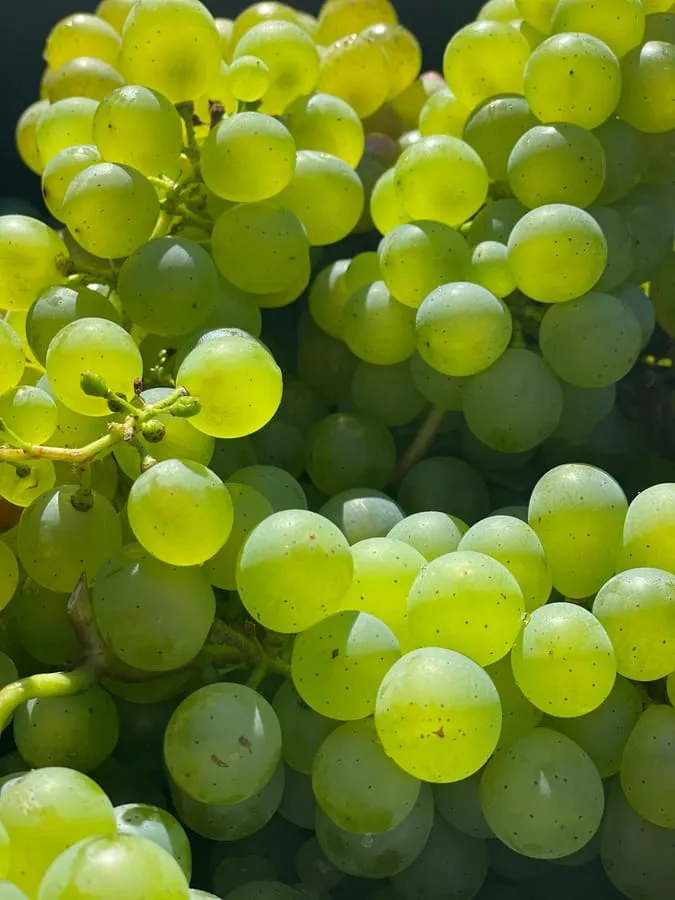
The short answer is no, and it is one of the firmest nos in dog nutrition. Grapes, and their dried forms, raisins, sultanas, and currants, are genuinely toxic to dogs and can cause sudden, severe kidney failure. What makes them especially frightening is how unpredictable the effect is, so this is not a food to be relaxed about even in tiny amounts.
Before we go further, the usual honest note: I am a writer, not a vet, and grape toxicity is a genuine emergency. If your dog has eaten grapes or raisins, the right move is always to phone your vet, not to look it up and hope.
Why grapes are dangerous
Grapes are one of the more mysterious toxins in the dog world, because the exact substance responsible is still not fully pinned down, though damage to the kidneys is the well-documented result.
What is clear is the effect: in susceptible dogs, grapes and raisins can trigger acute kidney injury, where the kidneys are damaged and can stop working properly, which is life-threatening. The truly unnerving part is the unpredictability. Some dogs eat grapes with no apparent harm, while others become severely ill from a small amount, and there is no reliable way to tell in advance which dog, or which grape, will cause a problem. Because of that, the sensible and universal advice is simply never to let a dog have grapes or raisins at all, and to treat any accidental ingestion as potentially serious rather than gambling on your dog being one of the lucky ones.
Signs to watch for
If a dog has eaten grapes or raisins, signs can develop over hours to a day or two, and knowing them helps you convey urgency to the vet, though you should not wait for them to appear before acting.
Early signs often include vomiting and diarrhoea, sometimes with pieces of grape or raisin visible, along with lethargy and a loss of appetite. As kidney damage sets in, you may see increased thirst, and then, worryingly, reduced or no urine production as the kidneys fail. A dog that has eaten grapes and then goes quiet, off its food, and stops weeing normally is showing signs of a serious problem. But the whole point of acting early is that treatment works best before this stage, so the signs are a reason the situation is grave, not a checklist to wait for.
What to do if your dog eats grapes
Because the toxicity is unpredictable and the stakes are kidney failure, the response is straightforward: treat it as an emergency.
So, can dogs eat grapes? No, never, in any amount or form, fresh or dried. Keep grapes, raisins, sultanas, and currants, and the many foods that contain them, well out of your dog’s reach, and if your dog does get hold of some, do not wait and see. Phone your vet straight away. It is one of those foods where the honest, cautious answer really is the only answer, because the risk is a failing pair of kidneys and there is no reliable safe dose to fall back on. For the wider list of foods that are genuinely dangerous, see our guide to safe and toxic foods for dogs.
Common questions
- How many grapes are dangerous for a dog?
- There is no known safe amount. Grape toxicity is unpredictable, and some dogs have become seriously ill after eating just a few, while the effect does not seem to depend reliably on size or quantity. Because you cannot know how your dog will react, treat any amount as a reason to contact your vet.
- Are raisins worse than grapes for dogs?
- They are just as dangerous, and because they are dried and concentrated, a small handful of raisins, sultanas, or currants packs more into a smaller volume. That also makes them easy for a dog to gobble from a dropped cake or cereal, so keep dried fruit well out of reach.
- My dog ate one grape. What should I do?
- Contact your vet or a pet poison line straight away, even for a single grape and even if your dog seems fine. Because the toxic effect is unpredictable and can lead to kidney failure, vets would far rather treat early than wait for symptoms. Do not try to make your dog sick yourself unless told to.