If your dog gets hold of a pack of sugar-free gum, this is not a “wait and see” situation. Xylitol, a sugar substitute in a huge range of everyday products, is one of the fastest-acting toxic substances a dog can eat, and it does damage in a completely different way to foods like chocolate or grapes. Here is what it actually does, where it hides, and why the advice is always the same: call your vet immediately, not after symptoms start.
Why xylitol is so dangerous to dogs
In people, xylitol barely affects blood sugar. In dogs, it does the opposite. A dog’s body mistakes xylitol for real sugar and releases a surge of insulin in response, and that insulin then drives the dog’s actual blood sugar down to dangerously low levels, a condition called hypoglycaemia. This can happen within 10 to 60 minutes of eating something with xylitol in it, which is much faster than the reaction most owners expect from a “toxic food.”
At higher doses, xylitol can also cause acute liver failure, sometimes without hypoglycaemia happening first, and sometimes a day or two after the low blood sugar has already been treated. Vets do not fully understand why some dogs develop liver damage and others do not, which is part of why any confirmed or suspected xylitol ingestion gets treated as an emergency rather than monitored at home.
Where xylitol actually hides
Gum and mints are the ones most owners have heard about, but xylitol turns up in a lot of places that do not look like obvious hazards.
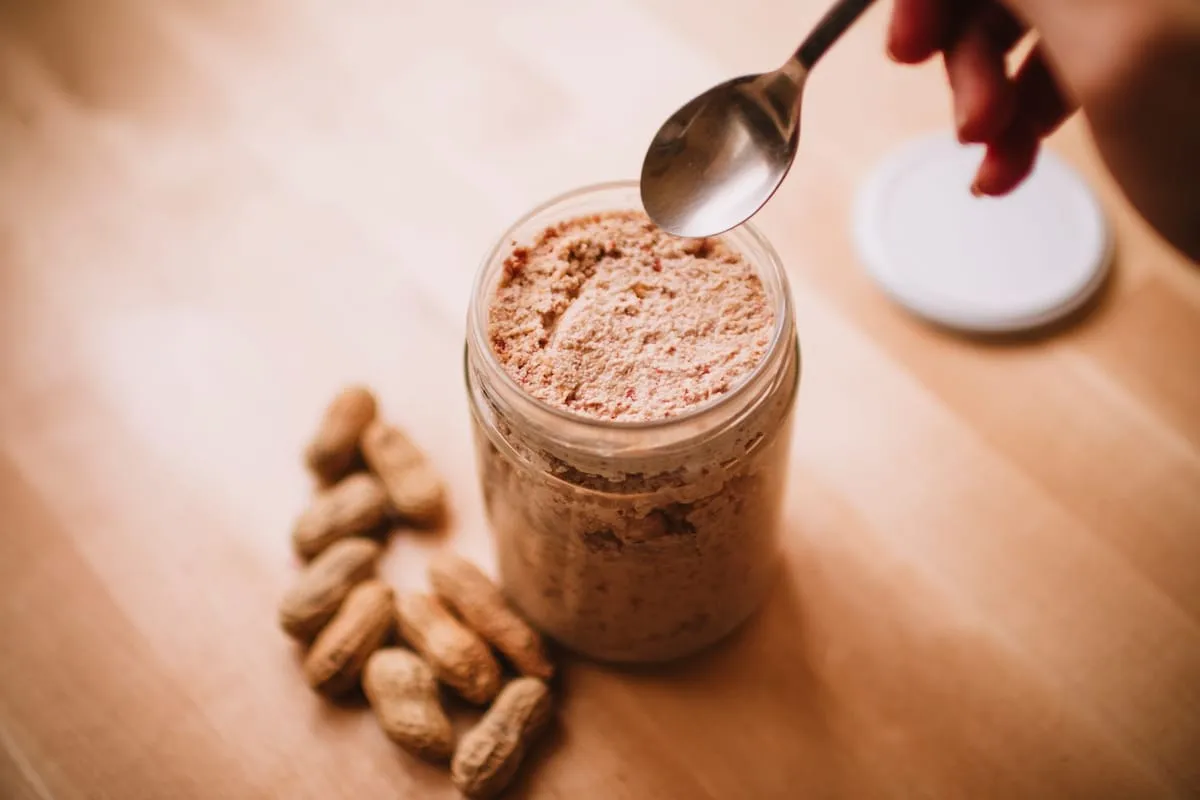
Sugar-free and “no added sugar” peanut and nut butters are a genuine risk, especially since peanut butter is a popular way to hide a dog’s tablets or stuff a food toy. Always check the ingredients list of any peanut butter before giving it to a dog, every time, since manufacturers change formulations without warning. Sugar-free baked goods, low-sugar ketchup and syrup, some toothpaste and mouthwash, chewable human vitamins, and various “keto” or diabetic-friendly snack foods can all contain it too. Xylitol is not always named clearly on the front of the pack, so the ingredients list is the only reliable place to check.
What xylitol poisoning looks like
The first signs are usually vomiting, weakness, wobbliness or poor coordination, and general lethargy, and they can start within 10 to 60 minutes. Left untreated, a dog’s blood sugar can keep falling, leading to collapse, tremors, or seizures within a few hours. Liver damage, when it happens, can show up later as vomiting, lethargy, or yellowing of the gums or eyes over the following day or two, sometimes even in a dog that recovered well from the initial hypoglycaemia.
Because the timeline is so fast, waiting to see whether symptoms develop before calling anyone wastes the window where treatment works best.
What to do if your dog eats something with xylitol in it
Call your vet or an animal poison control line immediately, even if your dog seems completely normal. Try to establish roughly how much your dog ate and when, and have the packaging on hand if you can, since the exact xylitol content genuinely changes how urgent the situation is.
Do not wait for symptoms to appear before acting, and do not try to induce vomiting at home without veterinary guidance, since the right response depends on how recently the xylitol was eaten. A vet may want to see your dog straight away to check and stabilise blood sugar, even before any symptoms show, because catching hypoglycaemia early is far easier to treat than waiting for a collapse.
The label-checking habit that actually prevents this
Most xylitol incidents happen because something sugar-free was treated like an ordinary version of the same product, a “healthier” peanut butter, a stick of gum left in a bag, a sugar-free treat bought without checking. The single most useful habit is reading the ingredients list on anything sugar-free, low-sugar, or diabetic-friendly before it goes anywhere near your dog, and keeping those products stored the way you would store any other medicine cabinet item.
So, is xylitol dangerous to dogs? Very much so, and faster-acting than most of the toxic foods people already know to avoid. If your dog gets into anything containing it, call your vet straight away rather than waiting to see what happens. For the wider list of what else to keep out of reach, see our guide to which human foods are safe for dogs.
Common questions
- How much xylitol is dangerous to a dog?
- Very little. A dose of around 0.1 gram per kilogram of body weight can drop a dog's blood sugar dangerously low, and a single piece of sugar-free gum can contain enough to affect a small dog. There is no safe amount to allow on purpose, and product labels rarely state the xylitol content clearly enough to calculate a "safe" dose yourself.
- What are the first signs of xylitol poisoning in dogs?
- Vomiting, weakness, wobbliness, and lethargy, often starting within 10 to 60 minutes of eating something with xylitol in it. This is much faster than most food toxicities. Left untreated, low blood sugar can progress to collapse or seizures within a few hours.
- What foods contain xylitol besides gum?
- Sugar-free mints, some peanut and nut butters, sugar-free baked goods, low-sugar condiments like ketchup and syrup, some toothpaste and mouthwash, chewable vitamins, and certain diet or "keto" snack foods. Always check the ingredients label on anything sugar-free before giving it to a dog, including peanut butter used to hide medication.
- My dog ate something with xylitol but seems fine, do I still need to call the vet?
- Yes, call straight away rather than waiting to see if symptoms appear. Xylitol acts fast, but a dog can still look normal in the first few minutes while blood sugar is already dropping, and by the time obvious symptoms show up, treatment is more urgent. Vets would rather take a call about a dog that turns out fine than see one that was brought in too late.