The answer is usually yes, dogs can eat peanut butter, and most go slightly wild for it, but there is one crucial thing you must check first, because it can be the difference between a happy treat and a fatal poisoning. Some peanut butters, and other products, contain xylitol, an artificial sweetener that is deadly to dogs. As long as you choose a xylitol-free, plain peanut butter and serve it in moderation, it is a fine and very useful treat. But the label check is not optional.
The one thing to check: xylitol
Before anything else about peanut butter, you need to know about xylitol, because it is the reason peanut butter comes with a warning at all.
The good news is that this is entirely avoidable: most ordinary peanut butters do not contain xylitol, and once you have checked the label and confirmed it is xylitol-free, peanut butter becomes a safe and handy treat. The rule is simply to check every time, especially with any product marketed as low-sugar or sugar-free, since those are the ones most likely to use it.
Choosing a safe peanut butter
Beyond the xylitol check, picking the right kind of peanut butter makes it a healthier treat.
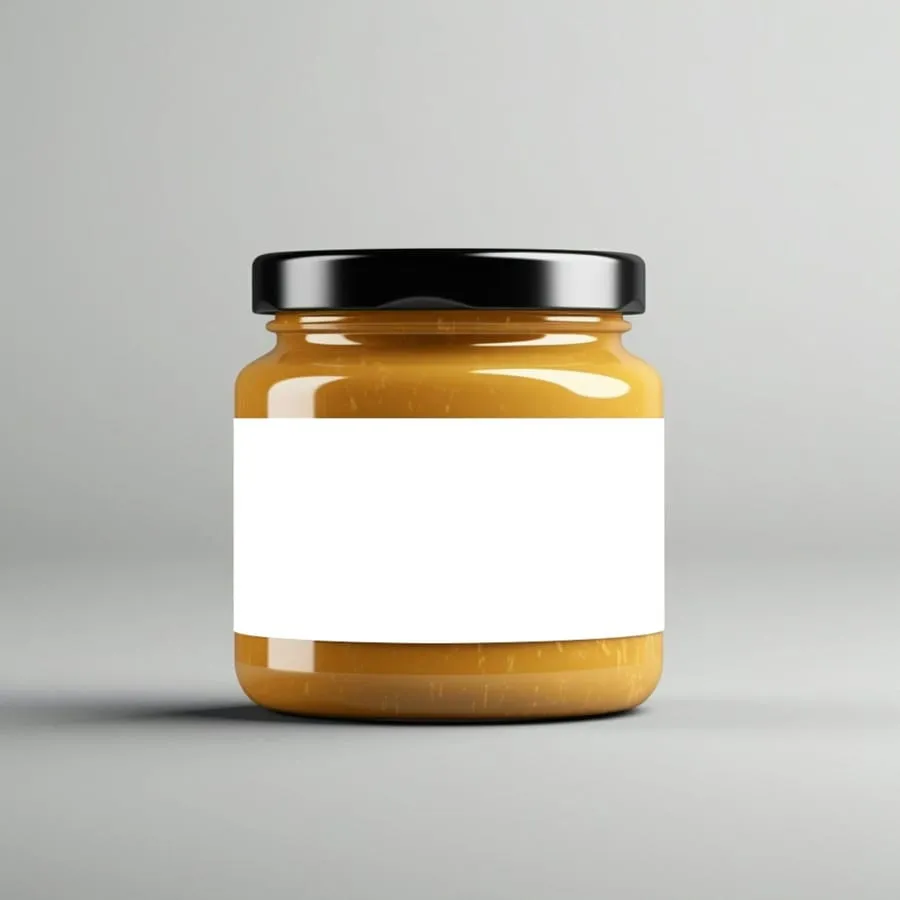
Aim for a plain, unsalted, unsweetened peanut butter, ideally one that is just peanuts, with no added sugar, salt, palm oil, or artificial sweeteners. The simpler the ingredients, the better, and a natural peanut butter that is nothing but ground peanuts is the ideal. Avoid the low-sugar and diet versions, which are exactly where xylitol tends to appear, and steer clear of anything with added chocolate or other flavourings. Reading the label takes a moment and lets you choose a treat that is safe and free of the extras your dog does not need.
How to serve it, in moderation
Once you have a safe, plain peanut butter, the main consideration is that it is rich, so a little goes a long way.
Peanut butter is high in fat and calories, so it should be an occasional treat in small amounts rather than something fed by the spoonful, or it can cause stomach upset and contribute to weight gain over time. Where it really shines is as a tool: a smear of peanut butter is perfect for stuffing into a rubber toy and freezing for long-lasting enrichment, for hiding a tablet your dog would otherwise refuse, or for making bath time and nail trims more bearable by smearing some on a surface to lick. Used this way, a small amount of peanut butter earns its keep as one of the most useful treats in the cupboard. Keep the total modest and count it within your dog’s daily treat allowance, and be extra sparing with overweight dogs.
So, can dogs eat peanut butter? Yes, provided it is xylitol-free, which you must confirm on the label every time, and given in small amounts because it is rich. Choose a plain, natural peanut butter, use it for stuffing toys and hiding tablets, and keep the portions modest, and it is a genuinely handy and much-loved treat. Just never skip the xylitol check, because that single habit is what keeps a favourite treat from becoming a tragedy. For the wider list of foods to embrace and avoid, see our guide to safe and toxic foods for dogs.
Common questions
- Why do I need to check peanut butter for xylitol?
- Xylitol is an artificial sweetener that is extremely toxic to dogs, causing a rapid, dangerous drop in blood sugar and possible liver failure, and some peanut butters and other foods contain it. Because even a small amount can be fatal, you must read the label of any peanut butter before giving it to a dog and never use one containing xylitol.
- How much peanut butter can a dog have?
- A small amount as an occasional treat, because peanut butter is high in fat and calories. A little smear is usually plenty, and it is best used for stuffing toys, hiding tablets, or training rather than fed by the spoonful. Too much can cause stomach upset or weight gain over time.
- What kind of peanut butter is safe for dogs?
- A plain, unsalted, unsweetened peanut butter with no xylitol and ideally no added sugar or palm oil, so just peanuts, is the best choice. Always check the ingredients list for xylitol, which may also appear as birch sugar, before offering any peanut butter to your dog.