A full bowl sitting untouched at dinnertime is one of the first things owners notice, because most dogs treat food as the highlight of their day. When a dog that normally inhales its meal suddenly walks away from it, it is natural to worry, and sometimes that worry is justified. Most of the time, though, a single skipped meal has an ordinary explanation and sorts itself out within a day. The job is telling which kind of situation you are in.
What one skipped meal usually means
A dog that turns down one meal but is otherwise behaving normally, still drinking, still keen for a walk, still greeting you the same way, is rarely in trouble. Heat, a recent car journey, excitement, a change in routine, or simply being a bit full from an earlier treat can all take the edge off appetite for a single sitting. Some dogs also go through ordinary phases of eating less as they get older or less active, the same way people do not eat identically every single day.
The useful habit is judging by meals missed, not days passed. If your dog skips dinner but eats breakfast the next morning as if nothing happened, that was almost certainly a one-off. If the next meal is refused too, and the one after that, the picture changes, and it is worth moving from watching to acting.
When it stops being ordinary
Appetite loss earns real attention once it lines up with other changes, because dogs rarely go off food for no reason at all when something is genuinely wrong. Watch for vomiting, diarrhea, noticeably low energy, drinking much more or much less than usual, weight loss you can feel along the ribs, or a dog that seems withdrawn rather than simply uninterested in the bowl. Bad breath alongside reduced eating can point to dental pain, since a sore mouth makes chewing kibble unpleasant enough to avoid altogether. Any of these paired with not eating moves a dog from “having an off day” to “worth a vet visit.”
Pain is a common, easy-to-miss cause
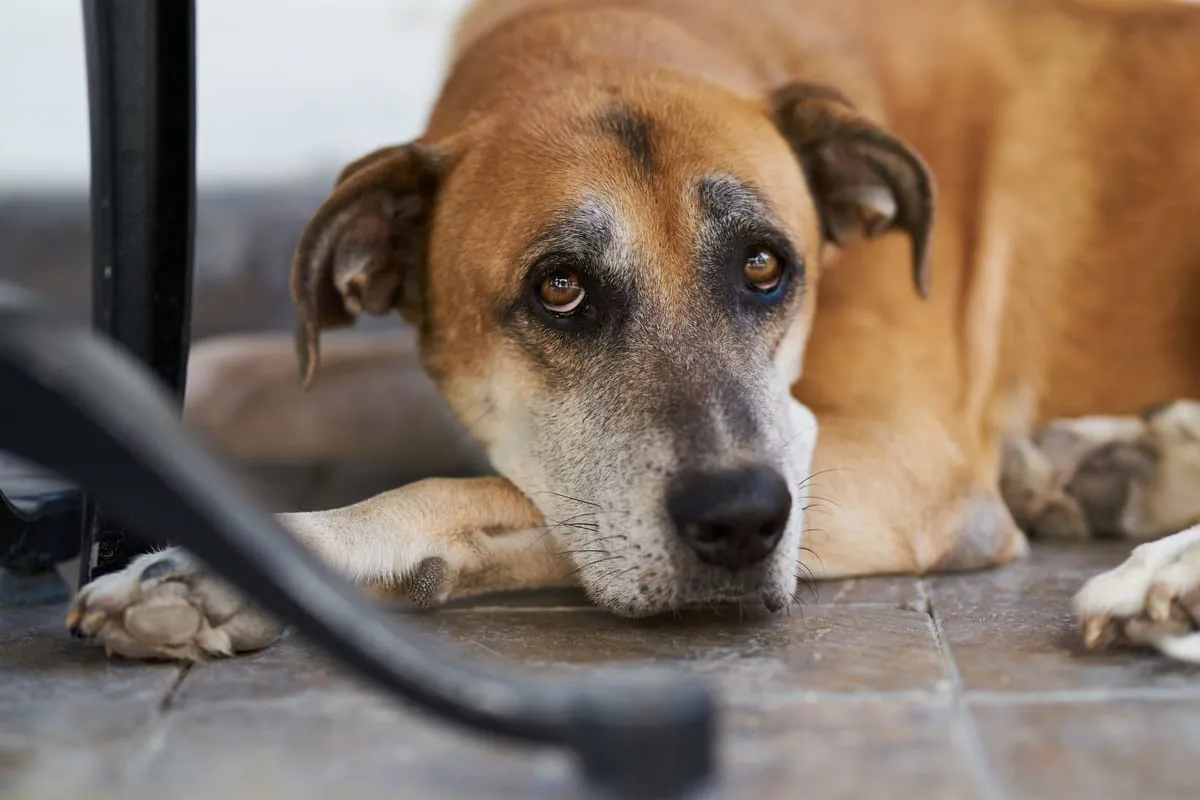
A dog does not have to be obviously injured to be in pain that puts it off food. Dental disease, an aching joint, a sore back, or something as ordinary as a grass seed lodged somewhere uncomfortable can all be enough to make eating feel like more effort than it is worth, without any dramatic limping or crying out to give it away. Our guide to the signs your dog is in pain covers the quieter signals, stiffness after resting, reluctance to jump, a change in posture, that are easy to miss day to day. If your dog is eating less and any of those ring true, pain is worth ruling out before assuming it is fussiness.
Senior dogs deserve a bit more caution here specifically, because reduced appetite in an older dog is more often tied to an underlying condition than in a young, healthy one. Our guide on caring for a senior dog has more on the changes worth watching for as dogs age.
What to do while you wait and see
For a dog that is otherwise bright and has only missed one meal, offer the next meal as normal rather than switching food or adding rich extras to tempt it, since that can create a fussy-eating habit on top of whatever caused the original skip. A small plain meal, boiled chicken and plain rice in modest portions, is a reasonable one-off if you want to offer something more appealing, but keep it bland. Avoid fatty additions like butter, cheese, or leftovers to coax a reluctant eater, because a rich meal on top of an already unsettled stomach is a known trigger for pancreatitis, which turns a minor issue into a genuinely painful one.
Keep water available and note whether your dog is still drinking normally, since a dog that has also stopped drinking is a different, more urgent situation than one that is simply picking at food. Write down when the refusal started and anything else that changed that day, new treats, a new environment, anything eaten on a walk, because that timeline is exactly what a vet will ask for if the problem continues.
When to call the vet
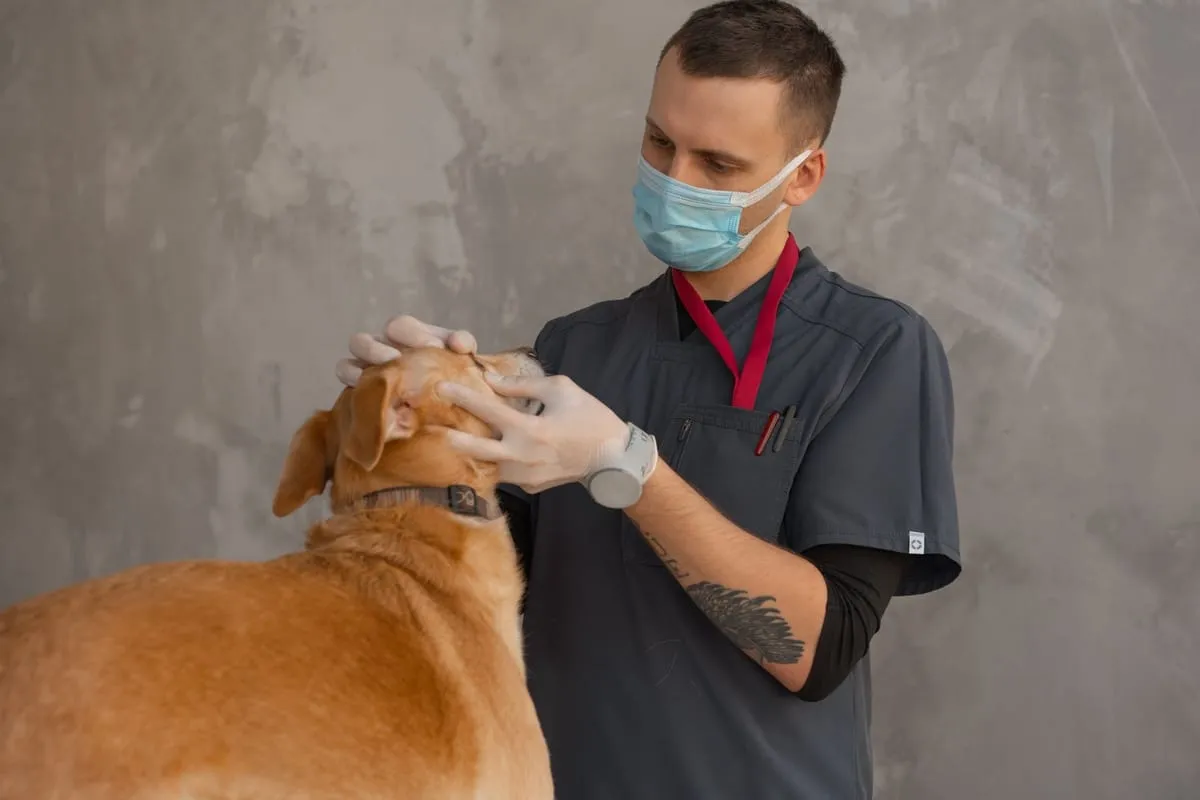
Call the same day if not eating is paired with vomiting, diarrhea, lethargy, a swollen belly, pale gums, or any sign your dog is genuinely unwell rather than just disinterested in the bowl. Call if a healthy adult dog has refused two meals in a row, or if a puppy, senior, or small-breed dog has refused even one meal alongside any change in energy. Outside of those situations, one skipped meal from an otherwise normal, active dog is usually fine to watch for a day before it needs anything more than a bit of patience with the next bowl.
Common questions
- Why is my dog not eating but acting normal?
- A dog that skips a meal but is otherwise bright, drinking normally, and keen to go out is often just having an off day, a hot afternoon, a change of food, or mild stomach upset. Give it one meal, not one day, before worrying, and offer the next meal as normal rather than switching foods or adding extras straight away.
- How long can a dog safely go without eating?
- A healthy adult dog can usually go 24 to 48 hours without eating without lasting harm, as long as it is still drinking. Puppies, toy breeds, seniors, and dogs with an existing health condition have far less reserve and should see a vet much sooner, often within a few hours of refusing food, because they can drop blood sugar or decompensate quickly.
- What are the warning signs alongside not eating that mean I should call the vet straight away?
- Vomiting, diarrhea, lethargy, a swollen or hard belly, repeated retching without bringing anything up, pale gums, or your dog seeming genuinely unwell rather than just uninterested in food are all reasons to call a vet the same day. A swollen belly with retching in particular can be bloat, which is a life-threatening emergency, not a wait-and-see situation.
- Should I tempt my dog to eat with something new or fatty?
- A small amount of something bland and appealing, like plain boiled chicken and rice, is fine to try once. Avoid rich, fatty, or unfamiliar treats to tempt a dog that will not eat, since a fatty meal can trigger pancreatitis in a dog whose stomach is already unsettled, turning a mild problem into a more serious one.