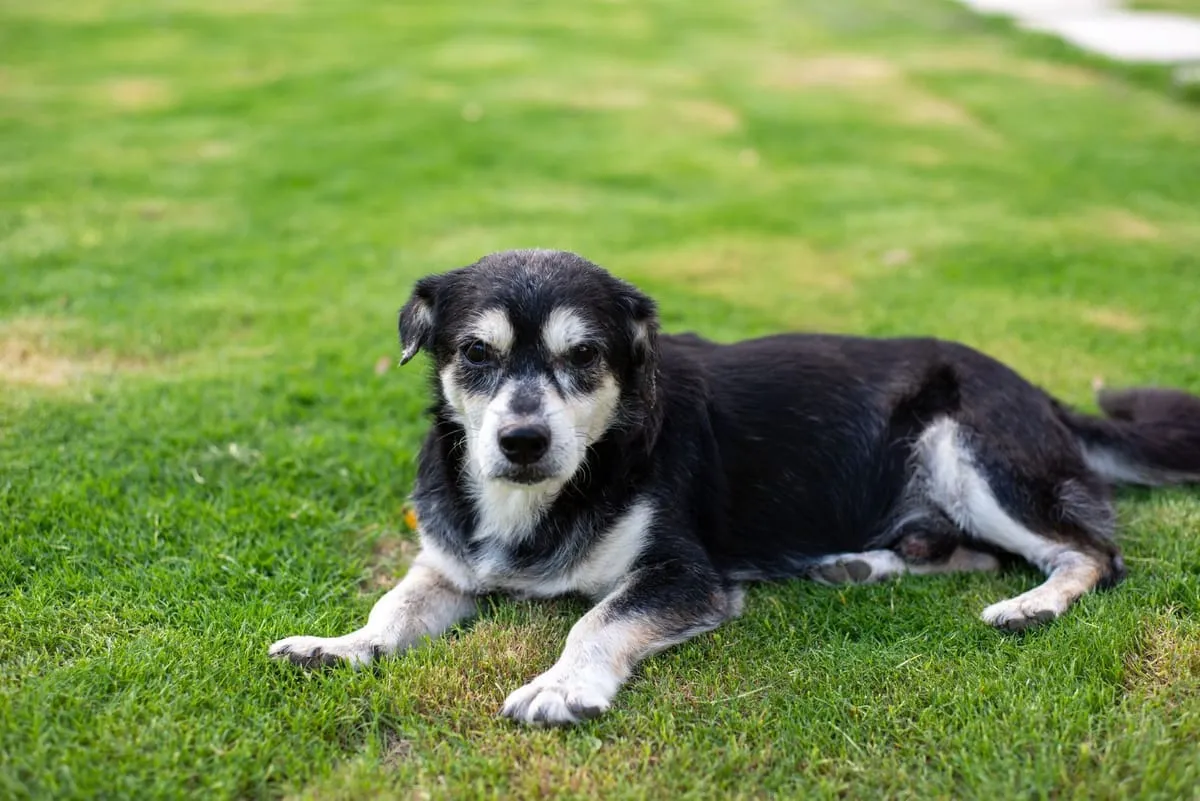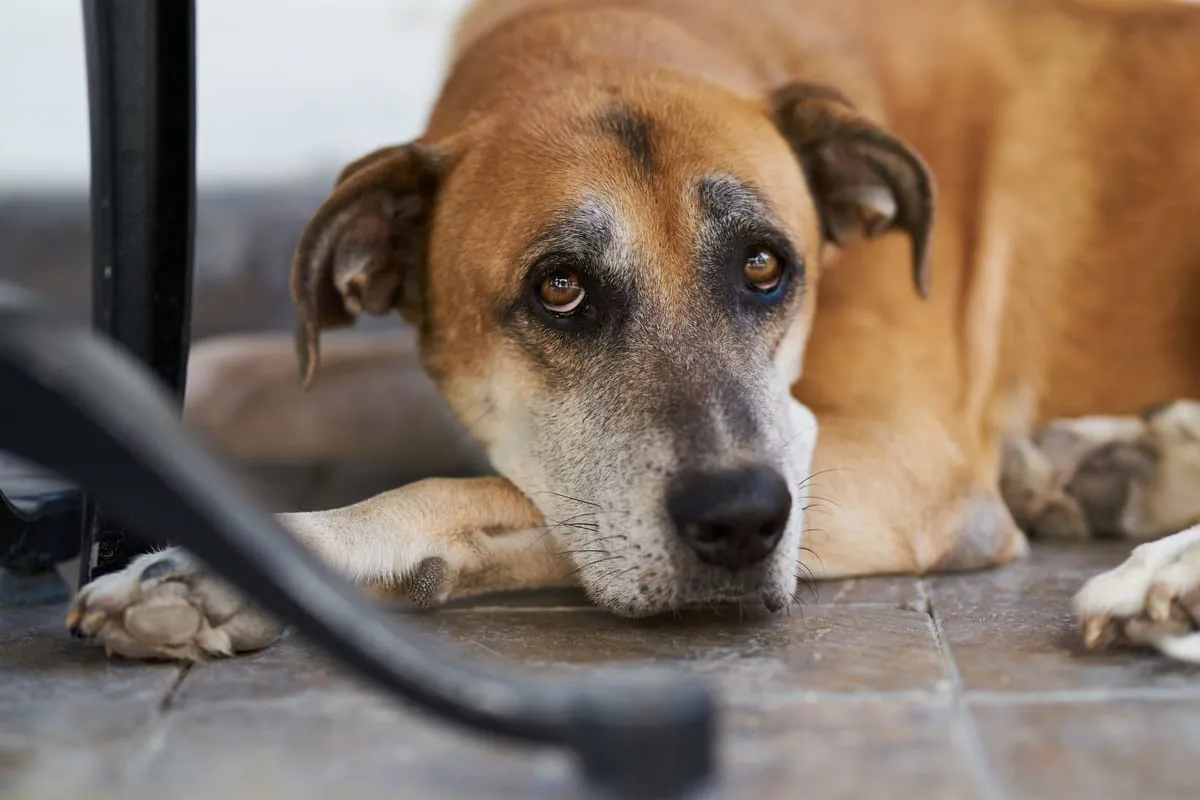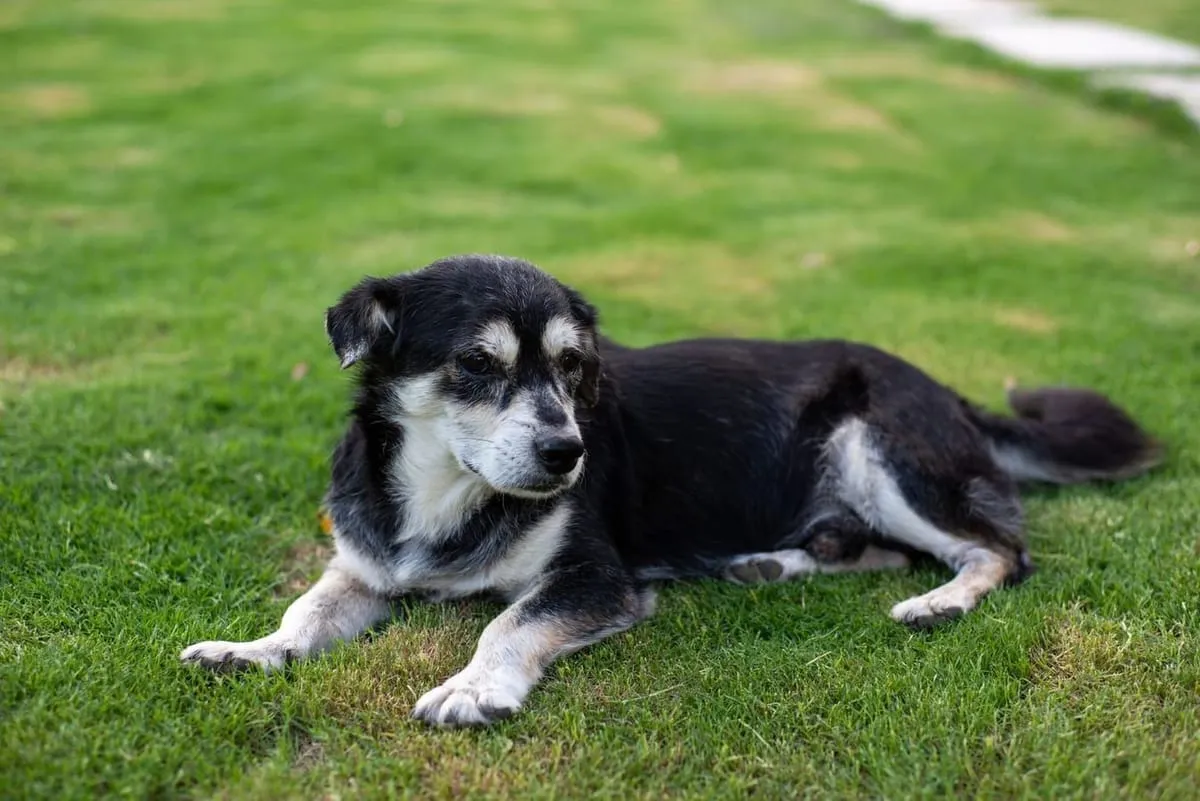
Watching a dog grow old is bittersweet, and it often creeps up quietly: a little more grey around the muzzle, a slower start in the mornings, a reluctance at the stairs that was not there last year. The good news is that a senior dog does not need its whole life turned upside down. It needs a handful of sensible adjustments and a closer eye, so that the aches and changes of ageing are spotted and eased rather than left to build. Get those right and the later years can be some of the most contented of a dog’s life. Here is what to focus on as your dog gets older.
See more of your vet, not less
The single most valuable change you can make for an ageing dog is to see your vet more often, because old dogs go downhill faster and hide it better.
Move from a yearly check to a check every six months, since a lot can change in a dog’s body in twelve months, and conditions common in older dogs, dental disease, arthritis, kidney and heart changes, lumps and bumps, are far easier to manage caught early. Your vet may suggest the odd blood or urine test to pick up organ changes before they cause obvious symptoms. Just as important is what you do between visits: you know your dog’s normal, so a change in how much it drinks, what it eats, its weight, its toileting, or its energy is worth a call rather than a wait. Many of the illnesses of old age are manageable, sometimes for years, when they are found early, so the point of all this is not to fuss but to catch things in time.
Weight, food, and keeping the body working
Diet and weight quietly become one of the biggest levers on an older dog’s comfort and lifespan, so they are worth getting right.
As dogs age and slow down they usually need fewer calories, and carrying extra weight is hard on ageing joints and organs, so keeping your senior dog lean is one of the kindest things you can do, and our overweight check shows you how to judge it. That said, ageing is not one-size-fits-all: some older dogs lose weight and muscle and need help holding their condition instead. Many senior diets are formulated to be easier to digest and to support joints, but the right choice depends on your particular dog, its teeth, its weight, and any medical conditions, which is a conversation to have with your vet rather than a guess off the shelf. Whatever you feed, our dog food calculator helps you get the portion right for a less active dog. Keeping the body moving matters too: gentle, regular exercise suits stiff joints far better than the occasional big walk, and keeping the mind busy with sniffing, gentle games, and training helps hold off the mental fog that can come with age.
Comfort, at home and underfoot
Beyond the vet and the food bowl, a lot of good senior care is simply making the everyday easier on an older body.
A supportive, easy-to-reach bed in a warm, draught-free spot helps aching joints, and older dogs feel the cold more, so a little extra warmth is kind. Slippery hard floors are a real hazard for a stiff or wobbly dog, so rugs and runners to give grip make a genuine difference, and a ramp or a lift into the car and up steps saves joints from the jarring of jumping. Keep on top of grooming and nails, which often need more attention as a dog moves about less and its nails wear down less, as our guides to grooming your dog at home and clipping your dog’s nails cover. And if your dog starts to seem confused, restless at night, or forgetful, mention it to your vet, because canine cognitive decline is real, and there are diets, supplements, and routines that can help.
The bottom line is that caring for a senior dog is less about grand changes than attentive ones: see the vet twice a year, take every “just old age” sign seriously, keep your dog lean and gently active, and make home comfortable for an older body. Do that, and you give your dog the best shot at later years that are not just longer but genuinely comfortable and happy, which is all any of us want for a dog that has spent its life beside us.
Common questions
- At what age is a dog considered senior?
- It depends mostly on size, because bigger dogs age faster. Giant breeds are often senior by six or seven, large breeds around seven or eight, and small breeds not until ten or eleven. As a rough guide, most dogs enter their senior years in the last quarter or so of their expected lifespan. Rather than fixate on a birthday, watch for the signs of ageing such as greying, slowing down, and stiffness, and start adapting care when you see them.
- How often should a senior dog see the vet?
- Twice a year rather than once. Older dogs develop problems faster and hide them well, so a six-monthly check lets your vet catch things like dental disease, arthritis, kidney or heart changes, and lumps while they are easier to manage. Your vet may suggest occasional blood tests to spot organ changes early. Between visits, tell your vet promptly about any change in drinking, appetite, weight, toileting, or energy rather than waiting for the next appointment.
- Should I change my senior dog's food?
- Often yes, but the goal is the right food for your individual dog, not simply a bag labelled senior. Older dogs usually need fewer calories as they slow down, so keeping them lean matters more than ever, but some lose weight and muscle and need help holding condition. Many senior diets are easier to digest and support joints. Any diet change should suit your dog's weight, teeth, and any medical conditions, so it is worth asking your vet rather than guessing.
- How can I keep my old dog comfortable?
- Small changes make a big difference. Give a supportive, easy-to-reach bed away from draughts, provide traction on slippery floors with rugs or runners, and use ramps or a helping hand for cars and steps so stiff joints are not jarred. Keep walks gentle and regular rather than long and occasional, keep the mind active with sniffing and gentle play, and stay on top of nails, which grow longer when a dog moves less. Above all, treat any sign of pain as something to raise with your vet, since a lot of age-related discomfort can be eased.