Finding a mess in the garden or on a walk is not most people’s favorite part of dog ownership, but it happens to almost every dog at some point, and most of the time it is not a crisis. Diarrhea is one of the most common reasons dogs end up at the vet, yet the majority of cases clear up on their own within a day or two with nothing more than a bit of dietary care. The trick is knowing which cases are the ordinary kind and which ones need more than patience.
What usually causes it
Dietary indiscretion is the single biggest cause, and it covers a lot of ground: raiding the bin, eating something dead or rotten on a walk, wolfing down a rich table scrap, or simply getting a new treat that does not sit well. Dogs explore the world with their mouths, and a stomach that has to process whatever they found tends to react the same way regardless of what the object actually was.
A sudden change of food is another common trigger, which is why any switch, even to a better-quality food, should happen gradually over a week or so rather than overnight. Stress plays a role too, a kennel stay, a house move, new visitors, or a change in routine can unsettle a dog’s gut just as it can a person’s. Less commonly, intestinal parasites, a viral or bacterial infection, or an underlying condition are behind it, which is more likely if diarrhea keeps returning rather than clearing up after one bad day.
Ordinary versus something more
One or two soft stools in a dog that is still bright, still eating, still keen for a walk, and drinking normally is usually the ordinary kind, the digestive equivalent of a bad day. It is worth watching rather than panicking about.
The picture changes when diarrhea keeps coming, when it is watery rather than just soft, or when it shows up alongside other symptoms. Vomiting, lethargy, a dog that seems genuinely unwell rather than just inconvenienced, or a puppy, senior, or small-breed dog affected at all, all move diarrhea from “wait and see” into “worth acting on sooner.”
What actually helps at home
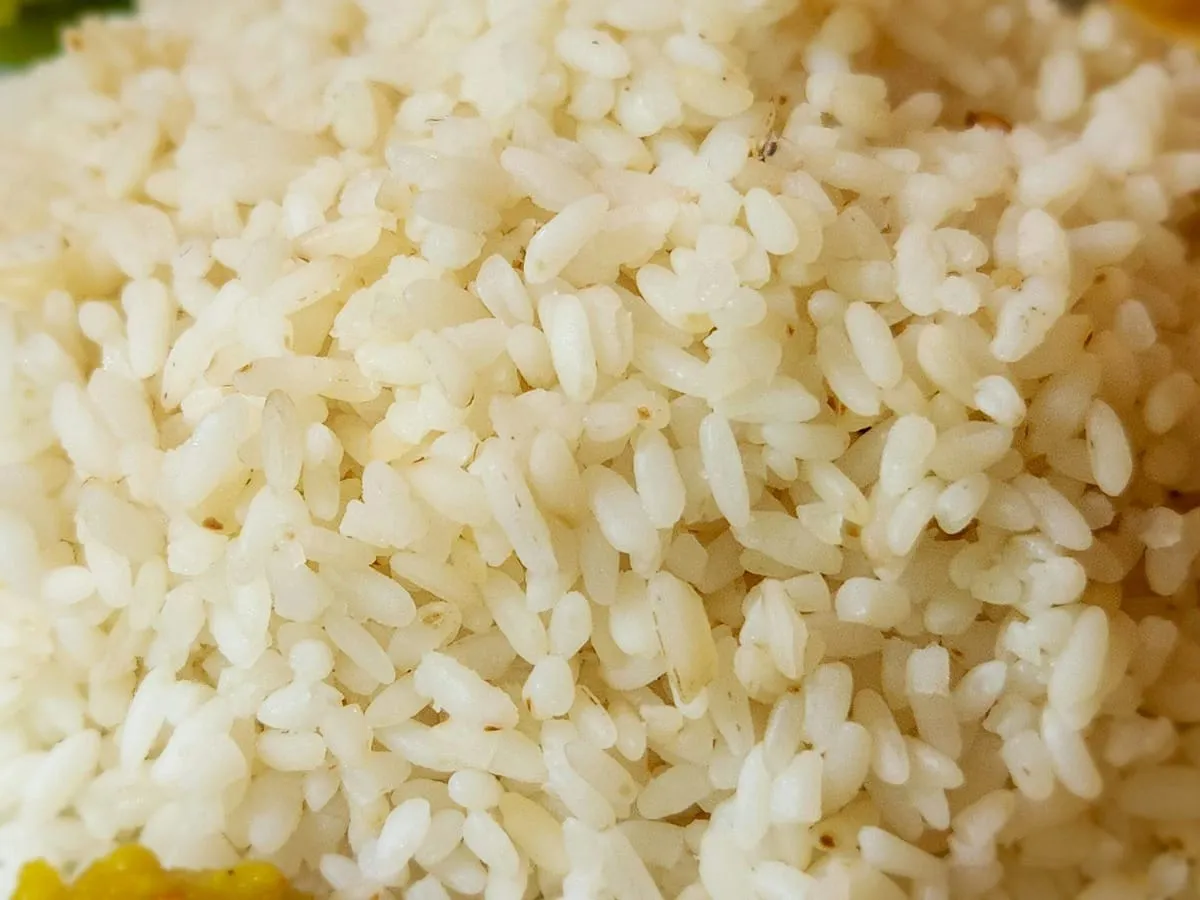
For an otherwise bright adult dog, the current advice from most vets favors a bland diet over withholding food entirely. Plain boiled chicken (no skin, no seasoning) with plain boiled white rice, fed in small portions several times a day rather than one large meal, is gentle on a recovering gut and easier to digest than regular food. Keep your dog on it for a day or two after stools return to normal before switching back to their usual food, and make that switch gradual rather than sudden.
A spoonful of plain pumpkin stirred into a meal is a simple, genuinely useful addition many vets mention, since the fiber helps firm up loose stools without needing anything more elaborate. Our pumpkin digestion supplement is the shelf-stable version of the same idea for when fresh is not practical. A veterinary probiotic can also help settle things, particularly if the diarrhea followed a course of antibiotics or a change of food, since it is helping restore the gut bacteria that keep digestion steady.
Puppies are the exception to any wait-and-see approach. They should not be fasted, since their blood sugar can drop quickly, and diarrhea in a young puppy is worth a same-day call to your vet rather than a couple of days of home management, simply because they have so much less reserve than an adult dog.
Foods and toxins worth ruling out
Some causes of sudden diarrhea are genuinely dangerous rather than just unpleasant, which is why it is worth thinking about what your dog might have had access to. Grapes and raisins can cause kidney failure in dogs, and diarrhea alongside vomiting and lethargy after a dog got into either is an emergency, not a wait-and-see situation. Xylitol, found in a lot of sugar-free gum and some peanut butters, is another one worth knowing the signs of, since it acts fast and diarrhea is often one of the early symptoms. If there is any chance your dog got into something like this, call your vet or a pet poison hotline straight away rather than waiting to see how the diarrhea develops.
When to call the vet
Call the same day for blood in the stool, black or tar-colored stool, repeated vomiting, a swollen or tender belly, lethargy, or any diarrhea in a puppy, senior dog, or dog with an existing health condition. Call if diarrhea in an otherwise healthy adult dog has not improved after 24 to 48 hours on a bland diet, or if it comes back repeatedly over a couple of weeks even when each individual bout seems mild. Outside of those situations, a single bout of loose stool in a bright, otherwise normal dog is usually just a bad day, and a bland diet and a bit of patience is often all it takes to get back to normal.
Common questions
- Why does my dog have diarrhea all of a sudden?
- The most common cause by far is dietary indiscretion, a polite way of saying your dog ate something it should not have, whether that is food scraps, something found on a walk, or a new treat that did not agree with it. A sudden switch to a new food, stress from a change in routine, or a mild stomach bug can all do the same thing. Parasites and infections are less common but worth ruling out if loose stools keep coming back.
- Should I withhold food from a dog with diarrhea?
- Current vet guidance generally favors a bland diet over fasting for adult dogs, small, frequent meals of plain boiled chicken and rice rather than an empty stomach, since fasting can actually slow gut recovery. Puppies should not be fasted at all, since they can drop blood sugar quickly. If you are unsure what is right for your dog, a quick call to your vet is worth it.
- When should I take my dog to the vet for diarrhea?
- See a vet the same day for blood in the stool, black or tar-like stool, repeated vomiting, lethargy, a swollen belly, or diarrhea in a puppy, senior, or dog with an existing health condition. For an otherwise bright adult dog with ordinary loose stools and no other symptoms, it is reasonable to try a bland diet for 24 to 48 hours first, and call the vet if it has not improved by then.
- Can I give my dog anything to firm up their stool at home?
- A spoonful of plain canned pumpkin over food is a genuinely useful, vet-mentioned home step for mild cases, since the fiber helps firm loose stools. A veterinary probiotic can help too, particularly after a course of antibiotics or a diet change. Neither replaces a vet visit if diarrhea is severe, bloody, or does not clear up within a day or two.