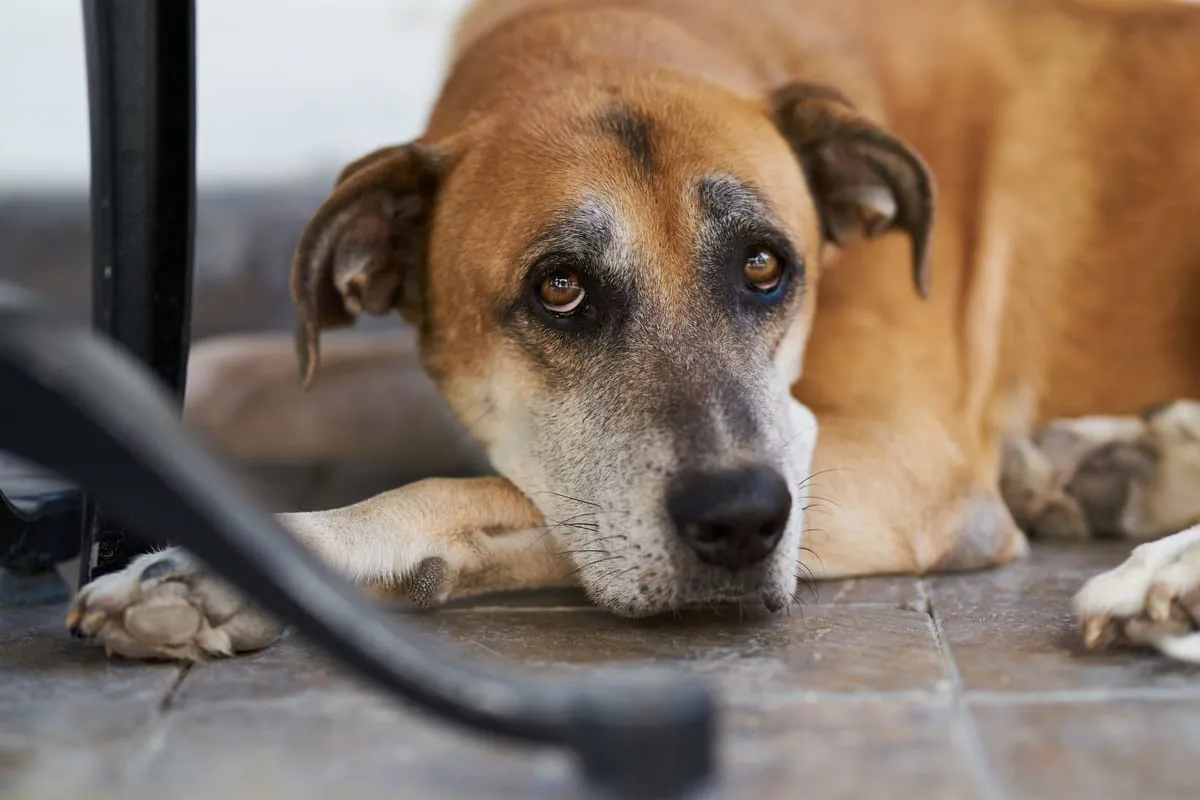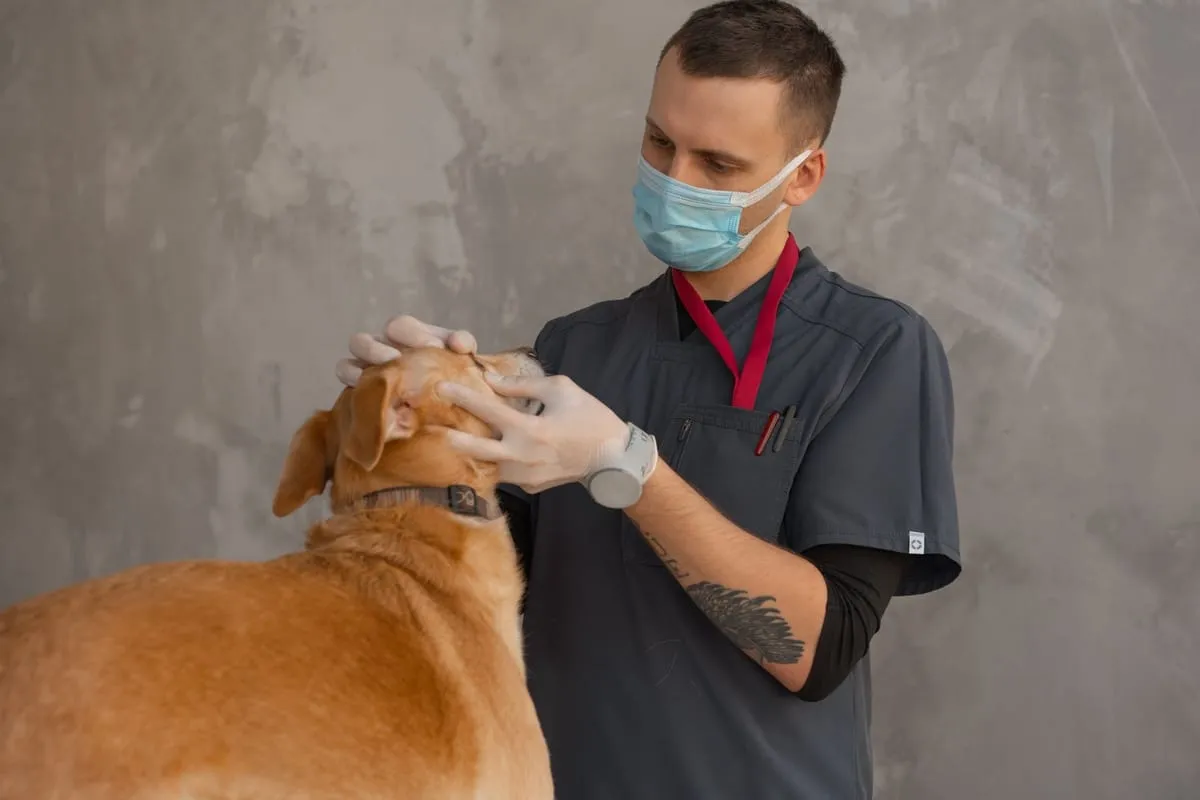
A dog suddenly scratching at one ear, shaking their head more than usual, or tilting it at an odd angle is one of the more common reasons owners end up googling at ten at night. Ear infections are genuinely one of the most frequent problems vets see in dogs, and the earlier you catch one, the easier and cheaper it usually is to sort out. Here is what to actually look and smell for, and when it is worth moving past home care.
The early signs
Head shaking is usually the first thing owners notice, a dog flapping their ears or shaking their whole head more than the odd post-nap stretch. Scratching at the ear, or rubbing the side of their head against furniture, carpet, or your leg, tends to follow. Some dogs tilt their head slightly to one side, favoring the sore ear, even when nothing else looks obviously wrong yet.
Smell is one of the most reliable early clues and it often shows up before anything visible does. A healthy dog ear should not smell like much of anything. A yeasty, musty, or slightly sour smell coming from the ear is worth taking seriously even if the ear still looks normal, since infections often start developing before redness or discharge become obvious.
What causes it
Most dog ear infections come down to a warm, moist ear canal turning into a place bacteria or yeast can multiply. Floppy ears trap heat and humidity against the skin, which is why breeds like Cocker Spaniels, Basset Hounds, and Labradors show up so often in vet clinics for ear problems. Swimming or frequent bathing without drying the ears properly afterward has the same effect regardless of ear shape.
Allergies are a major underlying driver, whether to food or something environmental like pollen or dust mites, and they are the reason some dogs get ear infections over and over rather than as a one-off. Excess hair inside the ear canal, common in Poodles and poodle mixes, can trap moisture and debris the same way. Ear mites, foreign bodies like a grass seed, and less commonly a polyp or growth can also trigger the same symptoms, which is part of why a proper look inside the ear canal by a vet matters more than guessing from the outside.
What actually helps
For a dog with genuinely healthy ears, a routine wipe with a vet-approved ear cleaner after swimming or bathing is a reasonable preventive step, and it also flushes out the kind of everyday debris that can tip a borderline ear into an infected one. It is not a treatment for an ear that is already inflamed or infected, and using a cleaner on a genuinely sore, raw ear can sting and make a dog head-shy about future ear care.
Once symptoms are present, a proper diagnosis matters more than any product, because bacterial, yeast, and mixed infections are treated with different medications, and using the wrong one, or stopping treatment early because things look better, is one of the most common reasons infections come back. Your vet will usually take a quick swab to check what they are dealing with before prescribing drops.
When to see a vet
Book a visit for head shaking or scratching that lasts more than a day or two, any smell or discharge from the ear, visible redness or swelling, or a dog that seems bothered when you touch their ear. Treat a hard head tilt, loss of balance, or unusual eye movement as same-day, since these suggest the infection may have reached the middle or inner ear. Dogs that get repeated infections are worth a proper conversation with your vet about the underlying cause, rather than another round of drops for the same problem a few months from now.
Common questions
- What does a dog ear infection smell like?
- Most owners describe it as a sharp, yeasty, or musty smell, sometimes compared to old cheese or damp socks. A healthy ear should not have a noticeable odor, so any new smell coming from your dog's ear is worth investigating even before you see redness or discharge.
- Can I treat my dog's ear infection at home?
- A mild, early case in a dog with no history of ear problems might respond to a vet-approved ear cleaner, but ear infections usually need a proper diagnosis, since bacterial, yeast, and mixed infections are treated differently and the wrong product can make things worse. If your dog is scratching, shaking their head, or the ear smells off, it is worth a vet visit rather than guessing.
- Why does my dog keep getting ear infections?
- Repeated infections usually point to an underlying cause rather than bad luck, commonly allergies (food or environmental), excess moisture from swimming or bathing, or ear shape and hair growth in certain breeds. A vet who keeps seeing the same dog for ear infections will usually start investigating what is driving them, rather than just treating each flare-up in isolation.
- Which dog breeds get ear infections most often?
- Breeds with floppy ears that trap warmth and moisture, like Cocker Spaniels, Basset Hounds, and Labradors, are more prone, as are breeds with hairy ear canals like Poodles and their mixes. Dogs that swim regularly are also at higher risk, whatever their ear shape, since trapped water creates the same warm, damp environment infections thrive in.