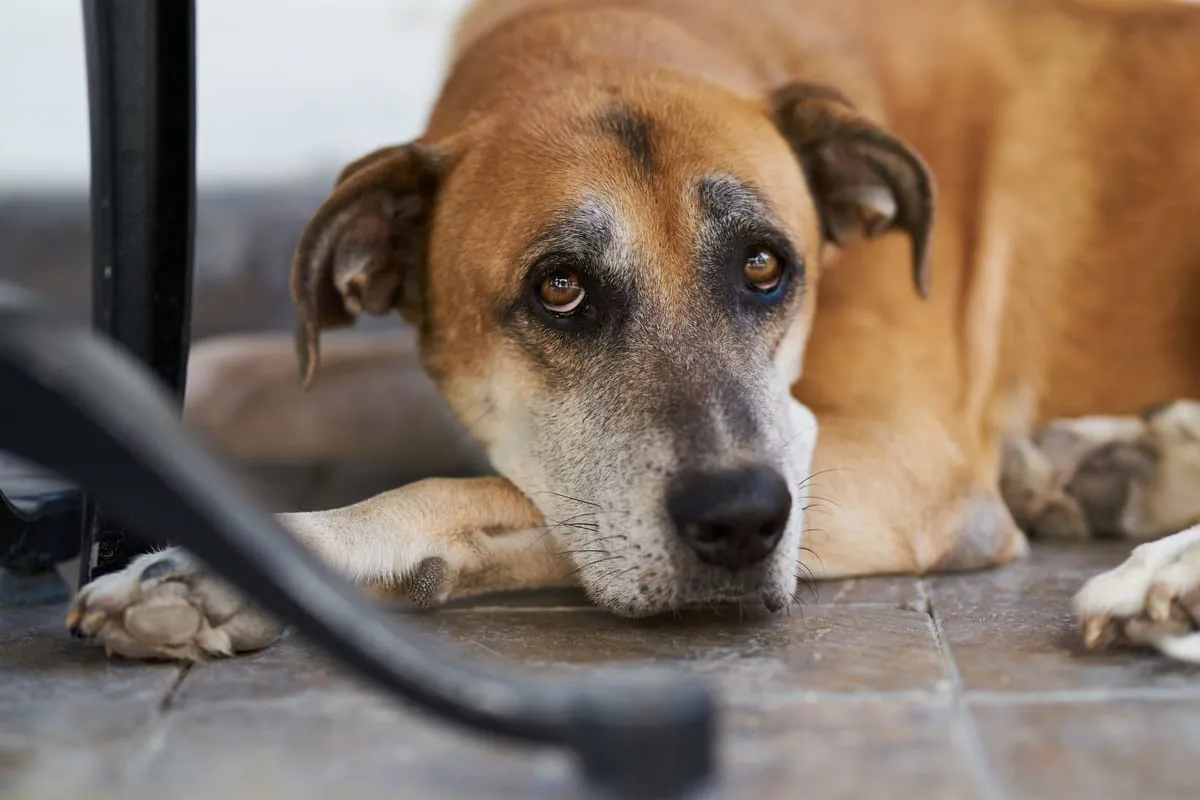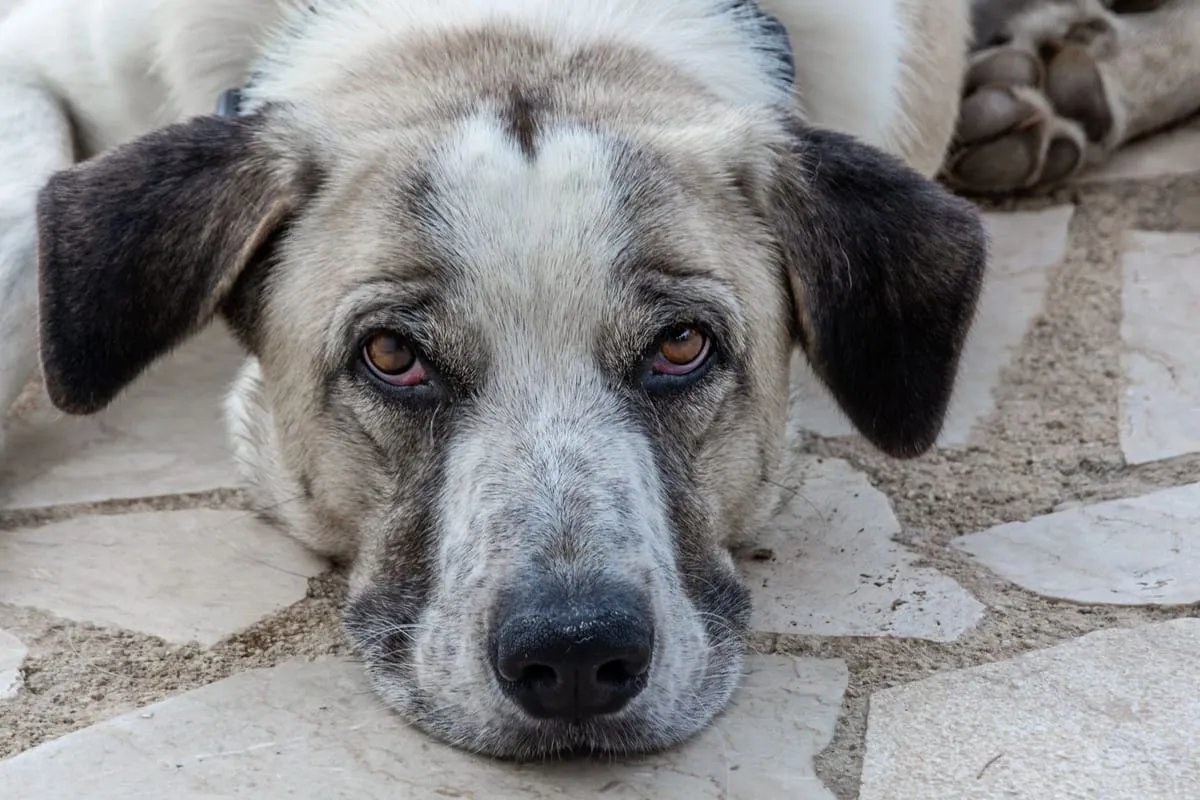
Dogs are remarkably good at hiding when they hurt. It is an instinct left over from a time when showing weakness made an animal a target, and it means that by the time a dog is obviously limping or crying out, the problem behind it is often well advanced. Most canine pain announces itself far more quietly, as small changes in how a dog behaves, moves, and goes about its day. Learning to read those signals is one of the most useful things you can do for your dog, because pain caught early is very often pain that can be treated. Here is what to look for.
The behaviour changes that matter most
Pain tends to change a dog’s personality before it changes its walk.
A dog that is hurting often becomes quieter and more withdrawn, hanging back from things it used to enjoy, or the opposite, unable to settle and shifting position over and over trying to get comfortable. You might notice a normally cheerful dog turning grumpy or short-tempered, especially when touched in a particular spot, or a sociable one taking itself off to be alone. Sleep often changes too, either more of it or a restless, broken night. None of these on their own proves pain, but a clear shift away from your dog’s normal character is one of the earliest and most reliable warnings that something is wrong.
Changes in how your dog moves
The physical tells usually come next, and they are easy to miss if you are not watching for them.
Look for stiffness getting up after rest that eases once the dog is warmed up, a reluctance to do stairs, jumps, or the leap into the car that used to be nothing, and a slowing or shortening of walks. Some sore dogs limp, but many spread the load instead, so watch for a dog that sits down oddly, stands with a hunched or roached back, holds its head low, or seems to place its weight unevenly. A dog that has started lying down more, or picking its spots carefully, is often telling you that moving hurts.
The subtler tells owners miss
Beyond mood and movement, pain leaks out in a handful of small signs that are worth knowing.
Repeated licking or chewing at one spot, a joint or a paw, often marks where it hurts. Panting when the dog is not hot or excited, trembling, or a tight, tense face with the ears held back can all signal discomfort. Many sore dogs go off their food a little, change how they drink, or become touchy about being handled, brushed, or picked up. A dog that flinches, pulls away, or turns its head sharply when you touch a particular area is giving you a clear clue. Taken together, these quiet signals often say more than a dramatic yelp ever does.
What to do when you spot the signs
Once you suspect your dog is in pain, the aim is to get it looked at rather than to work out the cause yourself.
Make a note of what you are seeing, when it happens, and what seems to trigger it, and film a short clip on your phone if the sign comes and goes, since that is far more useful to your vet than a description from memory. Do not fall into waiting to see if it settles, because a dog that has started to show pain has usually been coping quietly for a while already. Book a vet appointment and describe the changes plainly. If the pain looks sudden and severe, if your dog cannot bear weight on a leg, cries out, has a tense or swollen belly, or seems distressed, treat it as urgent and call straight away.
Much of the discomfort that shows up as a dog ages comes down to sore joints, so it is worth reading our guides on caring for a senior dog and helping a dog with arthritis. Keeping your dog lean takes a real load off painful joints too, and our overweight check shows you how to judge its condition. The thread running through all of it is simple: your dog will not tell you in words, so it pays to notice the quiet signs and act on them.
Common questions
- How can I tell if my dog is in pain or just getting old?
- You often cannot tell them apart at home, and that is exactly why a lot of treatable pain gets written off as ageing. Slowing down, stiffness, reluctance to jump, and new grumpiness are all things owners shrug off as old age, yet each can be a sign of arthritis, dental pain, or another problem your vet can ease. Ageing itself is not painful. If your older dog has changed how it moves or behaves, treat that as a reason to get it checked rather than something to accept.
- Can I give my dog human painkillers for pain?
- No. Human painkillers such as ibuprofen, aspirin, and paracetamol (acetaminophen) are dangerous to dogs and can cause serious harm or death even in small doses. Never give them, and never share another pet's prescribed medication either. If your dog is sore, the safe route is a vet, who can prescribe pain relief that is made for dogs and dosed to its weight and health.
- Do dogs cry or whimper when they are in pain?
- Some do, but many do not, which is what makes pain easy to miss. Dogs are wired to hide weakness, so most canine pain shows first as quiet changes such as reluctance to move, restlessness, a drop in appetite, or a shift in mood rather than obvious crying. By the time a dog is yelping or clearly limping, the problem is often well established. Watch behaviour and movement, not just noise.
- Should I exercise a dog that seems sore?
- Keep it gentle and get advice rather than either pushing on or stopping altogether. A sore dog usually does better with short, regular, low-impact walks than with rest followed by a long outing that flares things up. But soreness is a reason to see your vet, because the right amount and type of exercise depends on the cause, and forcing a painful dog to keep up can make an injury or joint problem worse.