Heatstroke is one of the few genuine drop-everything emergencies in dog ownership, and the frustrating thing, as a vet nurse will tell you through gritted teeth every July, is that nearly every case is preventable. Dogs cannot sweat the way we do. Panting is their main cooling system, and once the heat coming in outpaces what panting can shed, their core temperature climbs fast and starts damaging organs. The difference between a scare and a tragedy is almost always how early the owner noticed and how fast they acted, so this guide is about exactly that.
The early signs, when you can still fix this
The first stage looks like a dog that is simply too hot, and this is the moment to act, not watch.
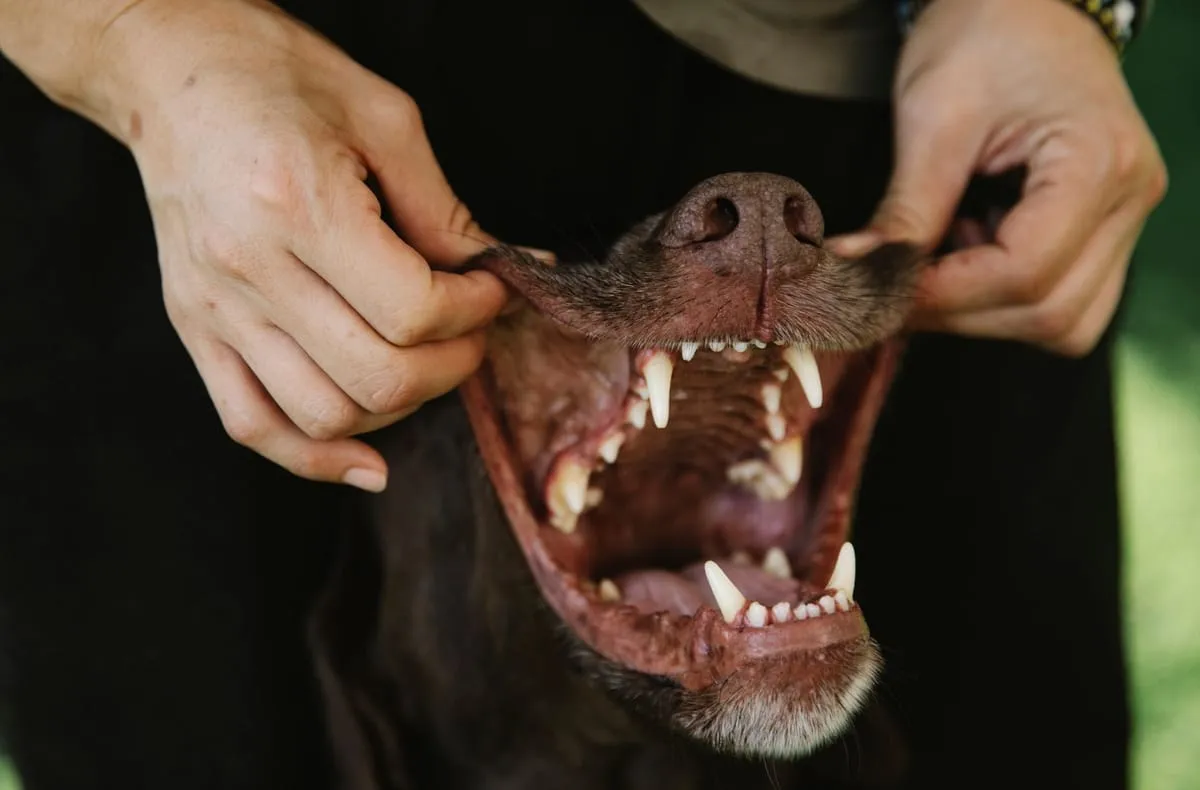
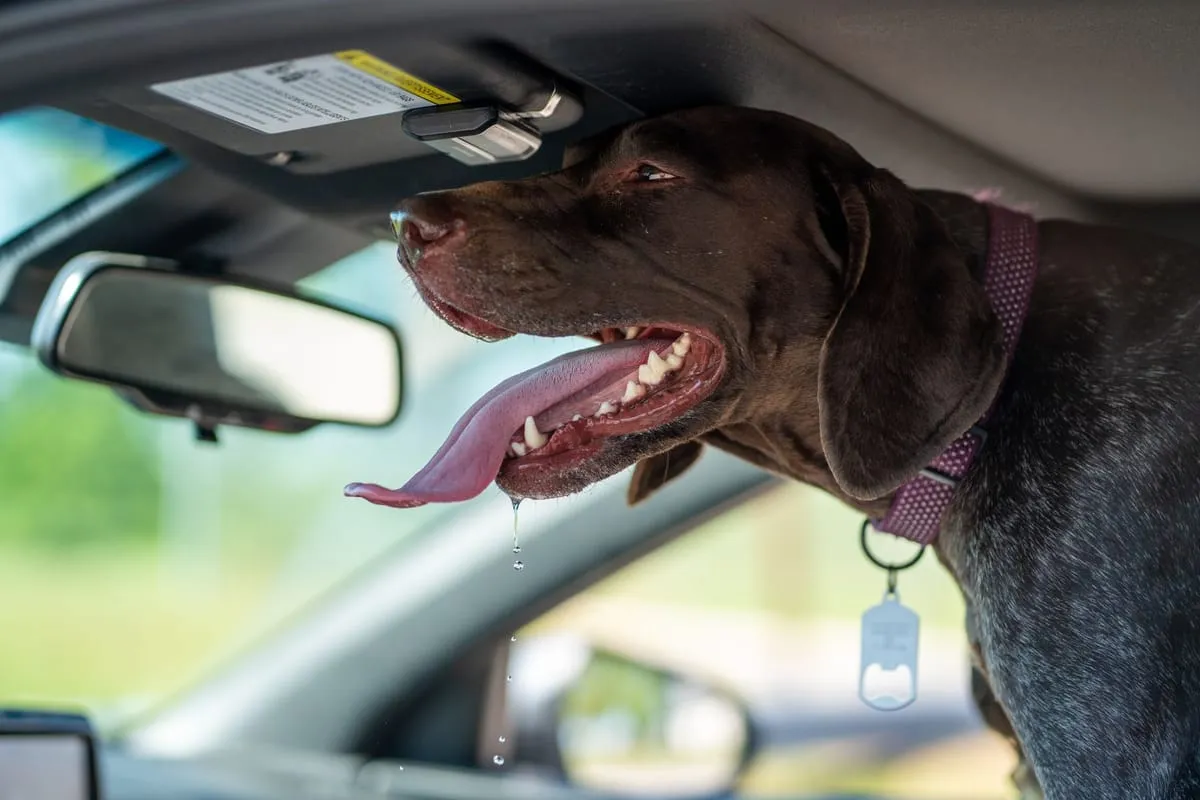
Heavy, relentless panting that does not settle when the dog rests is the headline sign. Alongside it you may see a tongue that looks wider and longer than usual, bright red or very dark gums, thick ropey drool, and a dog that starts seeking shade, slowing down, or lagging on the lead. Some dogs get restless and anxious instead. If you see this picture on a warm day, stop the exercise immediately, get the dog into shade, offer water, and start cooling. Caught here, most dogs recover well.
The serious signs, this is an emergency
If cooling does not start, the picture changes within minutes, and every one of these signs means you are now in emergency territory.
Wobbliness or drunken walking, vomiting or diarrhoea, gums turning pale, blue-tinged, or bruised-looking, confusion, collapse, and seizures all point to a dog whose organs are being cooked. A dog at this stage may stop panting altogether, which owners sometimes misread as improvement. It is the opposite.
What to do, in order
The modern advice is simple to remember: cool first, transport second.
Move the dog out of the sun, then get cool or cold water onto as much of the body as you can. A hose, a shower, a paddling pool, or repeatedly poured buckets all work, and for a conscious adult dog, immersing the body with the head kept well clear is the fastest option of all. Keep air moving over wet fur if you can, since evaporation does much of the work. Offer small amounts of water to drink but never force it. Skip the old myths: do not drape the dog in wet towels and leave them (trapped warm towels slow cooling down), and do not waste minutes hunting for lukewarm water because someone once said cold water causes shock. Then get to the vet, even if your dog seems to bounce back, because the internal effects of overheating can surface hours later.
Preventing the next one
Prevention is mostly about respecting the conditions rather than the calendar.
Shift walks to early morning and evening in summer, and check our guide on whether it is too hot to walk your dog for the road-surface test and temperature guidance. Go gently with ball launchers and running games in warm weather, since drive-y dogs will run themselves into trouble long before they choose to stop. Make shade and fresh water non-negotiable in the garden, never leave a dog in a parked car, and be extra conservative if your dog is flat-faced, carrying extra weight, or getting on in years. One scary afternoon is all it takes to make a heat-cautious owner. Better to become one without the afternoon.
Common questions
- How quickly does heatstroke develop in dogs?
- Faster than most owners expect. A dog can go from happy to dangerously overheated in well under an hour, and in a hot car it can take minutes. The danger window is widest during exercise in warm weather, because a running dog generates huge amounts of internal heat on top of the air temperature. This is why so many cases happen on walks and ball chases that felt fine to the human involved.
- What temperature is dangerous for dogs?
- There is no single safe number, because humidity, exercise, coat, and the individual dog matter as much as the reading. Plenty of heatstroke cases happen on days in the low twenties Celsius (low seventies Fahrenheit) when the dog was running hard. As a rule of thumb, treat anything warm and humid as a risk during exercise, and reserve strenuous play for early morning or evening in summer.
- Which dogs are most at risk of heatstroke?
- Flat-faced breeds such as French Bulldogs, Pugs, and Bulldogs top the list, because their airways make panting far less effective. Overweight dogs, seniors, puppies, dogs with thick or dark coats, and dogs with heart or breathing problems are also at higher risk. If your dog is in any of these groups, its safe window in warm weather is much smaller than average.
- Should I use cold water on a dog with heatstroke?
- Yes. The old advice to use only tepid water has been overtaken. For a conscious adult dog that is dangerously hot, cool running water over the body, or immersion of the body in cool water with the head kept clear, brings the temperature down fastest, and getting the temperature down quickly is what saves lives. Avoid forcing an unconscious dog's face near water, keep cooling on the way to the vet if you can, and always call the vet even if your dog seems to recover.