Every summer, dogs die from heat that their owners did not think was dangerous, often on a walk that felt fine to a person in shorts and a t-shirt. Dogs cannot cool themselves the way we do, they rely mostly on panting, and they are wearing a coat, so a temperature that is pleasant to you can be genuinely risky to them. The good news is that heat problems are almost entirely preventable once you know how to judge the conditions. So here is a clear guide to when it is too hot to walk your dog, the quick checks to do first, and the warning signs that mean you need a vet fast.
Before the guide, the honest note: I am a writer, not a vet, dogs vary a great deal, and if you ever suspect heatstroke the answer is always to call your vet immediately rather than to look things up.
A rough temperature guide
Temperature is the obvious starting point, though it is not the whole story. As a general guide for walking:
| Temperature | For most dogs |
|---|---|
| Up to 19C | Generally safe, enjoy the walk |
| 20 to 23C | Fine for most, take care with high-risk dogs |
| 24 to 27C | Rising risk, avoid strenuous exercise, keep it short and shaded |
| 28 to 31C | High risk, best to skip the walk in the heat |
| 32C and above | Dangerous, do not walk, keep the dog cool indoors |
Treat these as guidelines, not guarantees. Humidity makes heat far more dangerous because it stops panting working well, direct sun is hotter than shade, and the individual dog matters enormously, so the bands shift lower for the dogs described next.
Do the pavement test first
Air temperature is only half of it, because the ground can be far hotter, and hot pavements burn paws.
Before any warm-weather walk, do the seven-second test: press the back of your hand flat on the pavement and hold it there for seven seconds. If it is too hot for your hand, it is too hot for your dog’s paws, which can suffer painful burns on hot tarmac. Pavements and roads absorb heat all day and stay hot well into the evening, long after the air has started to cool, so a late walk is not automatically safe underfoot. If the ground fails the test, wait, or stick to grass and shade.
Walk early or late, or not at all
Timing solves most hot-weather walking problems, and skipping a walk is always an option.
On warm days, walk in the early morning and late evening when both the air and the ground are coolest, and avoid the middle of the day completely. On genuinely hot days, the safest choice is simply not to walk in the heat at all, and to give your dog gentle indoor activity, enrichment, or a play session in the cool instead. It is worth saying plainly: a missed walk does a dog no harm whatsoever, while heatstroke can kill one. Do not let a sense of routine, or a dog’s enthusiasm, push you into a dangerous walk. Always take water on warm walks, keep them short and shaded, and let your dog set the pace.
Know the signs of heatstroke
This is the part that saves lives, because heatstroke is an emergency and minutes matter.
The bottom line is that hot-weather walking is a judgement call you can make well once you know what to look for. Check the temperature against the guide, do the pavement test, walk early or late or not at all, and be far more cautious with flat-faced, large, old, overweight, or thick-coated dogs. Keeping your dog a healthy weight helps it cope with heat too, which our guide on telling if your dog is overweight can help with. Get those right and you keep the summer a pleasure rather than a risk, and you keep your dog safe on the days when the kindest walk is no walk at all.
Common questions
- What temperature is too hot to walk a dog?
- As a rough guide, most dogs are fine up to around 19C, need care from about 20 to 23C, and are at real risk from 24C upward, with anything above about 28C dangerous for many dogs and unsafe for high-risk ones like flat-faced, large, old, or overweight dogs. These are guidelines, not guarantees, since humidity, sun, and the individual dog all matter, so always judge the dog in front of you too.
- How do I know if the pavement is too hot for my dog?
- Use the seven-second test. Press the back of your hand flat against the pavement for seven seconds. If it is too hot to hold there comfortably, it is too hot for your dog's paws, which can burn on hot ground. Tarmac and pavements get far hotter than the air and stay hot into the evening, so test before you set off.
- What are the signs of heatstroke in a dog?
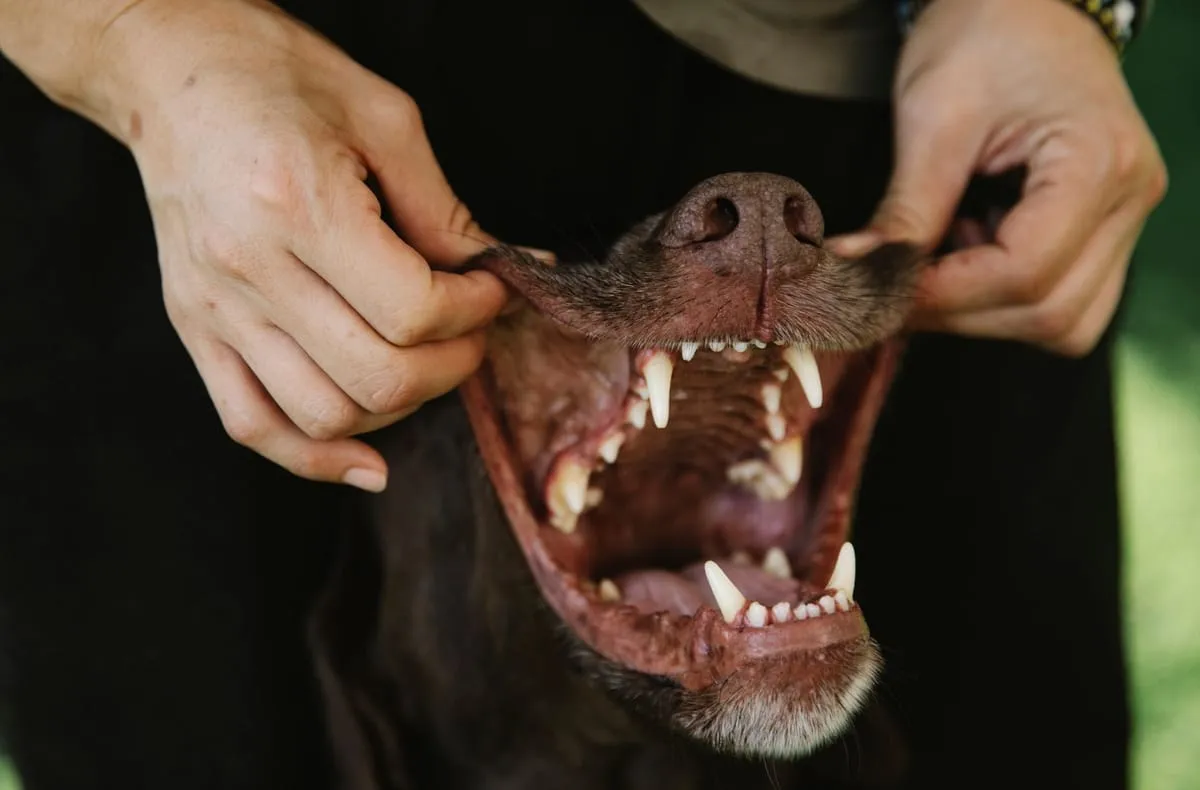
- Watch for heavy, frantic panting, excessive drooling, bright red gums, lethargy or wobbliness, vomiting or diarrhoea, and in severe cases collapse. Heatstroke is a life-threatening emergency. Move the dog to shade, offer small amounts of water, start cooling it gradually with cool (not ice-cold) water, and call your vet immediately.
- When is the best time to walk a dog in hot weather?
- Early morning and late evening, when the air and the ground are coolest, and avoid the middle of the day entirely in hot spells. On very hot days it is better to skip the walk and provide gentle indoor activity and enrichment instead. A missed walk never hurt a dog, but heatstroke can kill one.