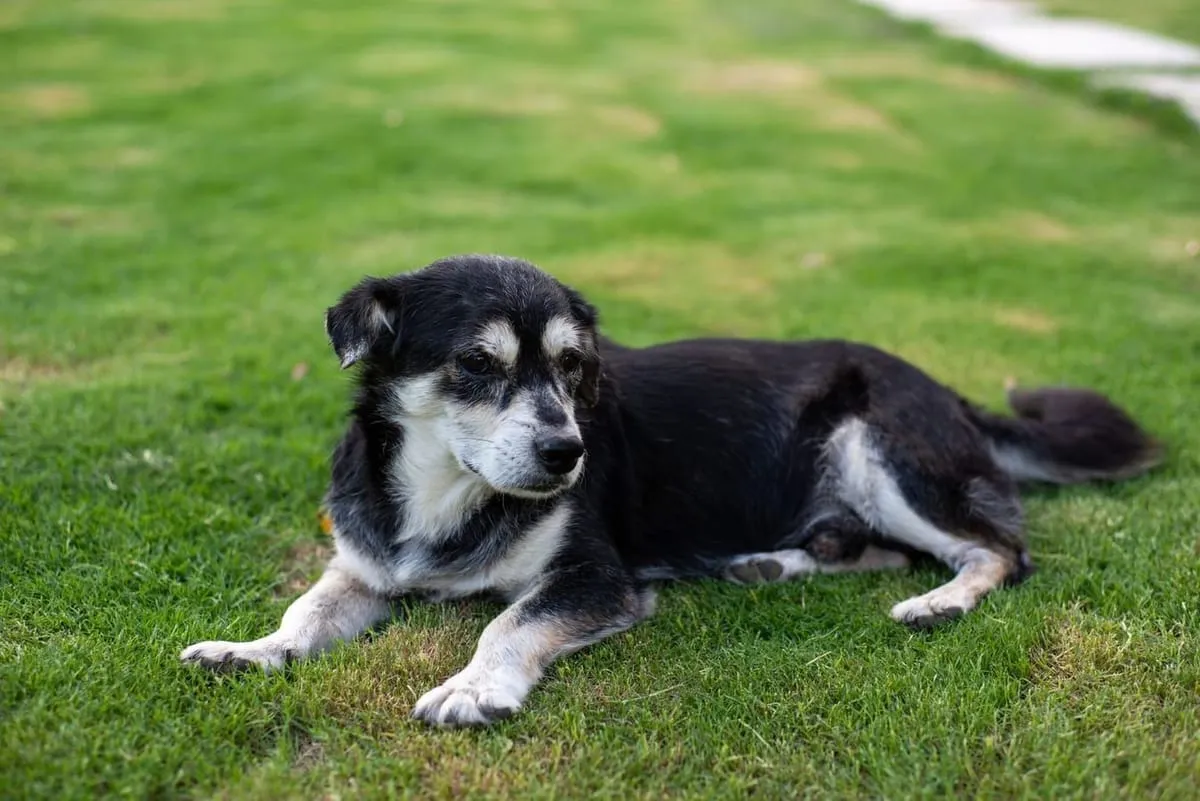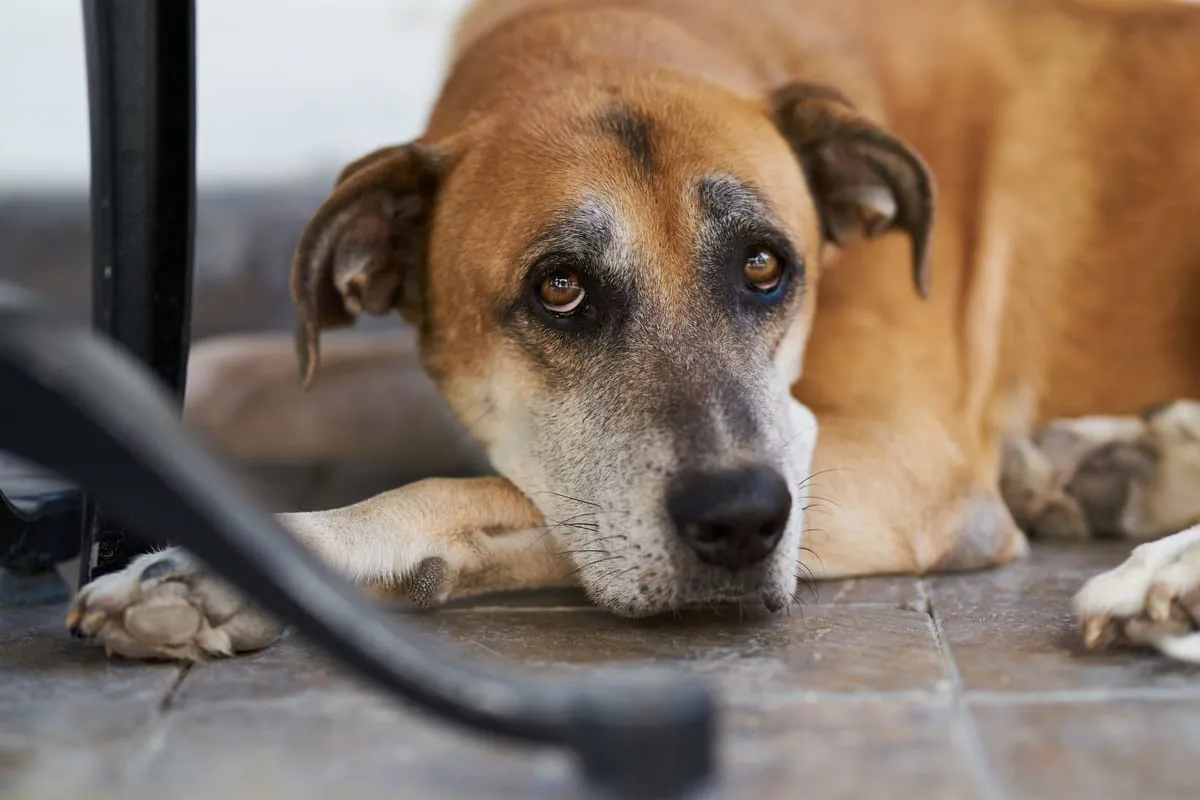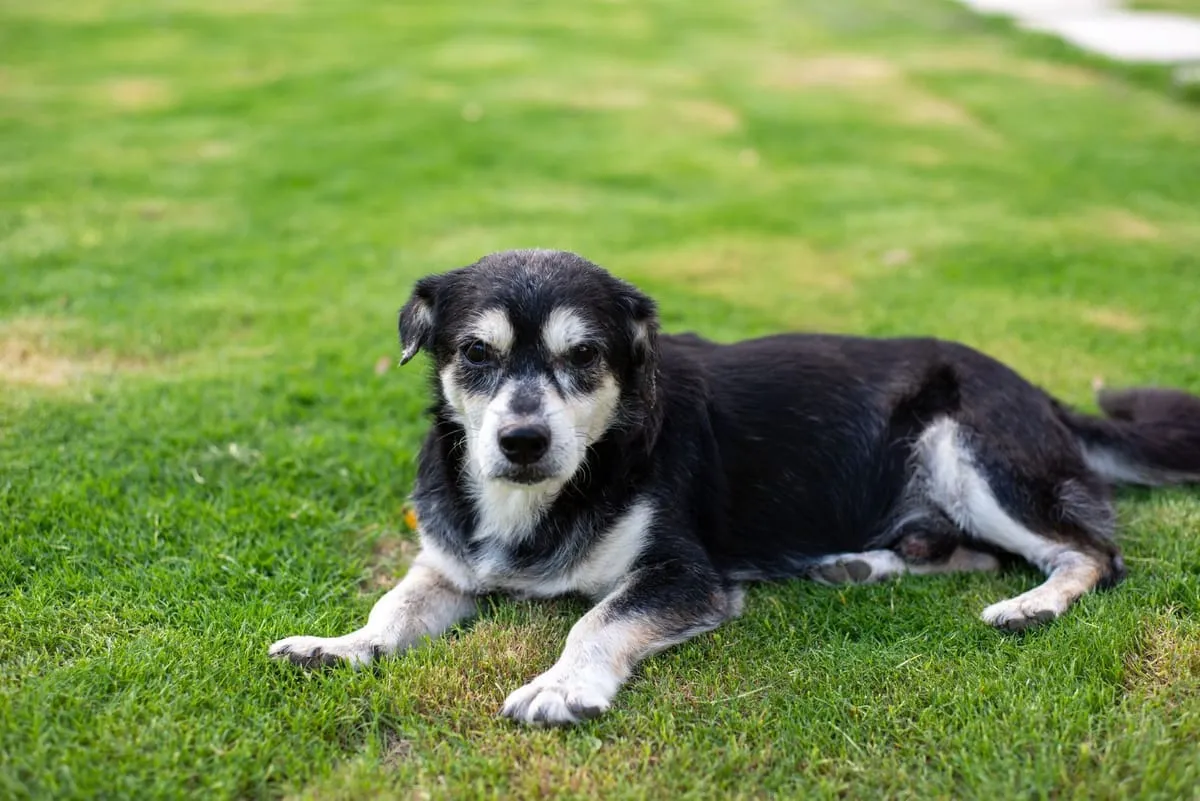
The first sign is usually small. A dog that used to spring onto the sofa now thinks twice, or takes the stairs one careful step at a time, or is stiff and slow getting up in the morning before loosening off. Arthritis creeps in like that, and it is one of the most common reasons older dogs become sore and slow. The important thing to know is that while it cannot be cured, a great deal can be done to keep an arthritic dog comfortable and moving. Here is where to focus.
What arthritis actually is
Arthritis, more precisely osteoarthritis, is the gradual wearing and roughening of the smooth cartilage inside a joint, which leaves bone rubbing on bone and the joint inflamed and painful.
It is most common in older dogs and in bigger breeds, whose joints carry more load over a lifetime, but it is not only a disease of old age. Dogs of any age can develop it after a joint injury, or because of a developmental problem such as hip or elbow dysplasia. Because the changes build slowly, dogs adapt and hide the discomfort for a long time, which is why owners often notice the stiffness long before they realise there is real pain behind it.
Spotting it, and getting a diagnosis
The signs overlap with our guide to the signs your dog is in pain: stiffness after rest, slowing on walks, reluctance with stairs and jumps, licking at a joint, a loss of muscle over the back legs, and new grumpiness when touched.
If you are seeing these, the first move is a vet visit rather than a guess. Your vet can feel the joints, watch your dog move, and often confirm arthritis on examination, sometimes with x-rays to see how much change there is and to rule out other causes. That diagnosis matters, because it tells you what you are dealing with and unlocks pain relief that genuinely works. Self-diagnosing and reaching for a shop-bought remedy risks leaving a dog in treatable pain.
The changes at home that help most
Once you know it is arthritis, a lot of the day-to-day improvement comes from small changes around the house.
Keeping your dog lean is the biggest one, because extra weight loads sore joints and worsens inflammation, so if your dog is carrying a few kilos, losing them will do more than almost anything else, and our overweight check and dog food calculator help you judge and adjust portions. Give a supportive, well-padded bed somewhere warm and out of draughts, since cold and hard floors stiffen sore joints. Put down rugs or runners on slippery floors so your dog is not scrabbling for grip, and use a ramp or a lifting hand for the car and any steps. Keep exercise gentle, regular, and little-and-often rather than saved up for big weekend walks, and stay on top of nail length, which grows longer when a dog moves less and throws off its footing further.
What your vet can offer
Alongside the home changes, your vet has several ways to control arthritis pain, and they work best in combination.
Anti-inflammatory pain relief made for dogs is the mainstay, and used under veterinary guidance it can transform a stiff, sore dog. Your vet may also suggest omega-3 fish oils, which have the best evidence among supplements, and possibly glucosamine-based joint products, which are very safe though less proven. Physiotherapy and hydrotherapy can build the muscle that supports a bad joint without pounding it, and there are now newer options such as a monthly antibody injection that targets arthritis pain, which your vet can tell you whether your dog is suited to. None of this cures the joint, but together it keeps a lot of arthritic dogs comfortable and active for years, which is the honest aim. For the wider picture of looking after an ageing dog, our guide to caring for a senior dog pulls it all together.
Common questions
- Can arthritis in dogs be cured?
- No, arthritis cannot be cured, because the joint changes behind it do not reverse. What it can be is managed, often very well. A combination of keeping your dog lean, sensible exercise, a comfortable home set-up, and pain relief or other treatments from your vet can keep many arthritic dogs comfortable and active for years. The goal is not a cure but a good, mobile, pain-free life, and that is a realistic one.
- What is the single best thing for a dog with arthritis?
- Keeping your dog at a healthy weight. Every extra kilo puts more load through joints that are already sore and fuels the inflammation that makes arthritis worse, so a lean dog is a more comfortable dog. Weight is also the one big lever that is entirely in your hands and costs nothing. It works best alongside vet-guided pain relief and a joint-friendly home, but if you do only one thing, keep your dog slim.
- Should I still walk a dog with arthritis?
- Yes, movement helps arthritic joints, but the pattern matters. Short, gentle, regular walks on most days suit a stiff dog far better than rest during the week and a long hike at the weekend, which tends to flare things up. Warm your dog up gently, keep to softer ground where you can, and let it set the pace. If walks clearly leave your dog more sore, tell your vet, because the plan may need adjusting.
- Do joint supplements work for dogs with arthritis?
- The honest answer is that the evidence is mixed. Omega-3 fish oils have the best support and can genuinely help reduce joint inflammation. Glucosamine and chondroitin are widely used and very safe, but the proof they work is weaker, and results vary from dog to dog. Supplements are worth discussing with your vet as one part of a plan, but they are not a substitute for weight control and proper pain relief, which do the heavy lifting.