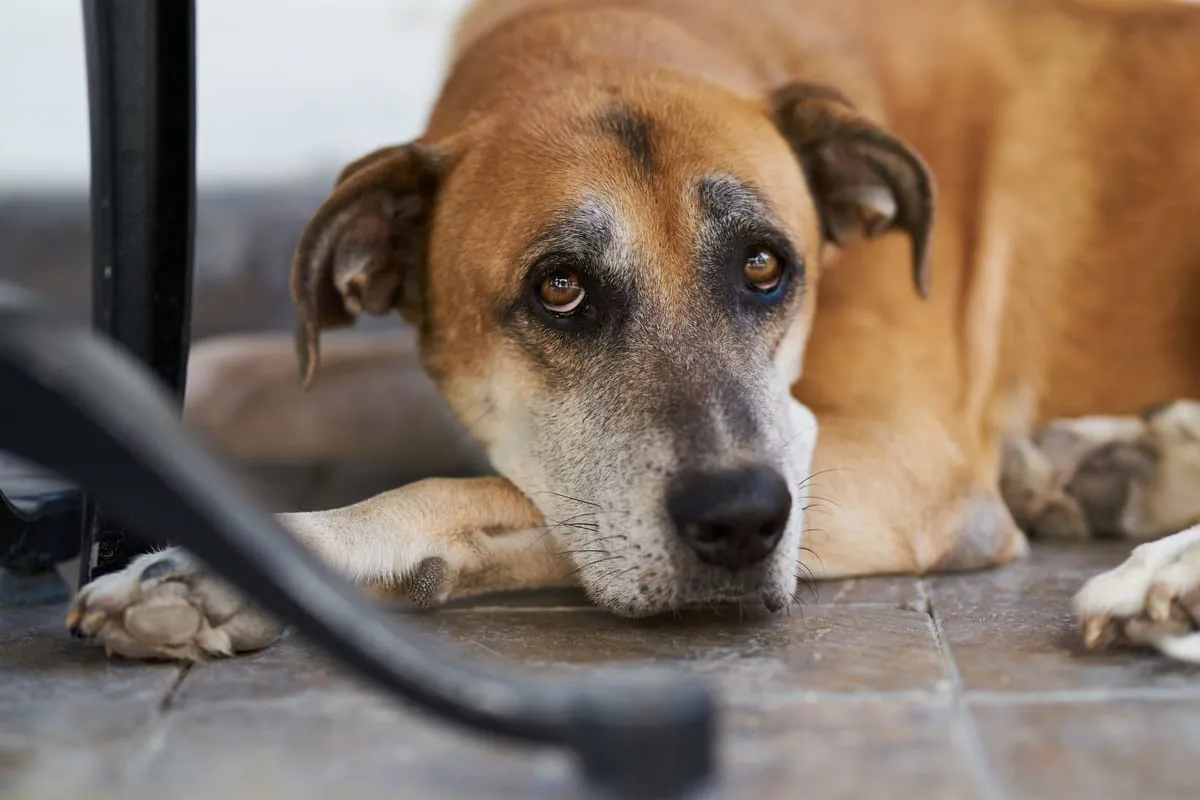
Grooming is easy to think of as making a dog look nice, but it is really about keeping a dog comfortable and healthy. Regular brushing prevents painful mats, spreads the natural oils that keep skin and coat healthy, and gives you a routine chance to spot problems early, from fleas to lumps. Most of it you can and should do at home, and a dog that is used to being handled from the start is far easier to care for and to treat at the vet. Here is how to groom your dog at home, and where a professional earns their keep.
Brushing: the heart of grooming
Brushing is the single most important part of grooming, and how often you do it comes down entirely to the coat.
A short-coated dog needs only a weekly brush to remove loose hair and keep the coat healthy, while a long-haired or double-coated breed needs brushing several times a week, sometimes every day, because their coats mat quickly and mats are genuinely uncomfortable, pulling on the skin and trapping moisture. Use a brush suited to the coat, a slicker or pin brush for longer coats, a bristle brush or grooming mitt for short ones, and work in the direction of hair growth, being gentle around the belly, legs, and behind the ears where mats form first. Beyond keeping the coat clean, regular brushing spreads the natural oils that keep skin healthy, cuts down on shedding around the house, and, crucially, gives you a hands-on check of your dog’s whole body.
Bathing, without overdoing it
Bathing matters, but the most common mistake is doing it too often.
Most dogs need a bath only every few weeks to a couple of months, and really only when they are actually dirty or starting to smell, because washing too frequently strips the coat of its natural oils and can leave the skin dry and itchy. When you do bath your dog, always use a proper dog shampoo rather than human shampoo, which is the wrong pH for their skin, wet the coat thoroughly with warm water, lather, and then rinse very well, since leftover shampoo is a common cause of irritation. Brush the coat before bathing, especially a long one, because water tightens existing mats and makes them much harder to remove. Between baths, regular brushing does most of the work of keeping your dog clean and fresh.
The rest: nails, ears, teeth, eyes
Beyond coat care, a few other bits of maintenance round out home grooming.
Nails need keeping short, since overgrown nails are uncomfortable and can affect how a dog walks, and this is one many owners find daunting, so we have a separate guide on how to clip your dog’s nails safely. Ears should be checked regularly and gently cleaned only if needed, especially in floppy-eared and hairy-eared breeds prone to problems, but never poke anything deep into the ear. Dental care matters more than most people realise, and regular tooth brushing with dog toothpaste is the gold standard for preventing painful dental disease. And eyes just need a gentle wipe of any gunk with a damp cloth. None of this takes long once it is a habit.
When to call a professional
Doing the regular care at home does not mean never using a groomer, and knowing where the line is helps.
A professional groomer is well worth it for coats that need clipping or hand-stripping to stay healthy, for a thorough job on a heavily matted or thick double coat, and for nail trims if you are genuinely nervous about doing them. Many owners strike a balance, handling the daily brushing, bathing, and checks themselves, and booking a groomer every few weeks or months for the jobs that need it. That combination keeps costs sensible while keeping your dog comfortable. For coated breeds in particular, budgeting for regular professional grooming is part of the real cost of the dog, as our guide to what a dog really costs sets out.
The bottom line is that home grooming is mostly about routine, not skill: brush to suit the coat, bath only when needed, keep nails, ears, and teeth in check, and use every session to check your dog over. Get your dog comfortable with handling, do the regular bits yourself, and lean on a professional for the jobs that need one, and grooming becomes a simple, bonding part of caring for your dog rather than a chore.
Common questions
- How often should I groom my dog?
- It depends heavily on the coat. Short-coated dogs need only a weekly brush and the occasional bath, while long or double-coated breeds need brushing several times a week, sometimes daily, to prevent matting, plus professional grooming every few weeks. Whatever the coat, a quick daily once-over to check for mats, lumps, parasites, and sore spots is a good habit for every dog.
- How often should I bath my dog?
- Less often than most people think. For most dogs, every few weeks to a couple of months is plenty, and only when they are actually dirty or smelly, because washing too often strips the natural oils and can dry out the skin. Always use a dog shampoo, never human shampoo, and rinse thoroughly. Between baths, brushing does most of the work of keeping a coat clean.
- Can I groom my dog myself or do I need a professional?
- You can and should do the regular maintenance at home, brushing, bathing, checking, and getting your dog used to being handled. Professional grooming is worth it for coats that need clipping or hand-stripping, for nail trims if you are nervous, and for a thorough job on a heavily matted or double coat. Many owners do the day-to-day themselves and use a groomer periodically.
- My dog hates being groomed, what can I do?
- Go slow and make it positive. Start with very short sessions, pair every step with treats and praise, and stop before your dog gets stressed rather than pushing through. Handle paws, ears, and mouth gently and often, outside of grooming, so being touched feels normal. For a dog that is genuinely frightened, build up gradually over weeks, and ask your vet or a good groomer for help.