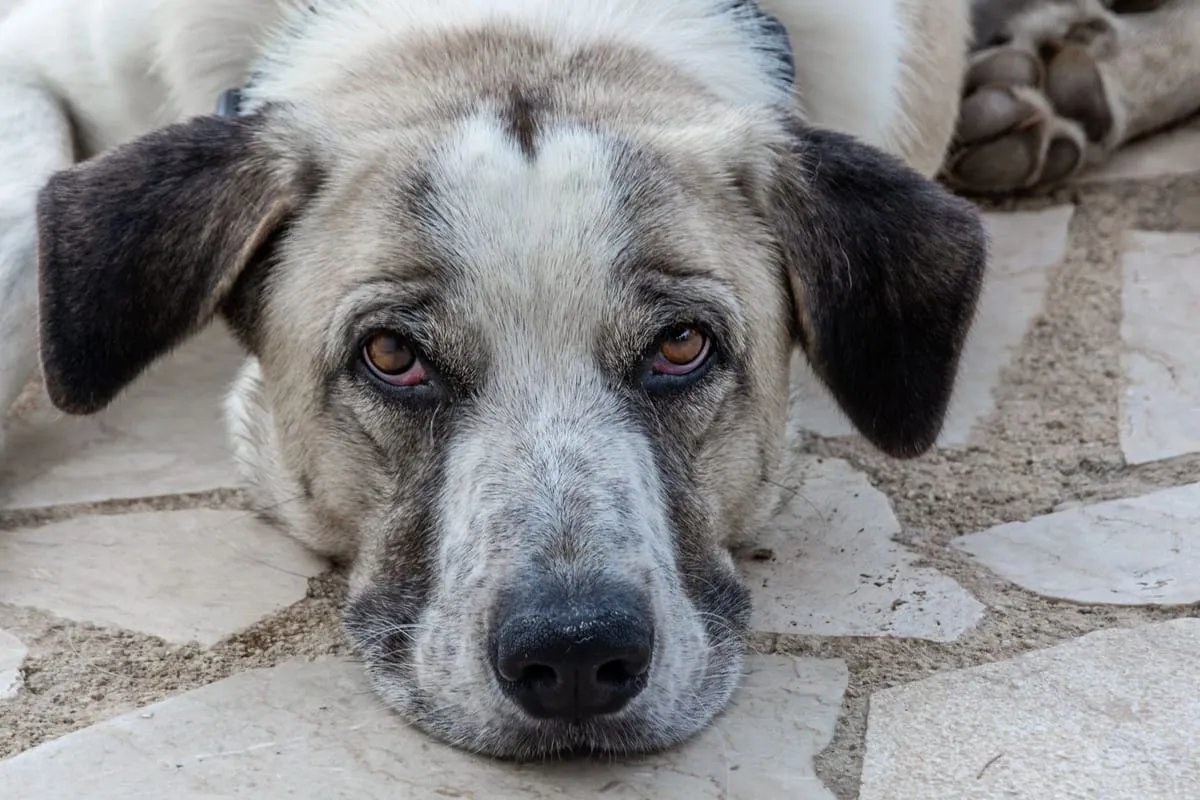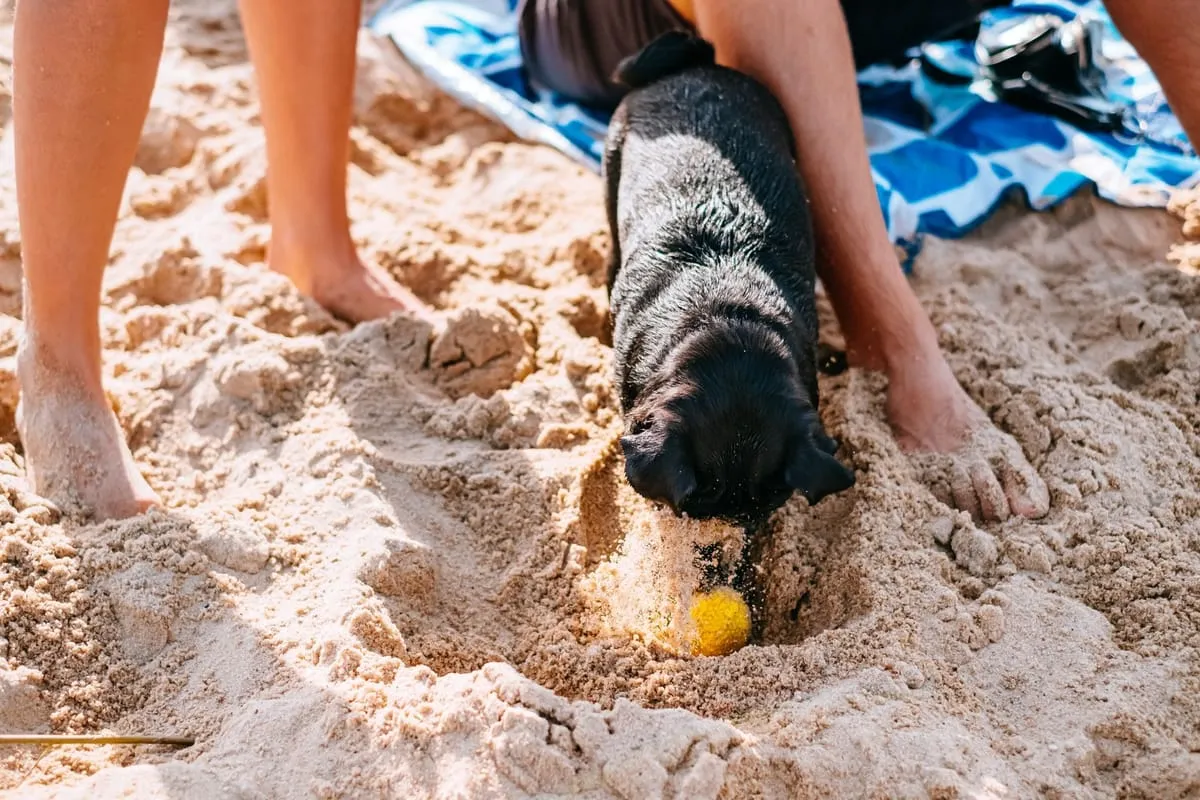
I get sent a lot of photographs of holes. Proud dogs sitting beside craters, flowerbeds that look freshly ploughed, a tunnel starting hopefully under the fence. And the message with them is almost always some version of “how do I make him stop?”
Here is the reframe I offer first, because it changes everything that follows: digging is not misbehaviour. It is one of the most hardwired, satisfying things a dog can do, and your job is far less about stopping it than about understanding which itch your dog is scratching. Get the reason right and the holes usually sort themselves out. Get it wrong and you will be filling craters until one of you gives up.
Work out which digger you have
There is no single reason dogs dig, and the reason decides the fix. Before you do anything, spend a few days noticing where and when it happens.
Boredom and spare energy. This is the big one, and the most common by far. A dog with too little to do and too much left in the tank invents its own entertainment, and digging is cheap, available and gloriously rewarding. This digger tends to go at it when left alone, or in the middle of a long empty afternoon, often in no particular spot.
Breed instinct. Some dogs were built for this. Terriers were bred to dig quarry out of the ground, and asking a Jack Russell not to dig is like asking a collie not to herd. This digger looks purposeful and often follows a scent line.
Keeping cool. On a warm day a dog will dig down to the cool, damp soil and flop into it. If the holes appear in summer, in shade, up against the house or under a tree, and your dog lies in them, you have a temperature problem, not a behaviour one.
Scent and prey. Dogs that dig at a specific spot, nose down, utterly focused, are usually onto something: a mole run, nesting insects, the compost, a buried bone. This one is intense but very local.
Escape, and anxiety. Digging at the boundary line, especially under a fence or gate, usually means your dog wants out, and a dog that is panicking when left alone may dig frantically at doors or fences as part of separation distress. These two matter most for safety.
Give the drive somewhere to go
Once you know the why, you stop fighting the dog and start redirecting the behaviour. For most diggers that means two things at once: less reason to dig, and a legal place to do it.
Take the fuel out of it first. A dog that is properly exercised and mentally worked simply has less spare drive to pour into the lawn. This is the same principle behind so much everyday behaviour: a dog with a job is not inventing one. More sniffy walks, a reliable recall so the walk is off-lead and knackering, a stuffed toy or puzzle from the best toys for a bored dog roundup, and a dog that has somewhere to switch off in the evening rather than pacing and pestering. Half the digging problems I see are really enrichment problems wearing a muddy disguise.
Then, for the committed diggers, build a dig pit. Pick a corner you do not mind sacrificing, or a child’s sandpit filled with sand and loose soil, and make it the best digging on offer: bury toys and a few treats in it, dig alongside your dog the first few times, and throw a party every time they use it. When they drift toward the flowerbed, calmly lead them to the pit instead. You are not banning digging, you are telling your dog exactly where the good digging is. Terrier people, in particular, will get far further with a dedicated pit than with any amount of “no”.
The two you should not just redirect
Most digging is harmless and a dig pit solves it. Two versions deserve a different response.
If the holes are a cooling strategy, do not redirect it, relieve it. Make sure there is proper shade, fresh water and a cool spot to lie, bring your dog in during the hottest part of the day, and read the is it too hot to walk my dog guidance, because a dog digging to cool down is a dog telling you it is struggling with the heat.
And if your dog is digging to escape, treat that as a priority for their safety rather than a tidiness issue. Block the boundary physically so they cannot get out while you work on the cause, and be honest about what is driving it: an under-stimulated dog needs more to do, an unneutered dog on a scent trail is a different conversation with your vet, and a dog that only does it when left alone alongside barking, pacing or drooling is showing separation distress that needs its own plan, not a fence panel. A dog that gets out of the garden is a dog at real risk, so this is the one kind of digging I never ask owners to simply live with.
Everything else? Muddy paws, the odd crater, a terrier being a terrier. Give it an outlet, take the boredom out of the week, and make your peace with the fact that a dog who digs is, most of the time, just being a dog.
Common questions
- Why does my dog dig holes in the garden?
- Usually for one of a handful of very ordinary reasons, and they are boredom and spare energy, a breed instinct to dig, keeping cool on a hot day, chasing the scent or sound of something underground, or trying to get out. The trick is to work out which one you are dealing with, because the fix is completely different for a bored dog than for a dog trying to escape or a dog digging a cool pit in July. Watch where and when the digging happens and it usually tells you why.
- What breeds dig the most?
- The terriers, first and loudest. The name comes from the Latin for earth, and dogs like Jack Russells, Border terriers and dachshunds were bred specifically to go to ground after quarry, so digging is not a fault in them, it is the job they were designed for. Nordic breeds such as huskies dig cooling pits, and many working and scent breeds dig when under-stimulated. If you have a born digger, the realistic goal is a legal place to dig, not no digging at all.
- How do I stop my dog digging under the fence?
- Digging at the boundary is different from digging in the middle of the lawn, because it usually means your dog is trying to get out, and that is worth taking seriously for their safety. Look at why. An unneutered dog may be following a scent, a bored or under-exercised dog may be seeking something to do on the other side, and an anxious dog left alone may be trying to follow you. Block the line physically for now, address the underlying reason, and never leave a determined escaper alone in the garden unsupervised.
- Should I punish my dog for digging?
- No, and telling them off after the fact does not work anyway, because your dog cannot connect a hole it dug an hour ago with your reaction now. All punishment tends to do is teach your dog to dig when you are not watching. Digging is a deeply built-in behaviour, so the approach that actually works is to reduce the reasons for it, boredom, heat, spare energy, and give it a proper outlet, rather than trying to suppress a natural drive by making your dog afraid of you.