Bringing a second dog home is one of those moments that can go beautifully or badly depending almost entirely on how the first few meetings are handled. Dogs are not automatically going to like each other just because you do, and a rushed, face-to-face introduction in the resident dog’s own territory is one of the most common ways owners accidentally set two dogs up to dislike each other. The good news is the method that works is not complicated. It just asks you to slow down and read the dogs instead of the calendar.
Before they meet
A little preparation before the first meeting makes everything after it easier.
Set up separate resources for both dogs in advance, your own bed, bowl, and toys, so nobody has to share or compete from day one. If you have a gate that lets dogs see and hear each other while staying physically apart, like a pressure-mounted walk-through gate, put it up before the new dog arrives rather than scrambling for one after tension shows up. A newly adopted or generally anxious dog can also benefit from a dog-appeasing pheromone diffuser running in the space it will settle into, though treat it as a small help rather than something that fixes a poor introduction on its own.
The first meeting, on neutral ground
Where dogs first meet matters as much as how they meet.
Pick a neutral spot, a quiet park, a friend’s backyard, anywhere that is not the resident dog’s home turf, since territorial instinct is one of the biggest reasons a first meeting turns tense. Have both dogs on loose leads with a handler each, and let them approach at their own pace rather than pulling them nose to nose. A few seconds of sniffing, then calmly walk them apart and let them re-approach if both look relaxed. Keep the whole thing short, upbeat, and low pressure, and end it on a good note before either dog gets overwhelmed rather than waiting for something to go wrong.
Bringing them home together
Once the first meeting has gone reasonably well, the walk home and the first hours in the house are the next test.
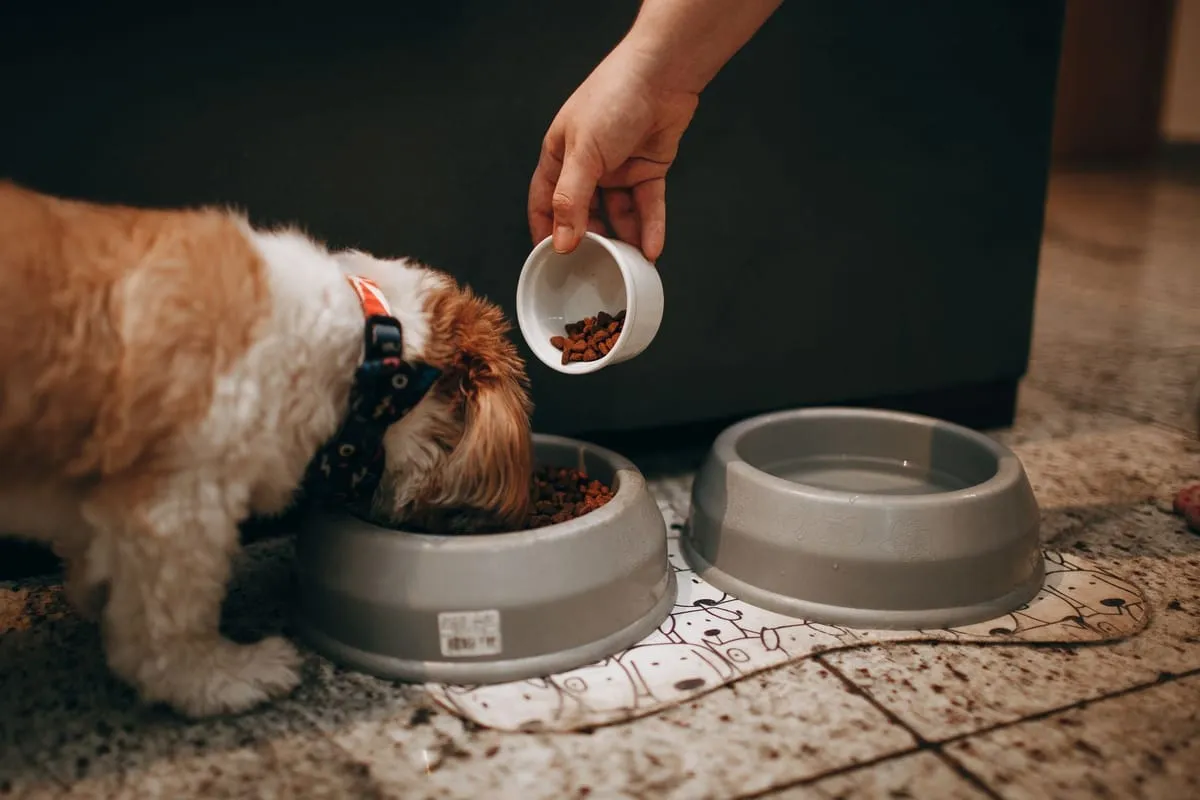
Walk both dogs into the house together rather than letting the resident dog greet the newcomer at the door, since a doorway is a classic pinch point for tension. Keep the first hours calm and supervised, feed the dogs separately, in different rooms or well spaced out, and give each dog its own bed and toys rather than assuming they will share. Resource guarding around food, toys, and even a favorite person is one of the more common reasons early cohabitation goes wrong, so if either dog already shows guarding behavior around meals, keep meals fully separated for now rather than testing it out.
The first few weeks
Getting through the first meeting is only the start. Most multi-dog households are built over the following weeks, not the first afternoon.
Keep supervising every interaction until you have seen plenty of calm, relaxed time together, and only then start leaving them loose in the house unsupervised for short periods, building up gradually. Give the resident dog one-on-one time without the newcomer so their routine and your attention have not simply vanished, since a resident dog that feels displaced is more likely to resent the new arrival. Two full sets of resources, two beds, two feeding stations, several water bowls, and enough toys that nobody has to compete, go a long way toward a peaceful household, the same principle that works for multi-cat homes.
Most dogs, introduced properly, settle into anything from genuine companionship to a comfortable, low-drama coexistence, and either outcome makes for a happy home. Meet on neutral ground, keep the first sessions short and positive, watch body language rather than assuming goodwill, and give the relationship real time to build before expecting them to be left alone together. If you are still deciding whether a second dog is the right move at all, our guide to choosing the right dog for your life is worth reading first.
Common questions
- How long does it take for two dogs to get used to each other?
- Some pairs settle within a few days, others take several weeks of gradual exposure before they relax around each other. Go at the pace of the more nervous or less confident dog rather than a fixed timeline, since pushing two dogs together before they are ready tends to cause setbacks that take longer to undo than the extra patience would have.
- Should I introduce dogs on neutral territory?
- Yes, if at all possible. Meeting somewhere neither dog considers their own space, a quiet park or a neighbor's yard rather than your living room, removes the territorial edge from the first meeting and makes a calm greeting far more likely. Going straight into the resident dog's home and garden is one of the more common ways a first meeting turns tense.
- What are the warning signs an introduction is going badly?
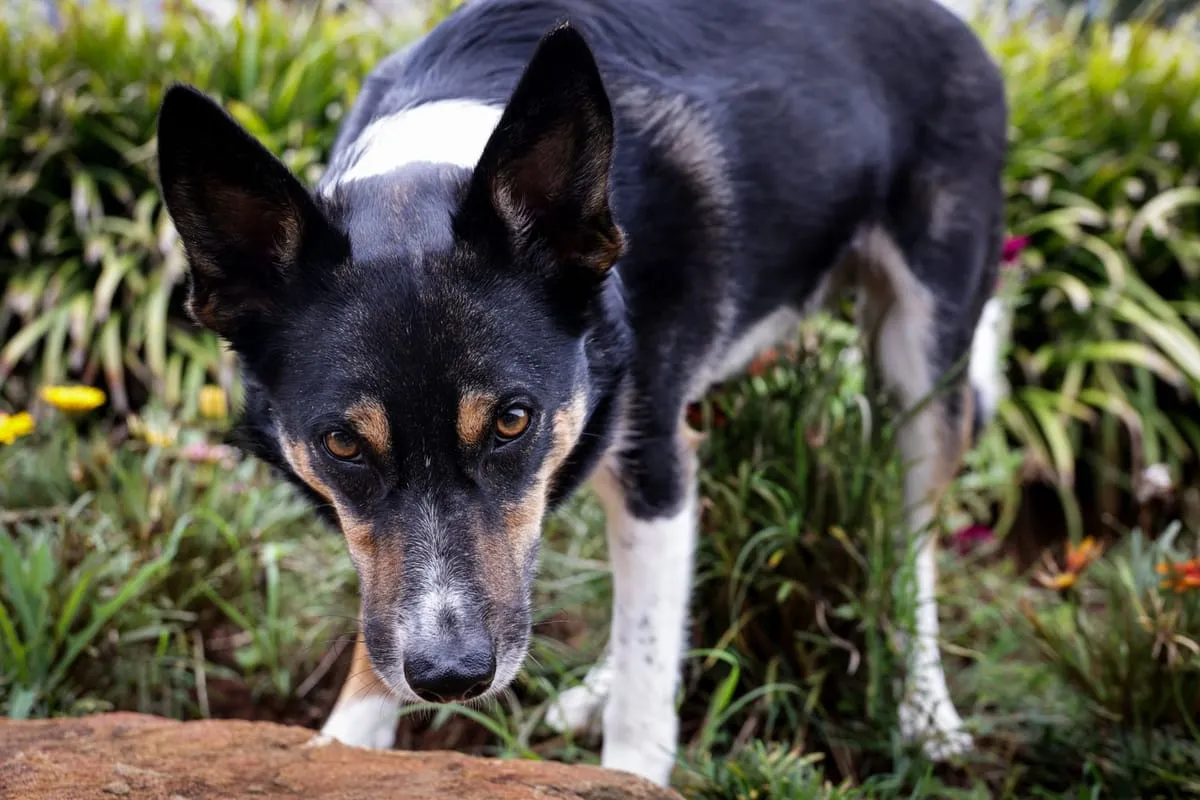
- A hard, unblinking stare, a stiff, frozen body, raised hackles, growling, or one dog repeatedly trying to get away from the other are all signs to calmly separate and slow down. Occasional grumbling or a brief snap while dogs sort out space around food is not automatically catastrophic, but a pattern of stiffness and tension without any loosening up over repeated sessions is worth getting a certified trainer or behaviorist to look at in person.
- How do I introduce a puppy to an adult dog?
- The same neutral-first, short-and-positive approach applies, but give the adult dog regular breaks away from the puppy, since puppies do not naturally read "I've had enough" signals and can wear an adult dog down. Never leave a puppy unsupervised with an adult dog until you have seen many calm, relaxed interactions between them, and step in if the adult is giving repeated warning signals the puppy is ignoring.