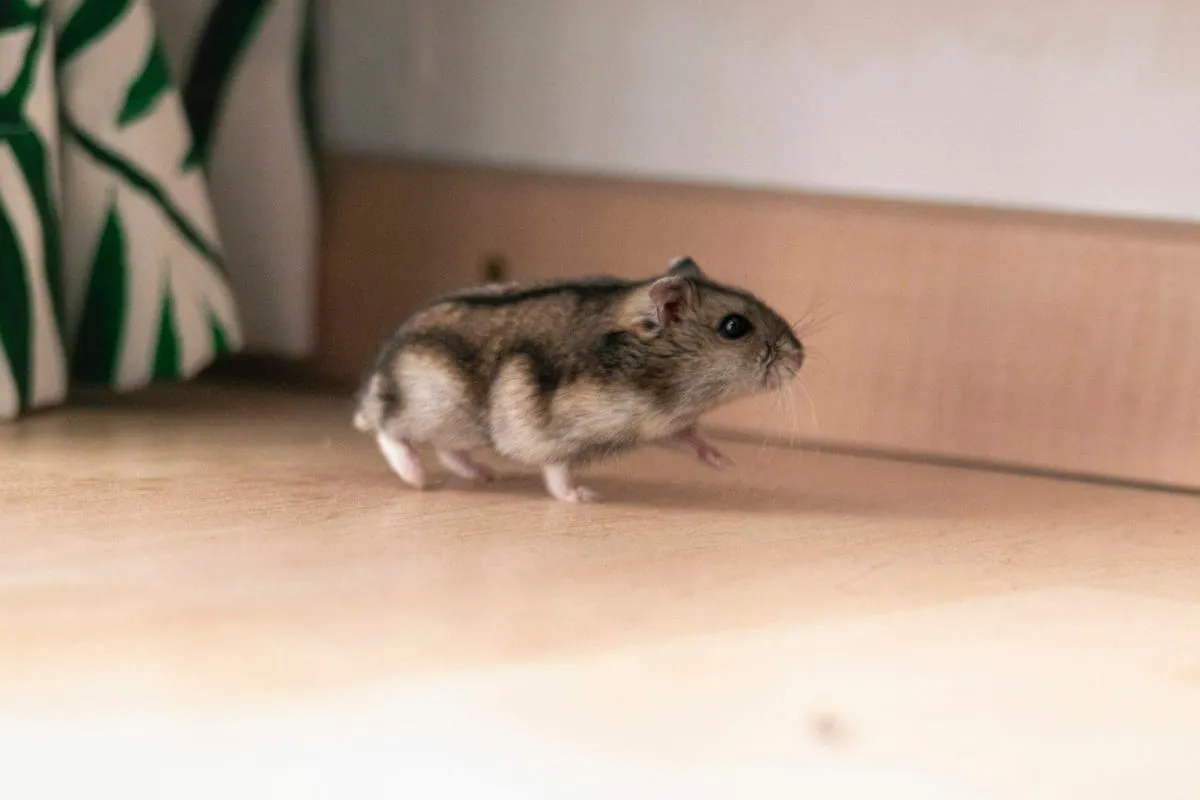
The Syrian hamster, the classic golden hamster, is one of the most popular first pets, and one of the animals most affected by outdated and simply wrong advice. So much of the standard guidance, the small cage, the tiny wheel, sometimes even keeping them in pairs, actively harms these animals. Yet a Syrian hamster kept properly is a charming, characterful little pet. The gap is all in the care, and correcting a few widespread mistakes makes an enormous difference. This guide sets out what a Syrian hamster genuinely needs, starting with the two things most often got wrong: that they must live alone, and that they need far more space than they are usually given.
They must live alone
The single most important fact about Syrian hamsters is the opposite of what people assume from other small pets: they are strictly solitary and must never be housed together.
Unlike guinea pigs or rabbits, which need companions, Syrian hamsters are solitary animals that live alone in the wild and defend their territory fiercely. Housed together, two Syrian hamsters will fight, often seriously and sometimes to the death, so the rule is absolute: one Syrian hamster per cage, always. This catches people out precisely because they expect small pets to be social, and because hamsters are sometimes still sold or displayed in groups, but keeping Syrians together is a genuine and dangerous mistake. A lone Syrian hamster is not lonely, it is living exactly as its nature intends, and it does not need or want a cage-mate. Understanding this is essential, because getting it wrong does not just stress the animals, it can get one killed.
They need far more space than you think
The second great myth about hamsters is that they are happy in small cages, and correcting this transforms their welfare.
The typical small cage sold for a hamster, often a little plastic box with tubes, is far too small for an animal that in the wild roams considerable distances every night. Hamsters need a lot of floor space to roam, explore, dig, and forage, and cramped cages are a serious and common welfare problem, linked to stress and to repetitive behaviours like bar-chewing. So the guiding principle is to provide the largest floor area you can, well beyond the pet-shop minimums, with deep bedding they can burrow and dig into, since digging is a strong natural behaviour. They also need a proper wheel, large enough that the hamster can run with a straight back rather than an arched spine, and with a solid running surface rather than rungs that can catch feet. Add hides, things to chew, and opportunities to forage for food, along the lines of stopping a small pet getting bored, and you turn a cramped box into a proper hamster home.
Nocturnal, and best handled gently
Understanding a hamster’s daily rhythm and temperament is key to a good relationship, and it has real implications for families in particular.
Hamsters are nocturnal, most active at night, which means they are often fast asleep during the day when children especially want to play with them. Waking a sleeping hamster, or handling one roughly or too soon, can lead to nipping, since a startled or frightened hamster may bite in self-defence. With gentle, patient handling, though, and by respecting their sleep and letting them come round in their own time, many hamsters become tame and enjoyable to interact with, following the same trust-building, never-force approach as any small prey animal in why small pets hide or nip. This nocturnal nature and need for gentle handling is why hamsters, despite being sold as ideal children’s pets, actually suit a calm, respectful approach with adult oversight rather than being treated as a hands-on toy, something worth being honest about before choosing one for a young child.
Lifespan and who they suit
Finally, the practical realities of lifespan and suitability, which round out whether a Syrian hamster is right for you.
Syrian hamsters live only around two to three years, much shorter than rabbits or guinea pigs, which makes them a gentler commitment in length but also means loss comes relatively soon, a real consideration for families with children. As for who they suit: a Syrian hamster is a good choice for someone, or a family with adult involvement, who can provide a genuinely large cage with deep bedding and a proper wheel, understands the animal must live alone, respects its nocturnal nature and handles it gently and patiently, and accepts the short lifespan. They are less suited to anyone expecting a daytime, hands-on pet for a young child to play with freely, or willing only to provide a small cage, or assuming they should be kept in pairs.
Kept as the solitary, space-loving, night-active animals they truly are, Syrian hamsters are genuinely charming pets, characterful, entertaining to watch as they stuff their cheeks and busy about their cage, and capable of becoming tame and friendly with patient handling. The whole secret is to discard the outdated advice, one hamster per cage, always, a much bigger home than the pet shop suggests, gentle handling on the hamster’s nocturnal schedule, and to give this small, short-lived, but delightful animal the proper care that its popularity too often skips.
Common questions
- Can Syrian hamsters live together?
- No. Syrian hamsters are strictly solitary and must live alone, one hamster per cage. Housed together they will fight, often to the death. This is the opposite of social small pets like guinea pigs, and it is one of the most important things to know, since keeping them in pairs is a common and dangerous mistake.
- How big a cage does a Syrian hamster need?
- Much bigger than most cages sold for them. Hamsters need a lot more floor space than the typical small pet-shop cage provides, to roam, dig, and forage, plus a large solid-surface wheel. Undersized cages are a major welfare problem, so err on the side of the largest floor area you can.
- Are hamsters good pets for children?
- With caveats. Hamsters are nocturnal, so they are often asleep when children want to play, and being woken or handled roughly they may nip. They can be lovely with gentle, patient handling once tame, but they suit a calm, respectful approach and adult oversight rather than being a hands-on toy for a young child.
- How long do Syrian hamsters live?
- Only around two to three years, much shorter than rabbits or guinea pigs. Their short lifespan is worth knowing, both as a gentler commitment and because it means loss comes relatively soon, which is a consideration for families, especially with children.