Rabbits are among the most popular pets in the country, and also among the most misunderstood and, sadly, most often failed. The old picture of a rabbit as an easy children’s pet living alone in a small hutch at the bottom of the garden is deeply outdated, and it is behind a great deal of the neglect I see in rescue. The reality is that rabbits are social, intelligent, long-lived animals with specific and substantial needs, and kept properly they are delightful, characterful companions. This guide sets out what a rabbit genuinely needs, so that one of our most common pets can actually thrive rather than merely exist.
Not the easy pet they seem
The most important thing to understand about rabbits is that they are far more demanding than their “starter pet” reputation suggests.
Rabbits are frequently sold as simple, low-maintenance pets suitable for young children, and that framing does them a real disservice. In truth they are social animals that usually need a companion of their own kind, they require a great deal of space, they have a specific diet that must be right, they need vaccinations and specialist exotics vet care, and they can live eight to twelve years, as long as a dog. Many dislike being picked up, which sits awkwardly with the “cuddly children’s pet” idea. None of this makes rabbits bad pets, far from it, but it does mean they are a considered, long-term commitment for an involved adult, not a casual purchase or a low-effort first pet for a child to look after alone. Going in understanding this is the foundation of keeping a rabbit well, and it is where so much rabbit neglect begins, with expectations that never matched the animal.
Company and space
Two of a rabbit’s biggest needs are the two most often shortchanged: companionship and room to move.
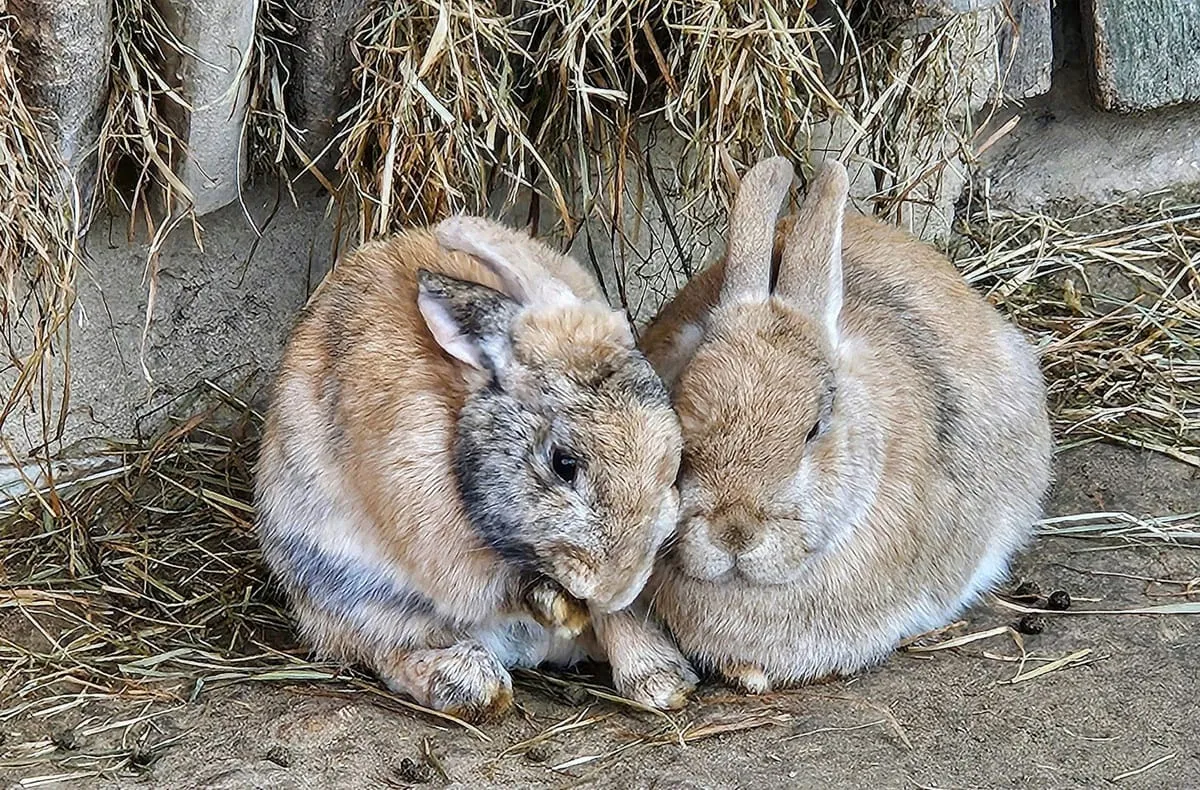
Rabbits are highly social and, in most cases, should not live alone. They do far better with a compatible companion rabbit, and a lone rabbit is often lonely and depressed, since human company, however loving, does not fully replace another rabbit. The usual recommendation is a bonded pair, typically neutered, and bonding them is its own careful process, covered in how to bond a pair. Space is the other big one. The traditional small hutch is nowhere near enough for a rabbit, which needs a large living area plus daily access to a big, secure space to run, jump, binky, and stretch right out, whether a rabbit-proofed room, a large secure run, or free range of a safe area. Confining a rabbit to a small hutch, with little room and no companion, is one of the commonest and most serious ways these animals are failed, and putting both right transforms a rabbit’s life.
Diet and health
A rabbit’s diet and health needs are specific and non-negotiable, and getting them right prevents much of the illness rabbits suffer.
The foundation of a rabbit’s diet is unlimited grass hay, which should make up the great bulk of what it eats, supported by a measured amount of good pellets and a daily portion of suitable fresh greens, with the reasons set out in why hay is the most important food. Hay is not bedding or an afterthought, it is essential for both the continuously growing teeth and the sensitive gut, and getting it wrong leads directly to the dental and digestive problems rabbits are so prone to. On health, rabbits need vaccinations against serious diseases, benefit greatly from neutering, and require a vet experienced with rabbits, since they are exotics rather than routine small mammals. They also hide illness extremely well and can deteriorate fast, particularly if they stop eating, so knowing the health signs small pets hide matters a great deal. Preventive care and the right diet head off most of the trouble.
A rewarding companion for the right home
Finally, it is worth saying what a well-kept rabbit actually offers, because behind all the requirements is a genuinely wonderful pet.
Given what they need, rabbits are intelligent, characterful, and affectionate animals that bond with each other and with their people, can be litter trained, learn their names, and develop real individual personalities. A pair of rabbits with space to run, the right diet, good health care, and gentle, respectful human interaction is a joy to keep. They suit a committed household, with an involved adult as the real carer, that can provide the space, companionship, diet, and veterinary care, and that understands the long lifespan. They are not suited to being a young child’s sole responsibility, a solitary hutch life, or anyone wanting a cuddly, easy, short-term pet.
Kept as the social, spacious-living, hay-eating animals they truly are, rabbits are among the most rewarding of all small pets, and a world away from the lonely hutch rabbit of tradition. The whole key is to meet them where they actually are: sociable animals that usually need a companion, active animals that need real space, and specialist feeders that need the right diet and vet care, living for many years. Provide those, and you give a rabbit the genuinely good life these popular but so often misunderstood animals deserve.
Common questions
- Are rabbits easy pets to keep?
- Less than their reputation suggests. Rabbits are often sold as easy children's pets, but they are social, long-lived animals needing a companion rabbit, a lot of space, a specific diet, and specialist vet care. Kept properly they are wonderful, but they are a bigger commitment than many people expect.
- Do rabbits need a companion?
- Yes, in most cases. Rabbits are highly social and generally should not live alone, doing far better with a compatible companion rabbit. A lone rabbit is often lonely, and human company, however devoted, does not fully replace another rabbit. Bonding a neutered pair is the usual recommendation.
- Can rabbits live in a hutch?
- Not in a small hutch alone. The traditional small hutch is far too little space for a rabbit, which needs a large living area plus daily access to a big, secure exercise space to run, jump, and stretch out. Confining a rabbit to a small hutch is one of the most common ways they are failed.
- How long do rabbits live?
- Often eight to twelve years with good care, as long as a dog. This surprises many people who expect a short-lived small pet, and it makes a rabbit a genuine long-term commitment. It is one reason to be sure before taking one on, especially as a pet for a child.