Guinea pigs are among the most endearing of small pets: gentle, sociable, wonderfully vocal, and generally happy to be handled, which makes them deservedly popular with families. They rarely bite, they are robust little animals, and they greet you with delighted squeaks at feeding time. But like all small pets, they are often kept in ways that fall short of what they need, and there is one dietary requirement in particular that is unique among common pets and absolutely essential to get right. This guide covers what guinea pigs genuinely need to thrive, so these charming animals get the care they deserve.
Sociable herd animals
The first and most important thing to understand about guinea pigs is that they are deeply social, and companionship is a genuine need, not a nicety.
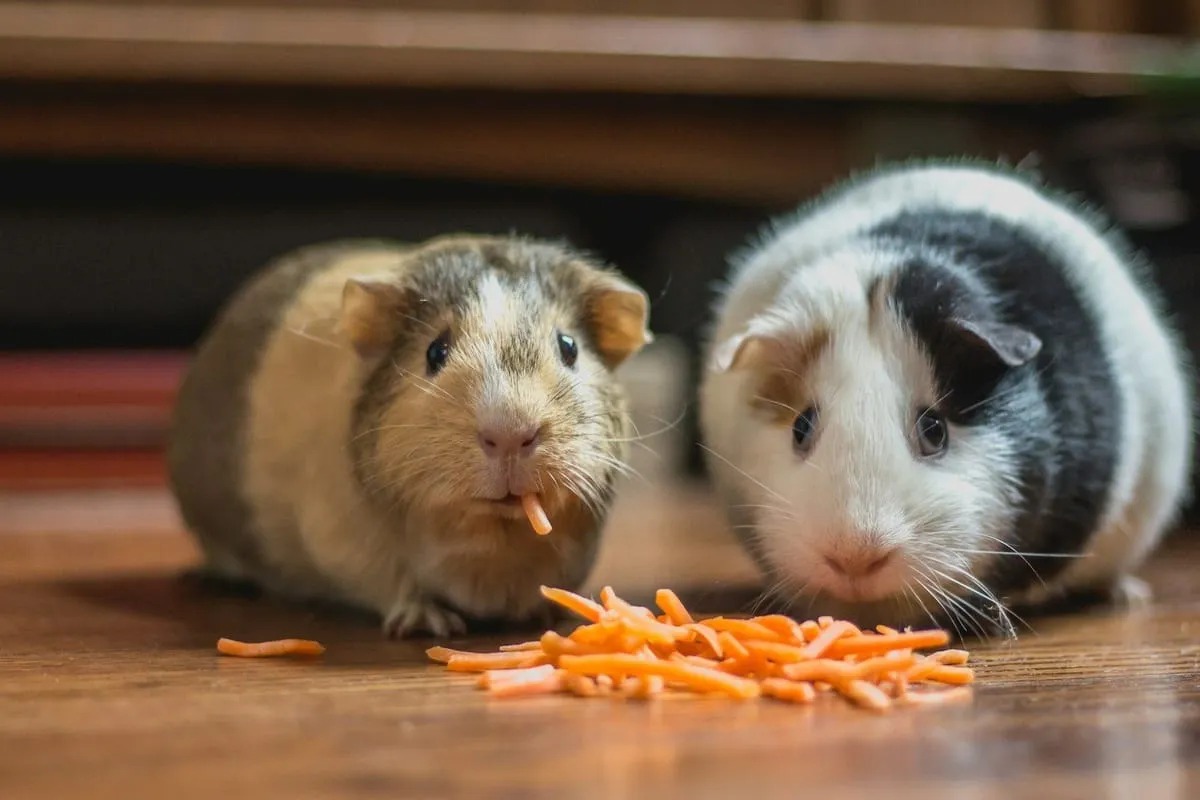
In the wild guinea pigs live in groups, and that social nature is central to their wellbeing. A guinea pig kept alone is very often lonely and stressed, and no amount of human attention, however devoted, fully replaces the company of another guinea pig. For this reason guinea pigs should be kept in compatible pairs or groups rather than singly, so they have the companionship they are built for, the mutual grooming, the shared foraging, the safety of numbers. This is one of the biggest factors in a guinea pig’s happiness, and one of the most commonly overlooked. A pair or group of guinea pigs, chattering and pottering together, is a much happier sight than a solitary one, and providing that companionship is a fundamental part of keeping them well rather than an optional extra.
The vitamin C essential
Here is where guinea pigs differ from almost every other common pet, and it is a point that catches many owners out with serious consequences.
Like humans, and unlike most animals, guinea pigs cannot make their own vitamin C. They must get it from their diet every single day, and without a reliable source they develop scurvy, which is painful and, left unaddressed, can be fatal. This makes vitamin C an absolute, non-negotiable part of guinea pig care. It is met through a guinea-pig-specific pellet, which is fortified with stabilised vitamin C, rather than a rabbit pellet which is not, along with vitamin-C-rich vegetables such as peppers, and sometimes an additional supplement. Because the vitamin degrades over time, it is worth buying guinea pig food fresh and using it within a few months. This single dietary need is unique among common pets and easy to overlook, so it is worth building firmly into the routine from the very start, as it is genuinely a matter of the animal’s health.
Diet and housing
Beyond the vitamin C, guinea pigs share the core diet and space needs of the small herbivores, and getting these right prevents much of the illness they suffer.
The foundation of the diet, as for rabbits, is unlimited grass hay making up the bulk of what they eat, with a measured amount of the vitamin-C-fortified guinea pig pellet and a daily portion of suitable fresh greens, all as set out in why hay is the most important food. Hay is essential for their continuously growing teeth and their sensitive digestive systems, and getting it right heads off the dental and gut problems these animals are prone to. On housing, guinea pigs need considerably more space than the small cages often sold for them, room for a pair or group to move, forage, and exercise, ideally with plenty of floor space, since they are ground-dwelling animals that do not climb. Add secure, comfortable housing, hidey-holes to feel safe in, fresh water, and a suitable safe environment, and you meet their physical needs. As with all small pets, they hide illness, so knowing the signs to watch for matters.
A gentle, rewarding pet
Finally, it is worth celebrating what guinea pigs offer when well kept, because they are genuinely lovely animals for the right home.
Given company, space, and the right diet, guinea pigs are gentle, characterful, and interactive, recognising their people, calling out excitedly for food, and developing real personalities, while generally tolerating careful handling well, which makes them one of the more suitable small pets where children are involved, provided an adult is the real carer. A pair or group of well-kept guinea pigs is a delight to keep and to watch. They suit a household that can provide companionship for the animals, adequate space, the specific diet including that essential vitamin C, and the commitment of five to seven years or more, with an involved adult overseeing their care. They are less suited to solitary keeping, cramped cages, or being a young child’s sole responsibility.
Kept properly, guinea pigs are among the most rewarding and family-friendly of small pets: sociable, gentle, vocal little animals that bring a lot of character and affection into a home. The keys are simple but essential, keep them in the company of their own kind, give them the space they need, feed the hay-based diet that suits their teeth and gut, and never forget the daily vitamin C that only they, among common pets, absolutely must have. Meet those, and a pair of happy guinea pigs will reward you with years of squeaky, endearing companionship.
Common questions
- Are guinea pigs good pets?
- Yes, guinea pigs are gentle, sociable, and endearing, and are often more child-friendly than some small pets because they rarely bite and are robust enough to handle carefully. They do need company of their own kind, plenty of space, and a specific diet, so they are a real commitment rather than a no-effort pet.
- Can guinea pigs live alone?
- They should not. Guinea pigs are highly social herd animals and need the company of at least one other guinea pig to be happy. A lone guinea pig is often lonely and stressed, and human company does not replace a companion. Keeping them in compatible pairs or groups is strongly recommended.
- Why do guinea pigs need vitamin C?
- Like humans, guinea pigs cannot make their own vitamin C and must get it from their diet every day, or they develop scurvy, which is painful and can be fatal. This is met through a guinea-pig-specific fortified pellet plus vitamin-C-rich vegetables, and sometimes a supplement. It is an essential, non-negotiable part of their care.
- How long do guinea pigs live?
- Often five to seven years or more with good care, longer than many people expect for a small pet. This makes them a meaningful long-term commitment, and a reason to be sure before taking them on, especially as pets involving children, where an adult must be the real carer.