It is easy to think of small pets as low-maintenance animals that are content to sit in a cage, and it is one of the quiet ways we let them down. Rabbits, guinea pigs, rats, and the rest are curious, active, intelligent animals with strong natural drives to forage, chew, dig, and explore, and a bare cage gives them an outlet for none of it. A bored small pet does not just sit there being fine. It chews the bars, overeats out of sheer monotony, grows listless, or develops repetitive habits. Enrichment for these animals is not spoiling them, it is meeting a genuine need, and it is one of the biggest differences between a small pet that merely exists and one that thrives.
Boredom is a welfare problem, not a mood
Before the practical ideas, it helps to see that boredom in small pets has real consequences, because that is what makes enrichment matter rather than being optional.
In a natural setting these animals spend their time busy: foraging for food that takes effort to find, chewing constantly, digging, patrolling territory, interacting with others of their kind. A standard cage removes almost all of that and hands them food in a bowl, so all that energy and instinct has nowhere to go. It comes out as problems. Bar-chewing, where an animal gnaws relentlessly at the cage, is a classic sign of a bored, under-stimulated, or under-spaced animal, and it can wear the teeth wrongly too. Boredom-driven overeating leads to obesity. Some animals become withdrawn and inactive, others develop repetitive behaviours. None of this is the animal being difficult, it is the animal reacting to a life with nothing in it. Recognising boredom as a welfare issue is the first step to fixing it.
Let them forage and chew
The two most powerful forms of enrichment tap into what these animals are built to do most, and both are cheap and easy to provide.
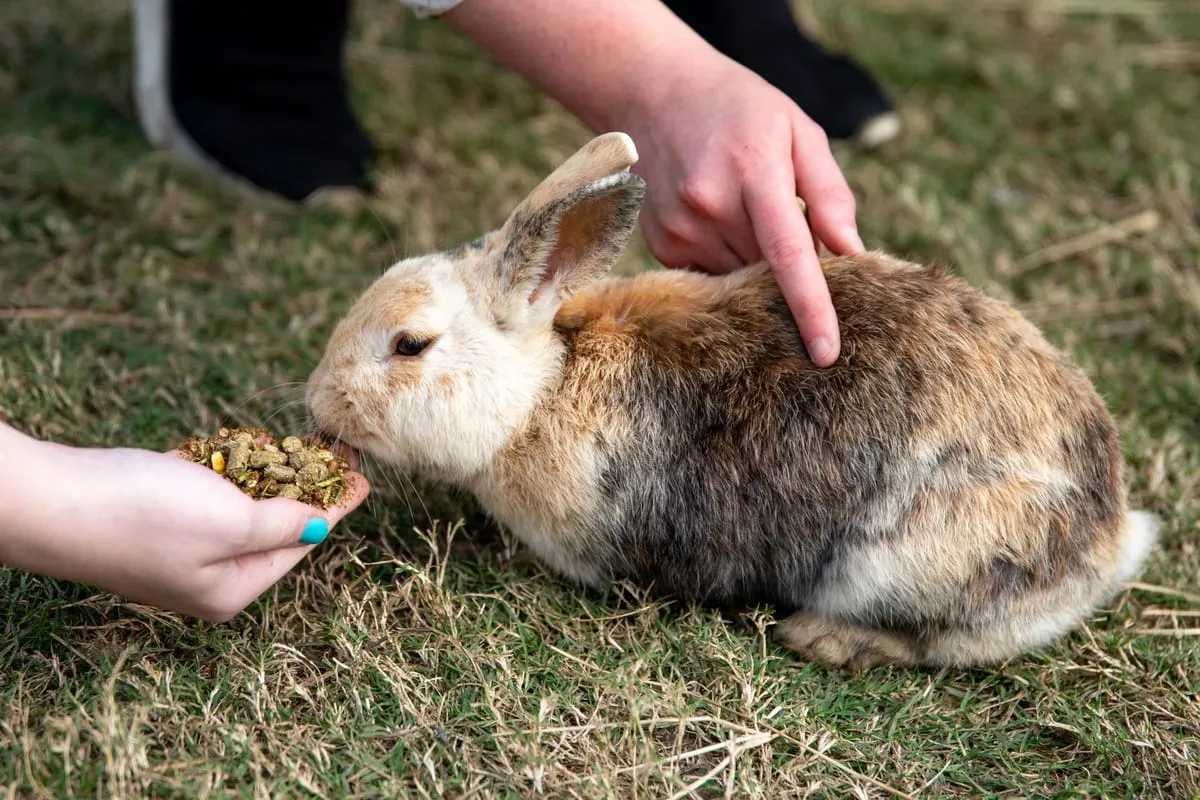
Foraging is the big one. Instead of putting all the food in a bowl to be eaten in minutes, make the animal work for some of it: scatter dried food in the hay so it has to hunt, stuff it into cardboard tubes or paper parcels it has to open, or hide it around the enclosure. This turns a quick meal into an absorbing activity and gives the animal hours of the searching behaviour it craves. Chewing is the other essential, and not only for entertainment: rabbits, guinea pigs, and rodents have continuously growing teeth that need constant gnawing to stay healthy, so a steady supply of safe things to chew, untreated wood, willow, cardboard, is doing a real job for both boredom and dental health. Between foraging and chewing, you address the two strongest drives these animals have, and a great deal of boredom disappears.
Tunnels, digging, and places to explore
Beyond food and chewing, small pets want to move through and investigate their world, and providing for that adds another layer of interest.
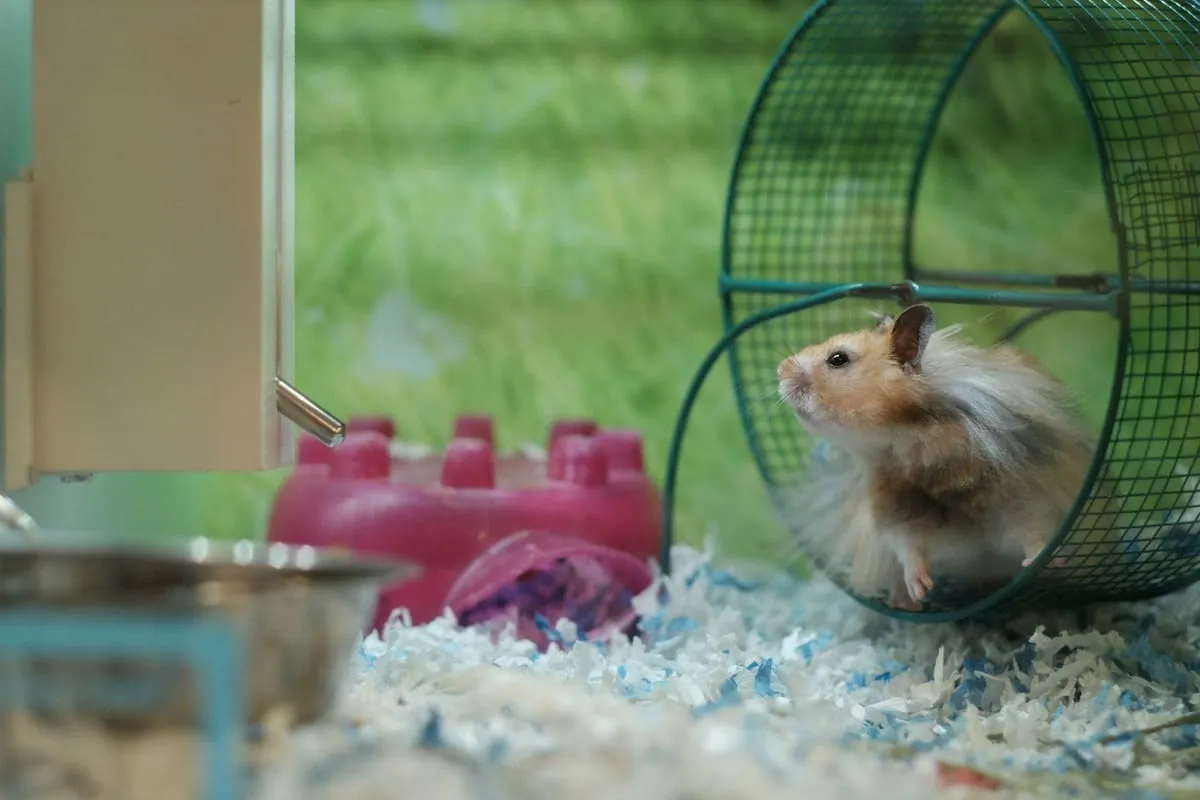
Most of these animals are burrowers or tunnellers at heart, so tunnels and pipes to run through and hide in are instantly appealing and tap a deep instinct. Multiple hides let an animal feel secure and give it places to retreat to and pop out of. For natural diggers, a dig box, a container of safe material they can burrow into, is wonderfully satisfying enrichment. Changing the layout of the enclosure occasionally, moving hides and adding new things, keeps a small pet curious rather than resigned. The goal is an environment with texture and variety and things to do, rather than a flat, empty box. When you want to add a few well-chosen pieces, our small-pet toys and enrichment picks are chosen with foraging, chewing, and exploring in mind.
Space and time out matter most of all
Underneath every toy sits the biggest factor of all, and it is the one most often shortchanged: space.
The plain truth is that most small pets are kept in enclosures that are too small, because the cages sold as suitable often are not. No amount of enrichment fully makes up for an animal that cannot stretch, run, and move properly, so the single most valuable thing you can give a small pet is more room, and daily time out of the cage in a safe, larger space to exercise and explore. A rabbit with a big enclosure and free-roaming time, a guinea pig with floor space and a companion, a rat with a tall cage and out-of-cage play, these are transformed animals compared with their cramped counterparts. Many social small pets also need the company of their own kind, which is its own form of enrichment and, for some species, a genuine need rather than an option.
Put it together, foraging and chewing outlets, tunnels and hides and places to explore, a varied and changing environment, and above all enough space and time out, and you turn a cage into a life. Small pets are not the passive, undemanding creatures they are sometimes sold as. They are busy little animals that need something to be busy with, and giving them that is the difference between an animal that is merely kept and one that is genuinely well.
Common questions
- Do small pets get bored?
- Yes, very much so. Rabbits, guinea pigs, rats, and their relatives are intelligent, active animals, and a bare cage with nothing to do leaves them bored, which shows up as bar-chewing, overeating, lethargy, or repetitive behaviour. Enrichment is a real welfare need, not a luxury.
- What kind of toys do small pets need?
- A mix that lets them do what they naturally do, meaning things to chew, opportunities to forage for food, tunnels and hides to explore, and for diggers, somewhere to dig. Simple, safe household items like cardboard tubes and boxes work as well as bought toys, and rotating them keeps things fresh.
- Why does my small pet chew the cage bars?
- Bar-chewing is often a sign of boredom or too little space, an animal with nothing to do and nowhere to go. More room, more time out of the cage, and proper chewing outlets usually reduce it. It can also wear the teeth incorrectly, so it is worth addressing rather than ignoring.
- How much space and time out of the cage do small pets need?
- More than the typical pet-shop cage provides. Most small pets are kept in enclosures that are too small, and they need daily time in a safe, larger space to exercise and explore. Space and out-of-cage time are among the biggest factors in a small pet's happiness.