Small pets get chosen more casually than almost any other animal. They are marketed as easy starter pets, cheap, small, and undemanding, ideal for a child or a first-timer, and that framing is exactly how so many end up in the wrong homes, kept in cages too small, alone when they need company, or fed the wrong diet. Choosing a small pet well means seeing past the “easy starter animal” label and looking honestly at what each of these species actually needs, and at whether that fits your life. Do that and small pets are wonderful. Skip it and you get the mismatches that fill rescues like the one I foster for.
Drop the “easy starter pet” idea first
Before comparing species, the most useful thing you can do is let go of the assumption that small pets are low-effort, because that single misconception causes most of the problems.
These animals are not the undemanding, cage-in-the-corner pets they are sold as. They need correct, often specialised diets, housing far larger than the cages typically sold for them, daily enrichment and time out, companionship for the social species, and access to a vet who treats exotics. Some live a lot longer than people expect. None of that makes them bad pets, they are lovely animals, but it does mean they are a real commitment rather than a convenient one. Going in expecting an easy, hands-off pet and discovering a demanding little animal is how care slips and welfare suffers. So the honest starting question is the same as for any pet: what does this animal genuinely need, and can I provide it, for its whole life.
The species, honestly
With that mindset, the common small pets differ from one another far more than their shared “small furry” label suggests, and matching those differences to your situation is the heart of choosing well.
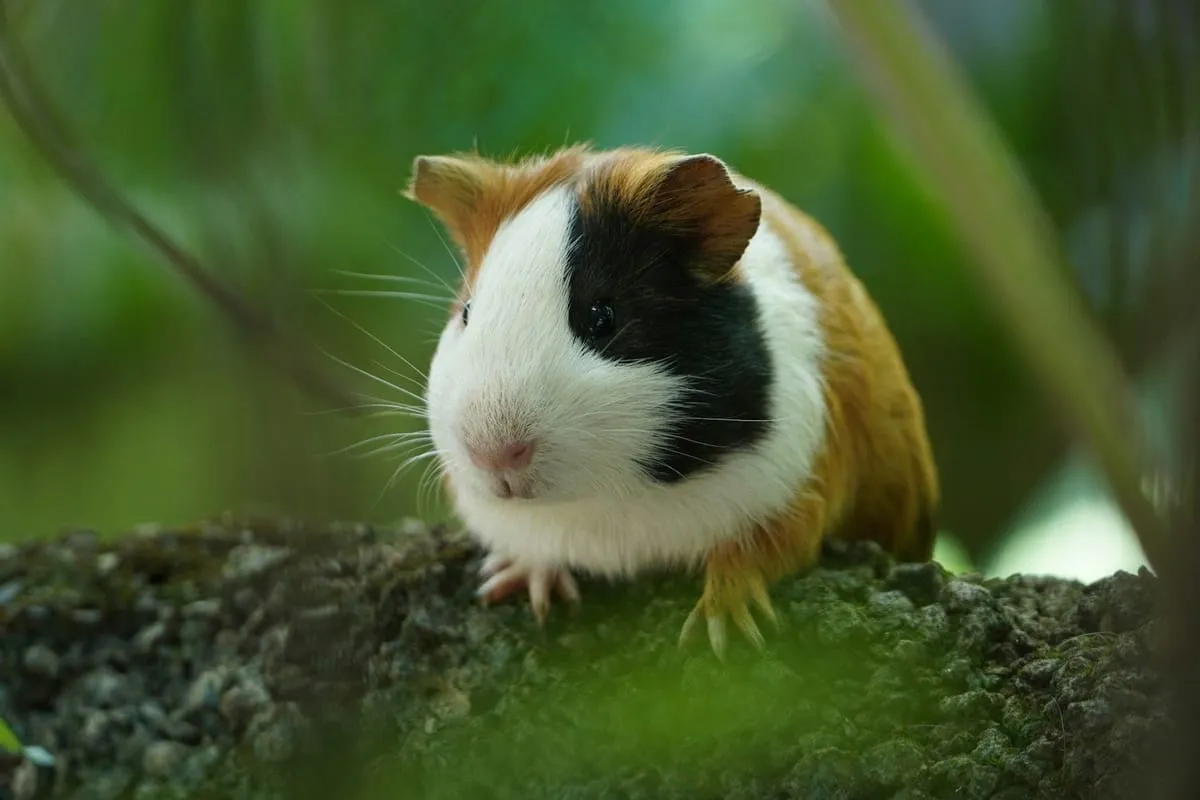
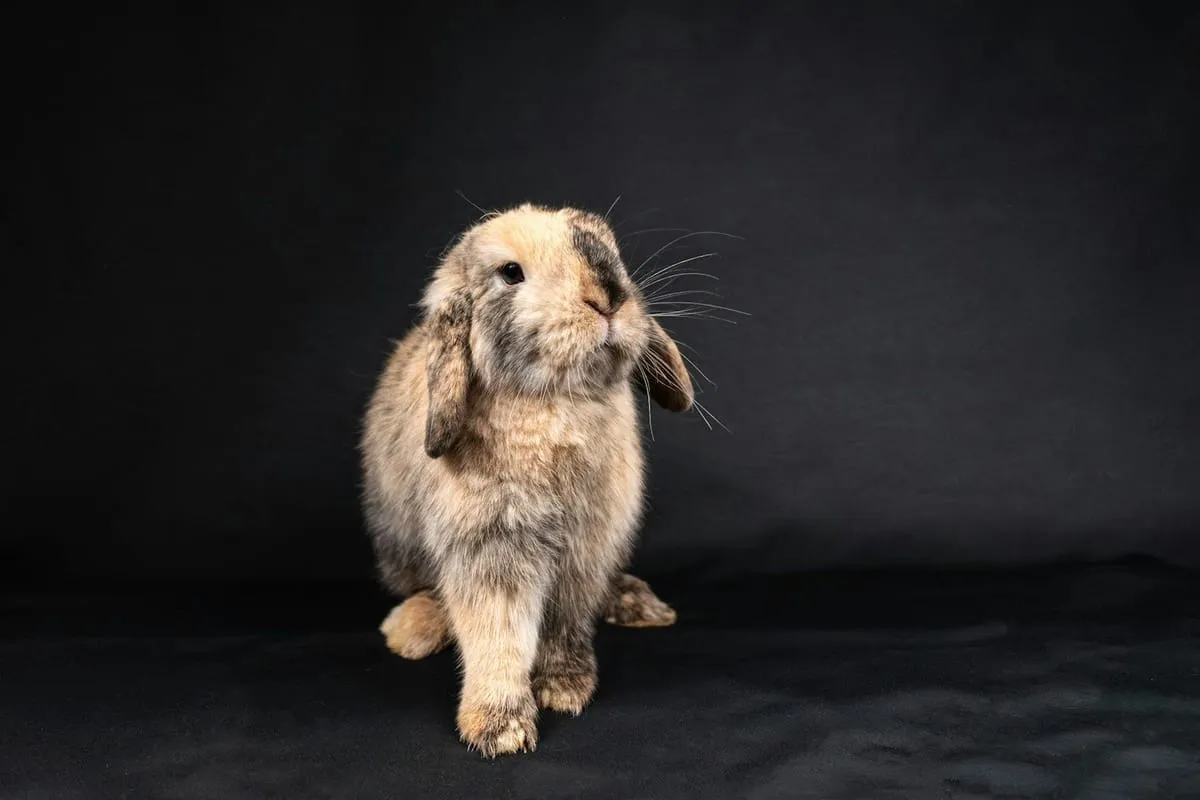
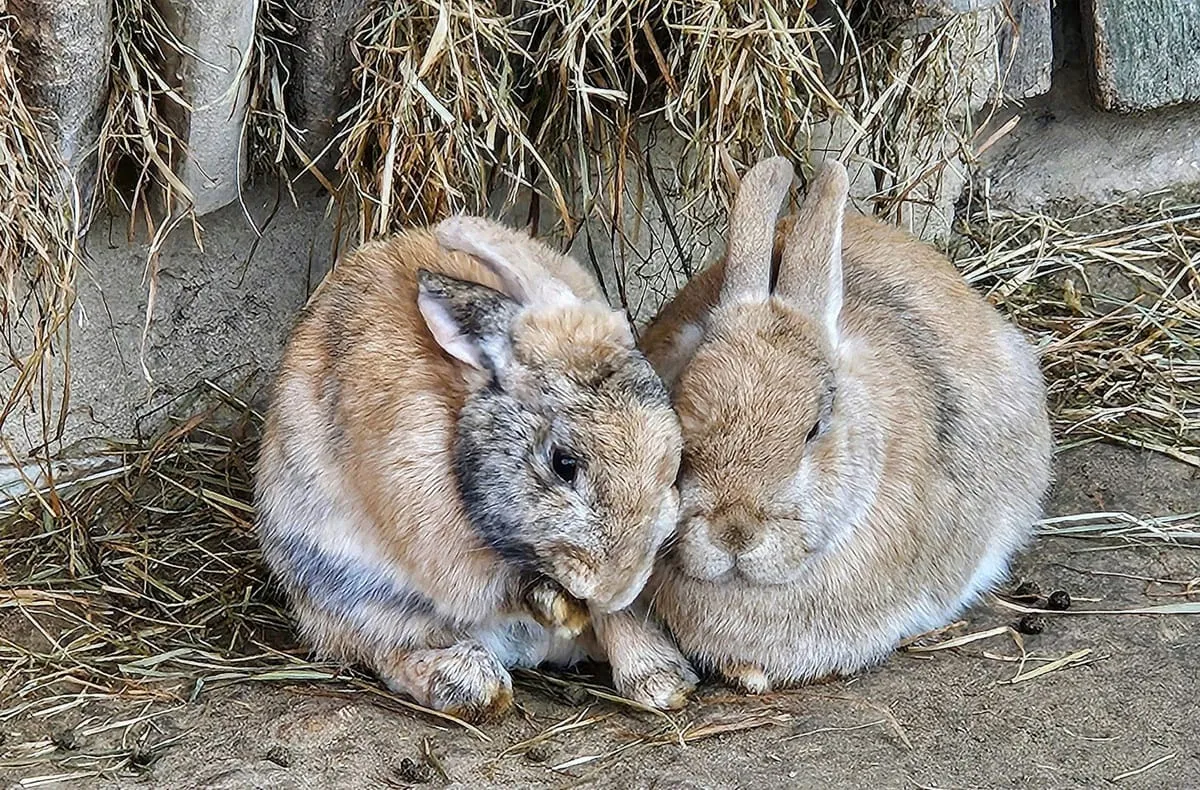
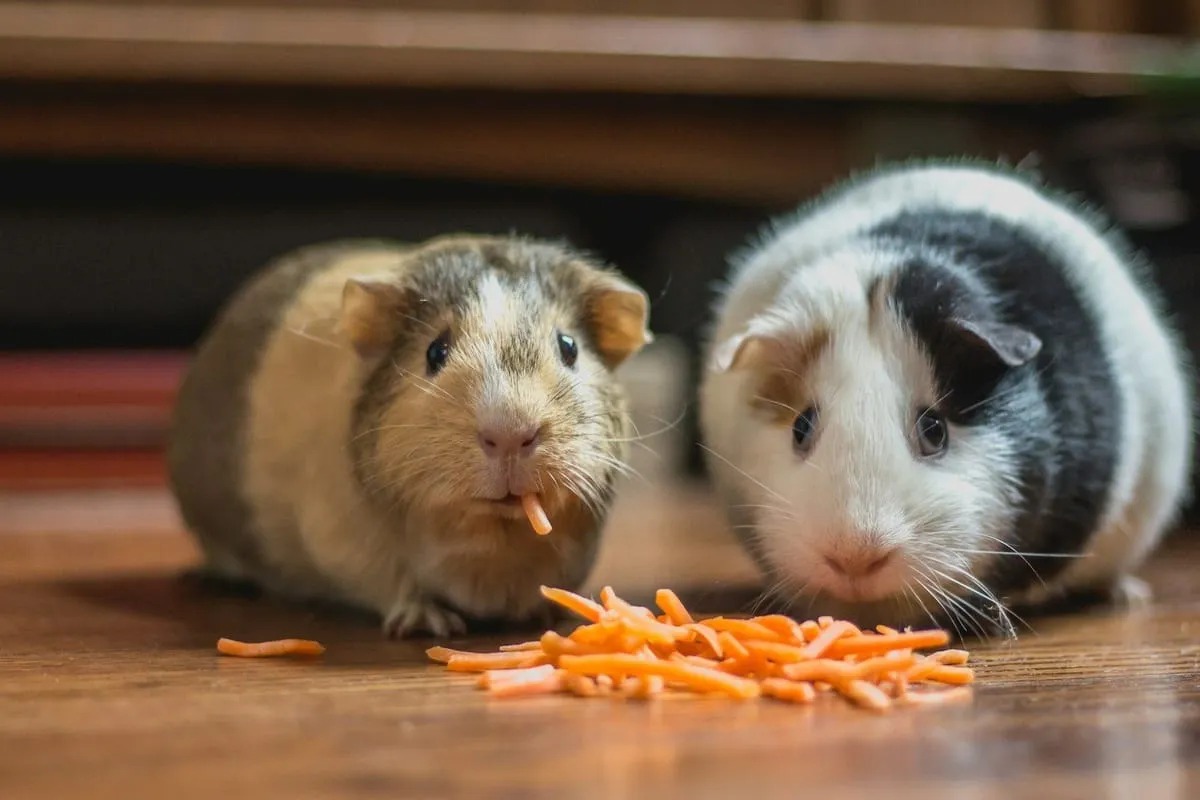
Rabbits are not the simple hutch pets of tradition. They are social, intelligent, long-lived animals, often eight to twelve years, that generally need a companion rabbit, a great deal of space, and a hay-based diet, and many dislike being picked up, so they are not naturally the cuddly pet children imagine. Guinea pigs are gentler, more robust, and often more child-suited, but they too are highly social and should not live alone, and they have that essential daily vitamin C need. Hamsters are solitary, Syrian hamsters in particular must live alone, are nocturnal so are often asleep when children want to play, and can nip if woken or handled roughly, and they live only two to three years. Rats, by contrast, are sociable, clever, and genuinely interactive, often making wonderful pets, but they too need company of their own kind and have a sadly short lifespan. Chinchillas are long-lived, need cool temperatures and dust baths, and are delicate to handle. Each of these is a different animal with different needs, and the “right” small pet depends entirely on which of those pictures fits your home.
The “children’s pet” myth
Because small pets are so often bought for children, it is worth being especially honest about that, since the reality frequently disappoints.
The image of a small pet as a cuddly, low-effort first pet a child can look after largely does not hold up. Many of these animals do not enjoy being handled the way children want, some are nocturnal and asleep during play hours, some nip when frightened, and all of them need consistent, knowledgeable adult care that a child cannot provide alone. That does not mean small pets and children never mix, they can, wonderfully, but it means the adult has to be the real carer and the animal has to be chosen for its actual temperament and needs rather than for a stereotype. A guinea pig pair in a spacious home with an involved adult can be a lovely family pet. A lone hamster bought to teach a young child responsibility, and then largely forgotten, is the sadder and commoner story.
Choose for the animal’s needs, and meet it first
The way to get this right pulls together everything above into a simple approach, and it is the same discipline that makes any pet choice a good one.
Start from the animal’s real needs, diet, space, companionship, lifespan, handling, and honestly match those to what you can provide, rather than choosing on size, price, or cuteness. Favour adopting from a rescue, where the animals often come already assessed and where staff will tell you frankly what a given animal or species needs and steer you away from a poor fit. And whatever you choose, plan the housing and companionship properly before the animal arrives, since these are the things most often shortchanged. Meet the individual too, since even within a species animals vary in temperament.
Choosing a small pet well, in the end, is mostly about respect: seeing these animals as the intelligent, needful creatures they are rather than the disposable starter pets they are marketed as, and matching one to a life that can genuinely meet its needs. Do that, and a rabbit, guinea pig, rat, or hamster can be a delightful companion for its whole life. It just deserves to be chosen with the same honesty and care you would give any other animal, which is more than the “easy first pet” label invites, and exactly what these small animals are owed.
Common questions
- What is the best small pet for a child?
- There is no single answer, and the honest truth is that many small pets are not ideal "children's pets" in the hands-off, cuddly way people imagine. Guinea pigs are often gentler and more robust than hamsters, but all small pets need adult oversight and proper care. Match the animal to the family's real commitment, not to a stereotype.
- Do small pets need to be kept in pairs?
- Many do. Rabbits and guinea pigs are highly social and generally should not be kept alone, since companionship of their own kind is a genuine welfare need. Others, like Syrian hamsters, must live alone. Knowing the social needs of a species before you choose is essential.
- Are small pets low-maintenance?
- Less than people think. They need correct diets, spacious housing, enrichment, companionship for social species, and exotics vet care, and some live a surprisingly long time. They are rewarding but not the effortless, cage-in-the-corner pets they are often sold as.
- How long do small pets live?
- It varies a lot. Hamsters live only two to three years, rats around two to three, guinea pigs five to seven or more, and rabbits often eight to twelve years, as long as a dog. Lifespan is a big part of choosing, since a rabbit is a decade-long commitment.