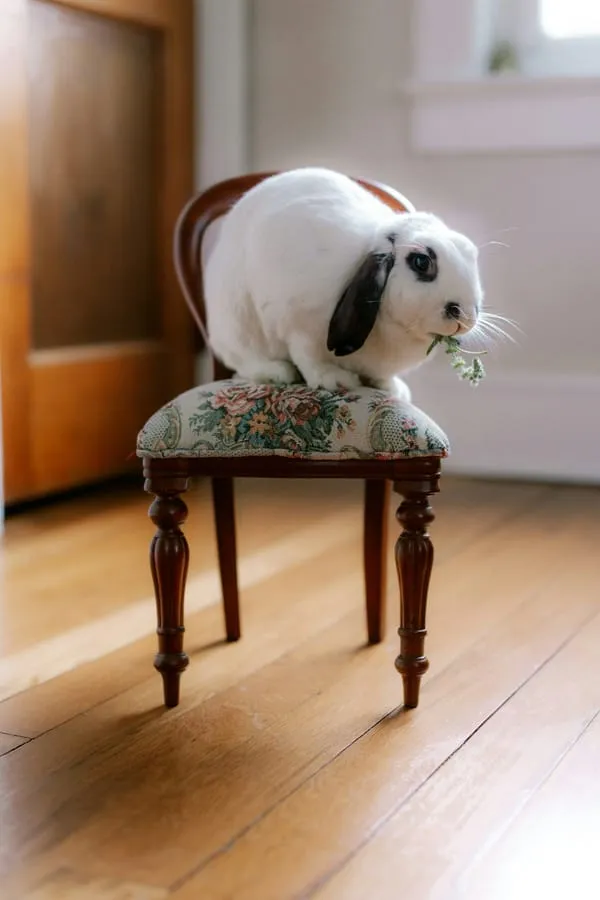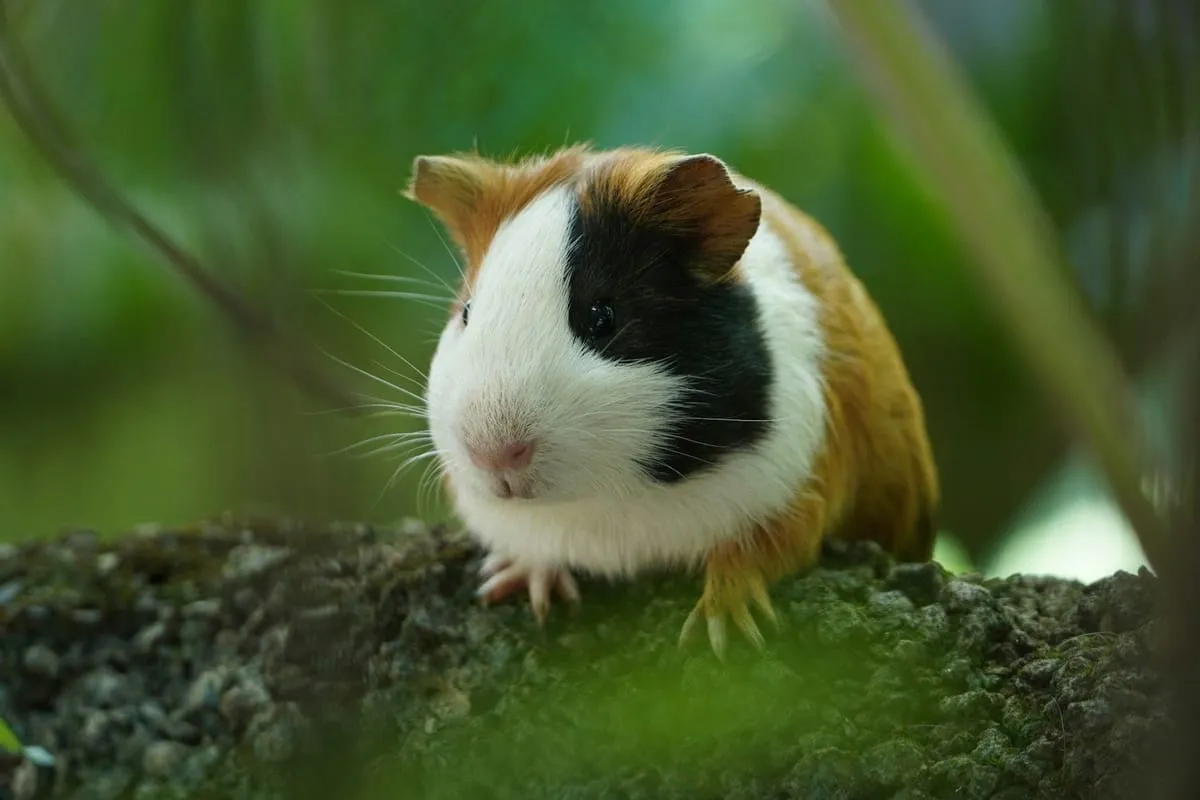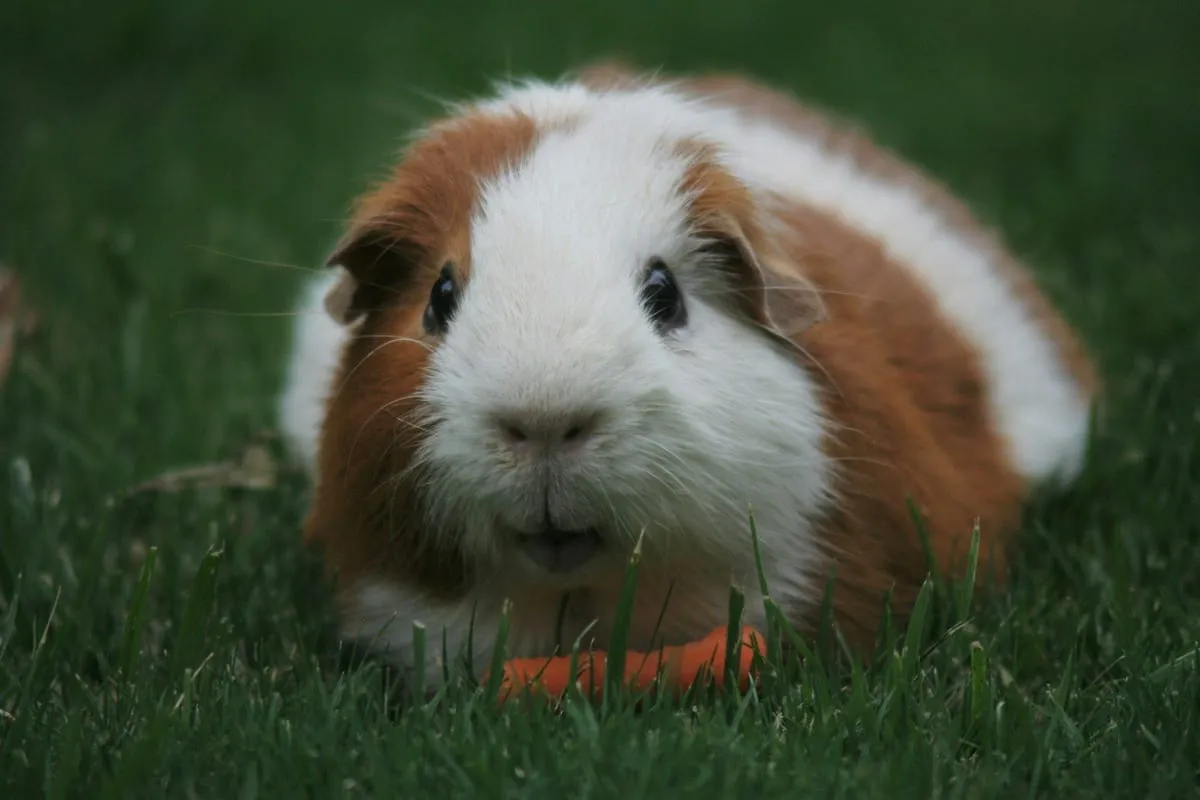
If you take one thing from everything written about feeding small pets, let it be this: for rabbits, guinea pigs, and chinchillas, hay is not the bedding and it is not a treat, it is the single most important food they eat, and it should make up the great bulk of their diet. This runs against how these animals are often sold, with a big bag of colourful mix as the main food and hay as an afterthought, and that get-it-backwards approach is behind a large share of the illness I see in fosters. Understanding why hay matters so much makes the whole diet fall into place.
What hay actually does
To see why hay is non-negotiable, you have to understand the two jobs it does, because they are both matters of life and death for these animals, not just nutrition.
The first job is keeping the gut moving. Rabbits and guinea pigs have digestive systems built to process a constant flow of high-fibre grass, and that long fibre is what keeps everything moving through. When the fibre is lacking, the gut can slow or stop, a condition called gut stasis, which is genuinely life-threatening and can develop frighteningly fast. Unlimited hay is the everyday insurance against that. The second job is dental. These animals have teeth that grow continuously throughout their lives, and the only thing that keeps them worn down to a healthy length is hours of grinding chewing, exactly what eating hay provides. Without it, the teeth overgrow, causing painful dental disease that is one of the commonest and most miserable problems in small pets. So hay is quietly doing two essential jobs at once, and nothing else in the diet replaces either.
That is why the rule is unlimited hay, always available, as the foundation. It is not a portion to ration, it is the thing they should be eating most of, all day.
What the rest of the diet looks like
With hay as the base, the other parts of the diet are the supporting cast, fed in sensible amounts, and getting the proportions right is half the battle.
On top of unlimited hay, a small pet needs a measured daily amount of good-quality pellets, a modest portion rather than a full bowl, and a daily serving of suitable fresh greens and vegetables. The pellets fill in vitamins and minerals, and the fresh food adds variety and moisture, but neither should crowd out the hay. Getting this balance wrong, too many pellets, too little hay, is how small pets end up overweight with bad teeth and touchy guts. A useful mental picture is a plate that is mostly hay, with a small helping of pellets and a handful of greens alongside, rather than the reverse.
The guinea pig exception: vitamin C
Guinea pigs have one extra dietary need that is easy to miss and genuinely serious, and it is worth knowing on its own.
Like us, guinea pigs cannot make their own vitamin C. They have to get it from their food every single day, and without a reliable source they develop scurvy, which is painful and, left unchecked, fatal. This is why guinea pigs need a guinea-pig-specific pellet, which is fortified with stabilised vitamin C, rather than a rabbit pellet, and why vitamin-C-rich vegetables like peppers are so useful for them. Because the vitamin degrades over time in the bag, it is worth buying guinea pig food fresh and using it within a few months, and some owners give an additional supplement. It is a small thing to get right and a serious thing to get wrong, so it is worth building into the routine from the start.
Getting it right from the start
Put together, a good small-pet diet is simpler than the pet-shop shelf suggests, and it is mostly about proportion and consistency.
Give unlimited grass hay as the foundation and the thing they eat most of, add a measured amount of a good uniform pellet, a daily portion of suitable fresh greens, and, for guinea pigs, a dependable daily source of vitamin C. Keep treats tiny and occasional. Do that and you prevent the dental and gut problems that drive so many small-pet vet visits, and covered in the health signs these animals hide. It is not complicated, but it does mean resisting the marketing that makes hay look like the boring afterthought and the colourful mix look like the real food. With these animals, the boring afterthought is the real food, and getting that one thing right does more for their health and their long lives than almost anything else you can do.
Common questions
- Why is hay so important for rabbits and guinea pigs?
- Unlimited grass hay does two vital jobs. The long fibre keeps the gut moving, which is essential because a stopped gut is a life-threatening emergency in these animals, and the constant chewing wears down teeth that grow continuously, preventing painful dental disease. It should be the bulk of the diet, not a side note.
- What should a rabbit or guinea pig eat besides hay?
- A measured amount of good pellets and a daily portion of suitable fresh greens and vegetables, around a foundation of unlimited hay. Guinea pigs also need a daily source of vitamin C, which they cannot make themselves. Treats should be tiny and occasional.
- Are muesli-style mixes bad for small pets?
- Yes, generally. Muesli mixes let the animal pick out the sugary, fatty bits and leave the healthy parts, which causes selective feeding, obesity, and dental and gut problems. A uniform pellet, fed in a measured amount alongside unlimited hay, is far better.
- Why do guinea pigs need vitamin C?
- Like humans, guinea pigs cannot make their own vitamin C and must get it from their diet every day, or they develop scurvy, which is painful and eventually fatal. A guinea-pig-specific pellet plus vitamin-C-rich vegetables, and sometimes a supplement, covers this need.