One of the most important things to understand about rabbits and guinea pigs is that they are deeply social animals, not solitary ones, and keeping them alone is a genuine welfare problem rather than a neutral choice. In the wild they live in groups, and a lone rabbit or guinea pig often becomes lonely, bored, and withdrawn. So companionship of their own kind is something these animals genuinely need. The catch is that you cannot simply put two strangers together and expect friendship, because introductions can go badly wrong, sometimes with serious fighting. Bonding a pair successfully is very achievable, but it takes the right approach, patience, and an understanding of how these animals work.
Why they need company of their own kind
Before the how, it is worth being clear on the why, because it shapes how seriously you take getting it right.
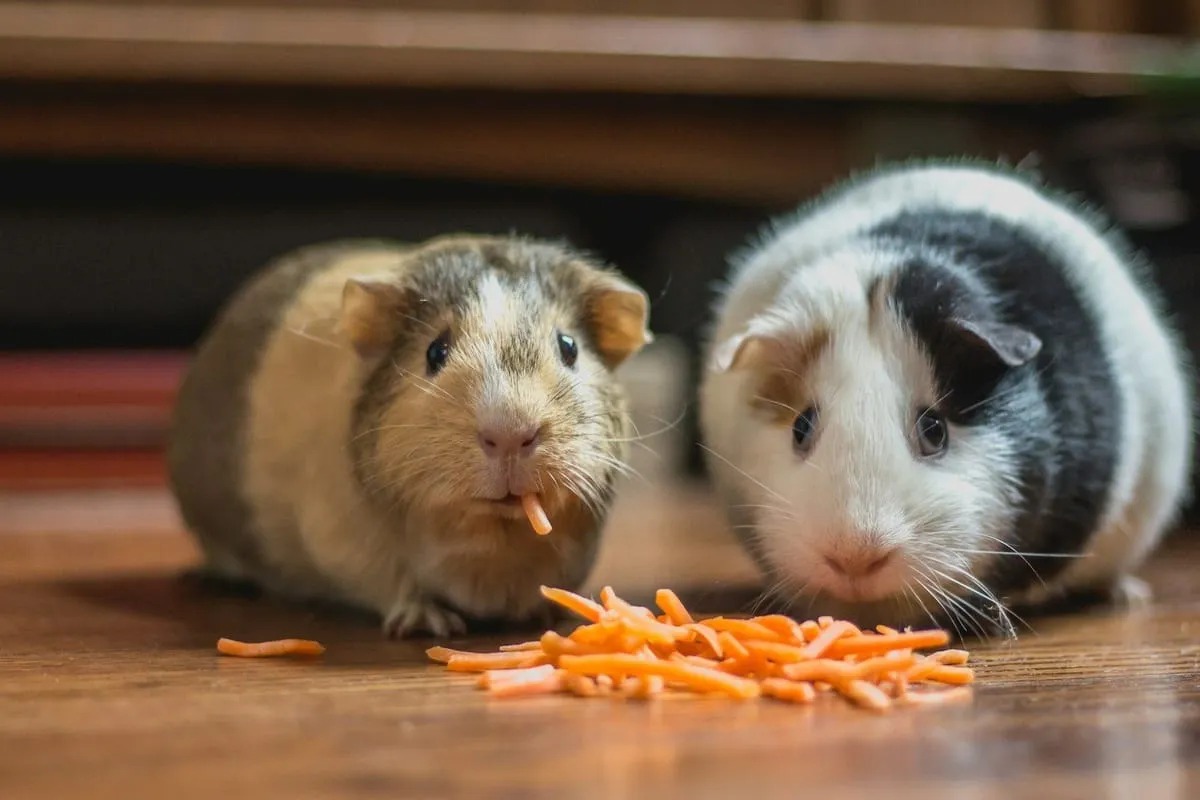
Rabbits and guinea pigs are herd and warren animals, evolved to live alongside others of their species, grooming, feeding, resting, and staying alert together. That social contact is not a luxury for them but part of their basic wellbeing, and a solitary animal misses something real. A bonded pair or group will often be visibly happier, more relaxed, and more active than a lone animal, and the companionship provides a kind of security and enrichment that human attention, however devoted, cannot fully replace. This is why keeping these animals singly is increasingly regarded as poor welfare, and why so much good small-pet care starts with the assumption that they will have a companion. The exception is the occasional individual that genuinely cannot be bonded with another, which then needs a great deal of extra human company and enrichment to compensate.
Neutering and choosing a match
Two things set the stage for a successful bond before the introductions even begin, and skipping them causes many bonding failures.
For rabbits, neutering is usually essential before bonding. Unneutered rabbits are driven by hormones that fuel both fighting and unwanted breeding, and attempting to bond entire rabbits often ends badly. Neutering calms these drives and makes stable, lasting bonds far more achievable, so it is a normal part of preparing rabbits for companionship. The pairing itself also matters: some combinations tend to work more easily than others, and a good rescue can help you choose animals with a reasonable chance of getting along, or even offer a bonding service where they match your animal with a compatible companion and do the introduction with experienced help. Starting with neutered animals and a sensible match, rather than just acquiring a second animal and hoping, hugely improves the odds.
Introduce slowly, on neutral ground
The introduction itself is where patience is everything, and the single most important principle is that it must happen gradually and on neutral territory.
Never simply put a new animal into the existing one’s cage, because to the resident that is an intruder in its own territory, which provokes exactly the aggression you want to avoid. Instead, introduce the pair on neutral ground that neither regards as its own, a space that is new to both, so there is no territory to defend. Begin with short, closely supervised sessions, watching the animals’ body language carefully, and build up gradually over days or, often, weeks. Let them get used to each other’s presence and scent in stages. Some early chasing, mounting, or minor squabbling as they sort out their relationship can be normal, but you need to be there to intervene if it escalates. This slow, neutral-ground approach gives the animals the chance to become familiar and establish a peaceful hierarchy without the flashpoint of territory, which is what makes a lasting bond possible.
Keeping the bond, and when it breaks
Finally, a successful bond is not always permanent, and knowing how to protect it, and what to do if it fails, completes the picture.
Once bonded, a pair should be kept together, since separating bonded animals, even briefly for something like a vet visit, can sometimes unsettle the bond, so it is often best to take both together. Bonds can occasionally break down, particularly if the original introduction was rushed, if territory becomes an issue, or around hormonal factors in animals that were not neutered, and a previously happy pair can start fighting. If that happens, separate them safely to prevent injury and, usually, restart the bonding process more slowly on neutral ground, seeking advice on neutering and technique. It can be disheartening, but many broken bonds can be rebuilt with patience, and the effort is worth it for animals whose wellbeing depends so much on companionship.
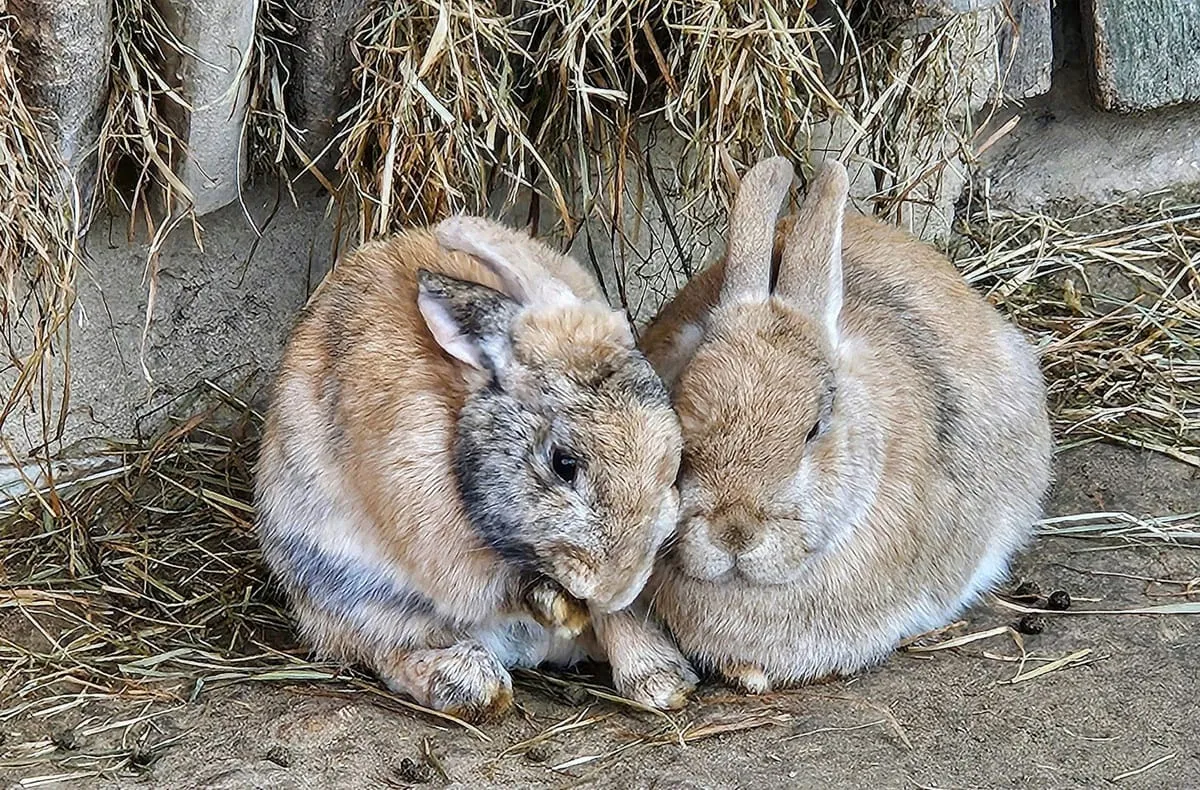
Bonding rabbits or guinea pigs well, then, comes down to respecting their social nature and giving the process the care it needs: pair them with their own species, neuter rabbits first, choose a sensible match, and introduce them slowly on neutral ground while reading their behaviour and being ready to get help. Done properly, you give these animals the companionship they genuinely need, and there are few nicer things in small-pet keeping than watching a newly bonded pair settle down to groom and doze side by side, which is exactly the life these sociable little animals are meant to have.
Common questions
- Do rabbits and guinea pigs need a companion?
- Rabbits and guinea pigs are highly social and generally should not live alone, as companionship of their own kind is a genuine welfare need. A lone rabbit or guinea pig often becomes lonely and depressed. The main exception is where an individual genuinely cannot be bonded, which needs extra human attention instead.
- Should I keep rabbits and guinea pigs together?
- No, rabbits and guinea pigs should not be housed together as companions. They have different needs and communicate differently, a rabbit can injure a guinea pig, and neither meets the other's social needs. Each should have a companion of its own species.
- How do I introduce two rabbits or guinea pigs?
- Introduce them gradually on neutral territory neither sees as its own, in short supervised sessions, watching body language and building up over days or weeks. Never just put two strangers together in one's cage. Neutering is usually essential for rabbits before bonding.
- Why did my rabbits start fighting after getting along?
- Bonds can break down if introductions were rushed, if territory is involved, or around hormones in unneutered animals. Serious fighting means separating them safely and, usually, restarting the bonding process more slowly on neutral ground, often with veterinary and neutering advice.