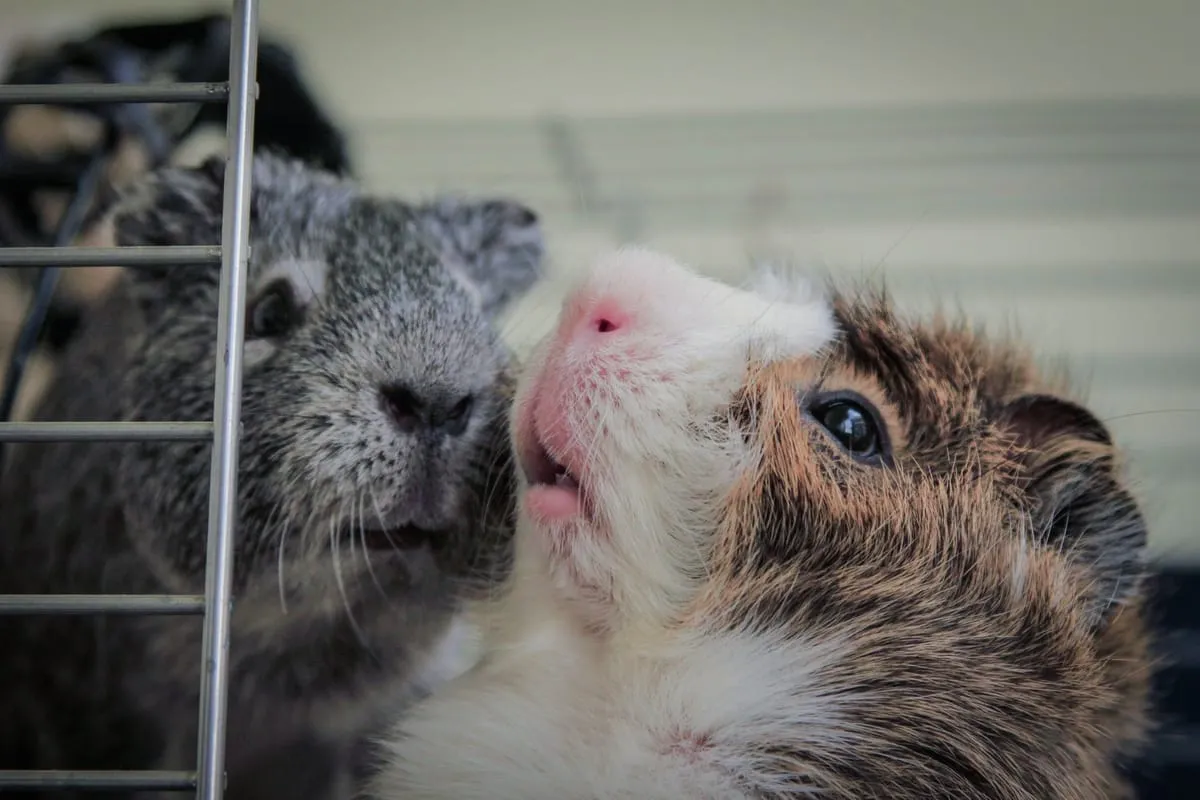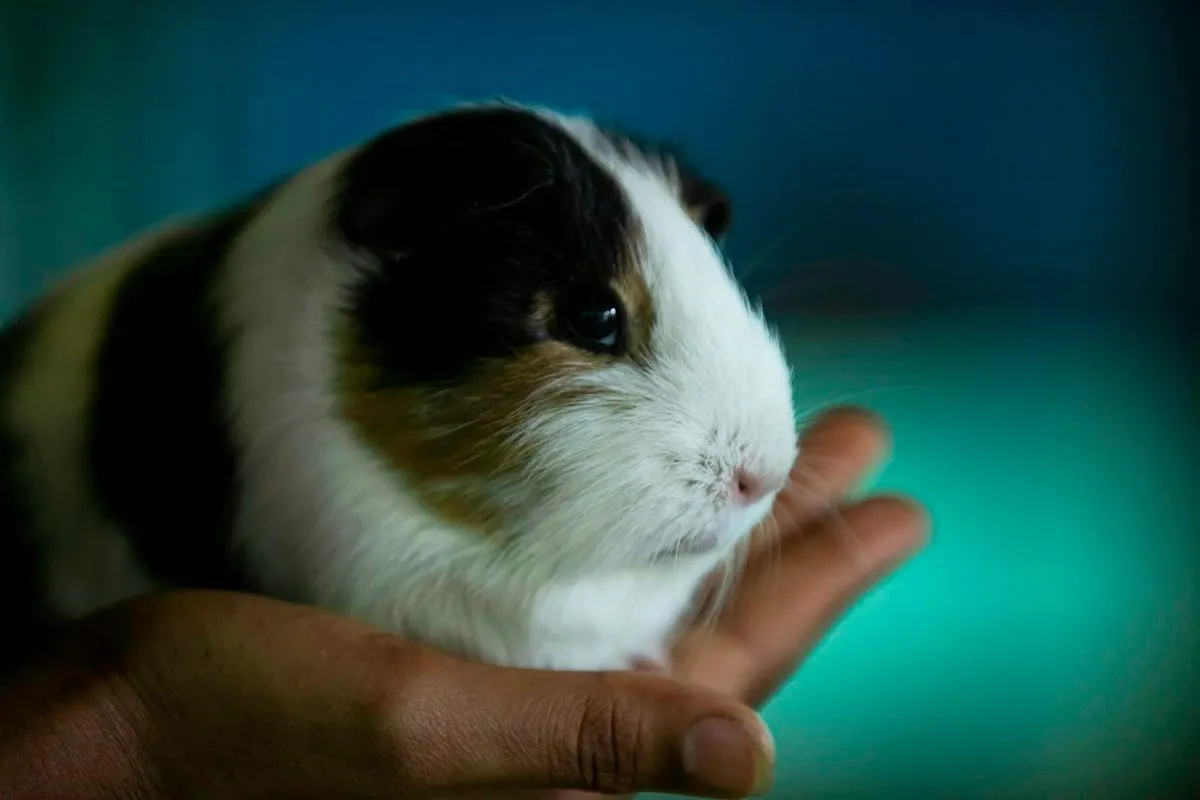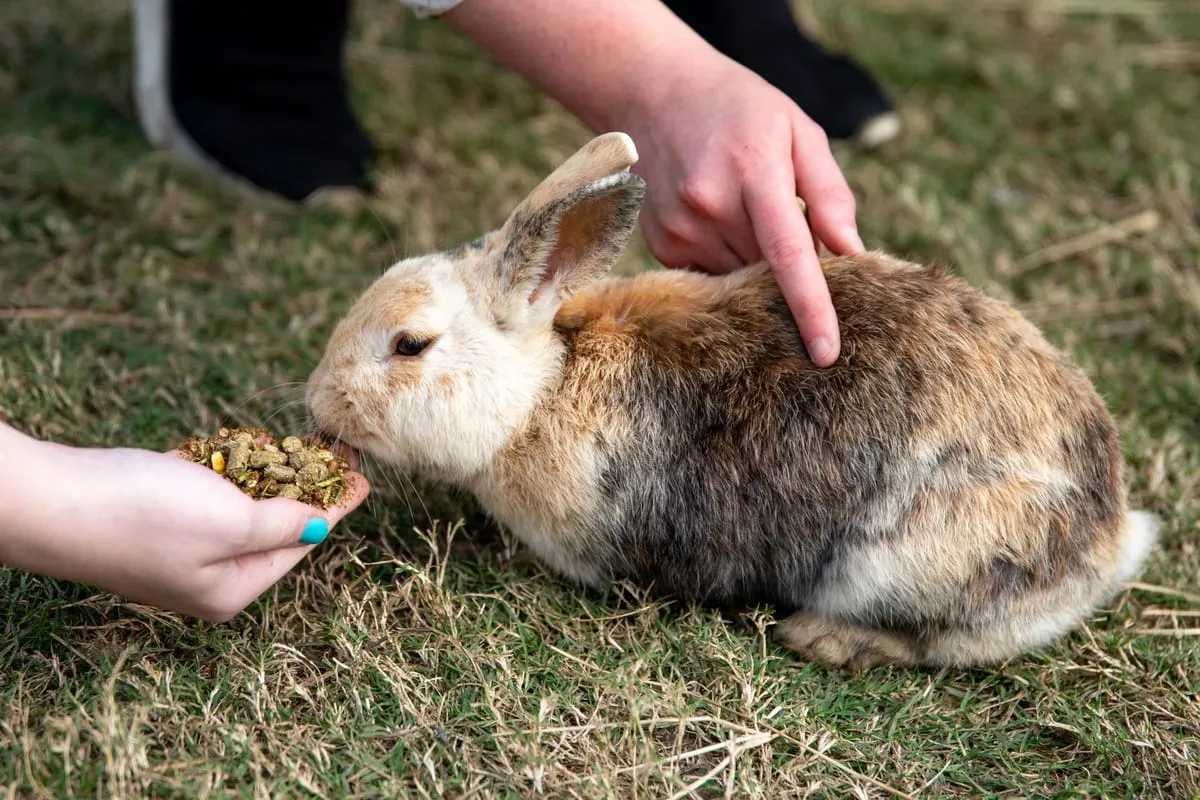
Yes, both rabbits and guinea pigs can be clicker trained, and for a prey animal that would rather not be picked up, chased, or scruffed, it is one of the most useful things you can teach. Clicker training lets you ask for a behaviour and reward it without ever laying a hand on the animal, which matters a lot for species whose instinct is to see being grabbed as a predator attack rather than affection.
Why it works so well for prey animals
Rabbits and guinea pigs do not read human intentions the way a dog does, and being picked up, however gently meant, can register as exactly the kind of restraint a wild prey animal spends its whole life avoiding.
A clicker sidesteps that problem entirely. It marks the precise instant your rabbit or guinea pig did the right thing, a treat follows, and over repetitions the animal learns to offer that behaviour again because it pays off, all without you ever needing to reach in and physically move them. That matters beyond party tricks. A rabbit that will hop onto a scale, into a carrier, or hold still for a quick once-over because it has learned that doing so earns a reward is a rabbit spared a lot of the chasing and grabbing that otherwise makes vet visits and health checks stressful for both of you.
Getting started: charging the clicker
Before you ask for any behaviour, your rabbit or guinea pig needs to learn that the click itself means a treat is coming, something trainers call charging the clicker.
Sit near the enclosure with a handful of a favourite treat cut into small pieces, click once, and immediately give a piece. Repeat this ten or fifteen times over a couple of short sessions, with no expectation of any particular behaviour yet, just click, then treat, every time. You will usually see the shift happen, your pet’s ears or head turning toward you the moment it hears the click, anticipating the treat. That response is the sign the clicker is charged and you can move on to actually asking for something.
Target training: the one skill worth teaching first
Target training, teaching your pet to touch its nose to a stick or your finger, is the single most useful clicker skill because almost everything else builds on it.
Hold a chopstick or a purpose-made target stick a short distance away. Most rabbits and guinea pigs will investigate anything new by sniffing it, and the moment the nose touches the target, click and treat. Repeat, gradually moving the target so your pet has to take a step or two to reach it. Once that is reliable, the target becomes a steering tool, you can lead your rabbit into a carrier, onto a scale, or away from a spot it should not be, all by moving the target rather than moving your pet.
What is realistic for each species
Rabbits generally take to clicker training faster and go further with it than guinea pigs, and it helps to know that going in rather than expecting identical results.
Most rabbits, once the clicker is charged, learn target training within a handful of sessions and can build up to recall, spinning, or hopping through a hoop for owners who want to take it further. Guinea pigs can learn simple associations too, coming toward a sound or a target for a treat, but they tend to be less driven by training food rewards than rabbits and more prone to freezing or bolting at anything sudden, so sessions need to stay shorter, calmer, and with lower expectations. A guinea pig that reliably comes to you at a sound cue for a treat is a genuine, useful win, even if it never learns a trick beyond that.
Keeping sessions short and reading the room
Two or three minutes, once or twice a day, beats one long session, especially early on.
Rabbits and guinea pigs tire of concentrating faster than a dog would, and a session that drags on past the point of interest teaches frustration rather than the behaviour you want. End on a success, even a small one, rather than pushing for one more repetition. If your pet turns away, thumps, or retreats to its hideout during a session, that is a clear signal to stop for now, not a training failure to push through, and it is worth reading the wider signs your rabbit or guinea pig gives when it is hiding or nipping if that becomes a pattern rather than an occasional off day.
Clicker training a rabbit or guinea pig is not about teaching tricks for their own sake, it is a genuinely practical way to get cooperation from an animal whose instincts are working against being handled. Start with charging the clicker, build to a simple target, keep sessions short, and stay realistic about the gap between what a confident rabbit and a more cautious guinea pig will each achieve. For the diet that keeps training rewards from crowding out what actually matters, see our guide to why hay is the most important food, since training treats should stay a small extra, not a replacement for it.
Common questions
- Can rabbits really be clicker trained?
- Yes, and rabbits tend to pick it up well once the clicker is properly charged. They learn target training, recall to a spot, and simple tricks like spinning or hopping through a hoop. Progress depends a lot on the individual rabbit's confidence and how motivating you can make the treats, but most rabbits make visible progress within a couple of weeks of short daily sessions.
- Are guinea pigs harder to clicker train than rabbits?
- Generally yes. Guinea pigs can learn simple associations, coming to a target, approaching a sound for a treat, but they are typically less food-driven for training purposes and more easily startled than rabbits. Keep expectations modest with guinea pigs, useful outcomes like calm handling and coming when called are realistic, elaborate tricks usually are not.
- What clicker should I use for a small prey animal?
- A quiet clicker, or even a soft tongue-click or a word said the same way each time, works better than a standard loud dog-training clicker for rabbits and guinea pigs. A sudden sharp sound can spook a prey animal enough to undo your progress. Muffling a clicker in a pocket, or using a retractable pen's soft click, is a common fix.
- What should I do if my rabbit or guinea pig will not take treats during training?
- A small pet that has gone off treats it normally likes is not just being difficult, it is a common early sign of dental pain or gut trouble, both of which affect appetite before much else changes. Stop the session and check hay intake and droppings, and see a vet promptly rather than assuming training is the problem.