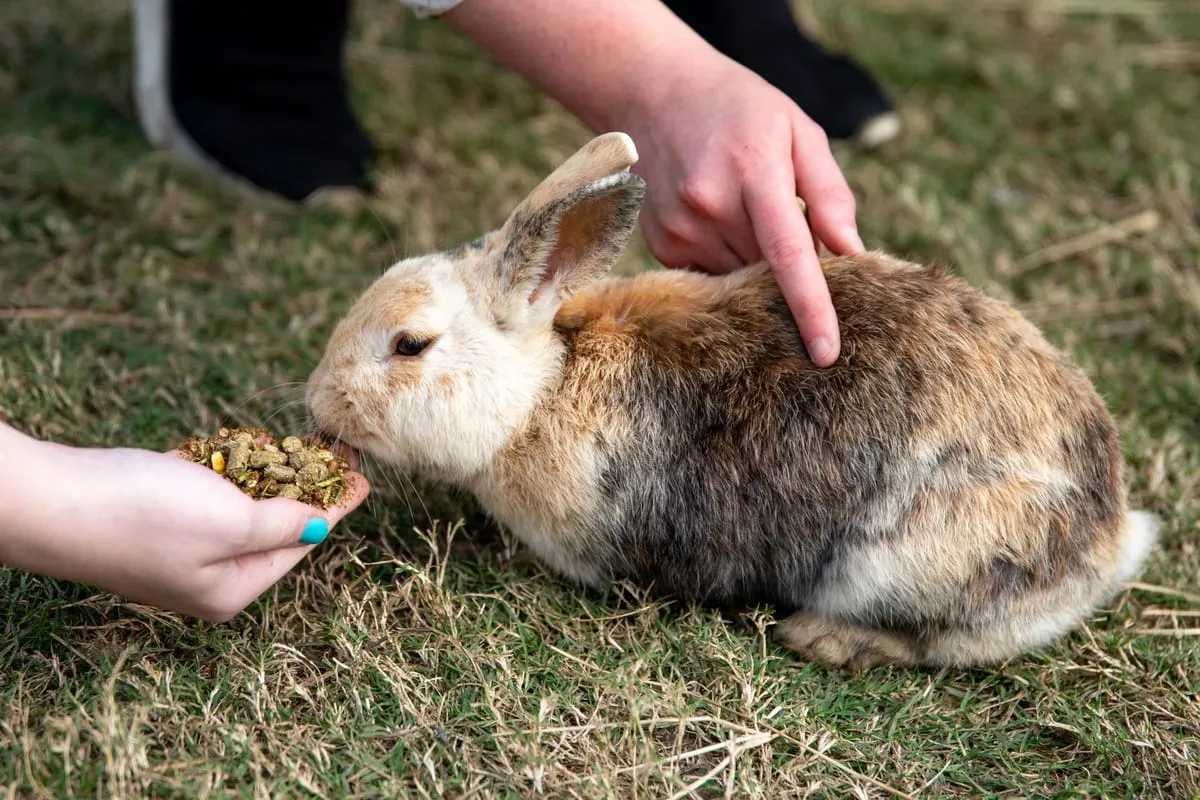
Rabbits and guinea pigs are not naturally house-trained the way a puppy can be, but rabbits in particular already have a habit that makes training possible: most pick one or two favourite corners to use as a toilet, wherever they are kept. Litter training is mostly a case of noticing where that corner already is and putting a tray there before the animal picks somewhere less convenient. Guinea pigs are a different story, and it helps to know that going in rather than expecting the same result.
Why rabbits take to it and guinea pigs mostly do not
Wild rabbits use shared latrine spots as part of how they mark territory, and pet rabbits carry the same instinct. Left to roam a room or a large enclosure, a rabbit will usually settle on a corner, often the one furthest from where it eats and sleeps, and use it consistently. That built-in habit is what makes litter training realistic rather than a fight against nature.
Guinea pigs do not have the same instinct. They tend to drop droppings fairly evenly as they graze and move around, rather than choosing one toilet spot, which is normal grazing behaviour and not a sign that something is wrong. Some guinea pigs do learn to use a tray reasonably well, especially if it holds their hay, but expecting the same reliability you would get from a rabbit usually leads to disappointment. For guinea pigs, a tray is worth trying because it cuts down mess, but it is a bonus, not something to count on fully working.
Setting the tray up right
A tray that is placed and filled well does most of the work before any actual training happens.
Start by watching where your rabbit or guinea pig already tends to go, then put the tray there rather than somewhere tidier that suits you better. A corner tray fits neatly into an enclosure corner and is easier for a rabbit to back into than a flat pan. Line it with a safe litter, and put a layer of hay on top or in a rack right over the tray, since rabbits like to eat while they toilet and having both in one place makes the tray the obvious spot to linger. If you have more than one favoured corner, it is fine to add a second tray rather than forcing everything into one.
Litter choice matters for safety, not just mess control. A paper-based pellet or recycled-paper litter is the standard safe option. Avoid clumping clay cat litter entirely, since a curious nibble can cause a dangerous intestinal blockage, and skip pine or cedar shavings too, as the oils they give off are linked to respiratory and liver problems in small animals over time with regular exposure.
Making the habit stick
Once the tray is in the right spot with the right litter, a bit of simple reinforcement speeds things along.
For the first week or two, leave a few droppings from around the cage in the tray rather than cleaning every single one away immediately, since the scent helps confirm to your rabbit that this is the right spot. If you are litter training during supervised free-roam time outside the enclosure, start with a small, blocked-off area with a tray in it rather than the whole room at once, and only expand the space as accidents drop off. A treat or a bit of praise when you catch your rabbit using the tray helps, though most of the progress comes from the setup rather than active training sessions.
Clean the tray at least daily. A tray that smells strongly or is left dirty is one a rabbit will avoid, undoing progress you have already made. Full litter changes every few days, more often for guinea pigs given how much they graze and drop, keep the habit worth keeping.
When accidents keep happening
Occasional stray droppings, especially from a guinea pig, are normal and not worth chasing. Persistent accidents outside the tray from a rabbit that was previously doing well are worth taking seriously rather than dismissing as stubbornness.
Check the basics first: is the tray still in the spot your rabbit prefers, is it clean, and is there enough room to turn around and settle in it comfortably. A tray that has been moved to a more convenient corner for you, rather than the one your rabbit chose, is a common and fixable cause. If everything about the setup looks right and a previously reliable rabbit suddenly starts going elsewhere, or seems to strain, or you notice blood, treat it as a reason to see a vet rather than a training problem, since pain, a urinary tract issue, or arthritis that makes reaching the tray uncomfortable can all show up this way first.
Litter training a rabbit is usually a case of working with a habit that is already there: find the corner, put a tray in it, keep it clean, and stay patient while the change beds in. Guinea pigs are worth a try but rarely worth the same expectations, so a tray that just cuts down mess is a genuine win with them. Either way, the diet doing the real work behind healthy droppings is the same one covered in why hay is the most important food, so a tray is only ever half the picture.
Common questions
- Can rabbits and guinea pigs actually be litter trained?
- Rabbits generally can, and most learn well because they tend to pick one or two corners as a toilet on their own, which you are really just formalising with a tray. Guinea pigs are less reliable. Some pick up the habit, many never fully do, and scattering droppings while grazing is normal for them rather than a training failure.
- What litter is safe to use?
- Paper-based pellet or recycled-paper litter is the safe choice. Never use clumping clay cat litter or softwood shavings like pine or cedar, since clumping litter can cause a dangerous blockage if eaten and the oils in pine and cedar shavings can harm the respiratory system and liver over time.
- Why does my rabbit keep going outside the tray?
- An unneutered or unspayed rabbit is the most common cause, since intact rabbits are strongly driven to mark territory and often will not reliably litter train until they are fixed. A tray that is too small, in the wrong spot, or not cleaned often enough will also push a rabbit to go elsewhere. A sudden change in a previously reliable rabbit is worth mentioning to a vet, since pain or a urinary problem can be behind it.
- How long does litter training take?
- A rabbit that already favours a corner can be fairly reliable within a couple of weeks of a tray going in the right spot. Full-cage or full-room reliability, especially in a young or unneutered rabbit, can take a few months. Guinea pigs, if they get there at all, tend to take longer and stay less consistent.