Ear cleaning is one of those jobs owners either do far too often or never do at all, and both camps usually think they are doing the right thing. The honest answer sits in an awkward middle: a healthy dog’s ear is a self-cleaning system that resents interference, and a troubled ear usually needs a vet rather than a bottle. Knowing which one is in front of you is most of the skill.
Most ears do not need you
The canine ear canal is L-shaped and lined with cells that migrate outward, carrying wax and debris up and out on their own.
Left alone, a normal ear handles this perfectly well. That is why a dog with upright ears, good airflow and no allergies can go a whole life without a cleaner ever coming near it, and be entirely healthy. The wax you can see a little of at the opening is not dirt, it is the ear working. Scrubbing it out weekly because it looks untidy removes a protective barrier and irritates the skin, and irritated skin in a warm dark tube is precisely how infections start.
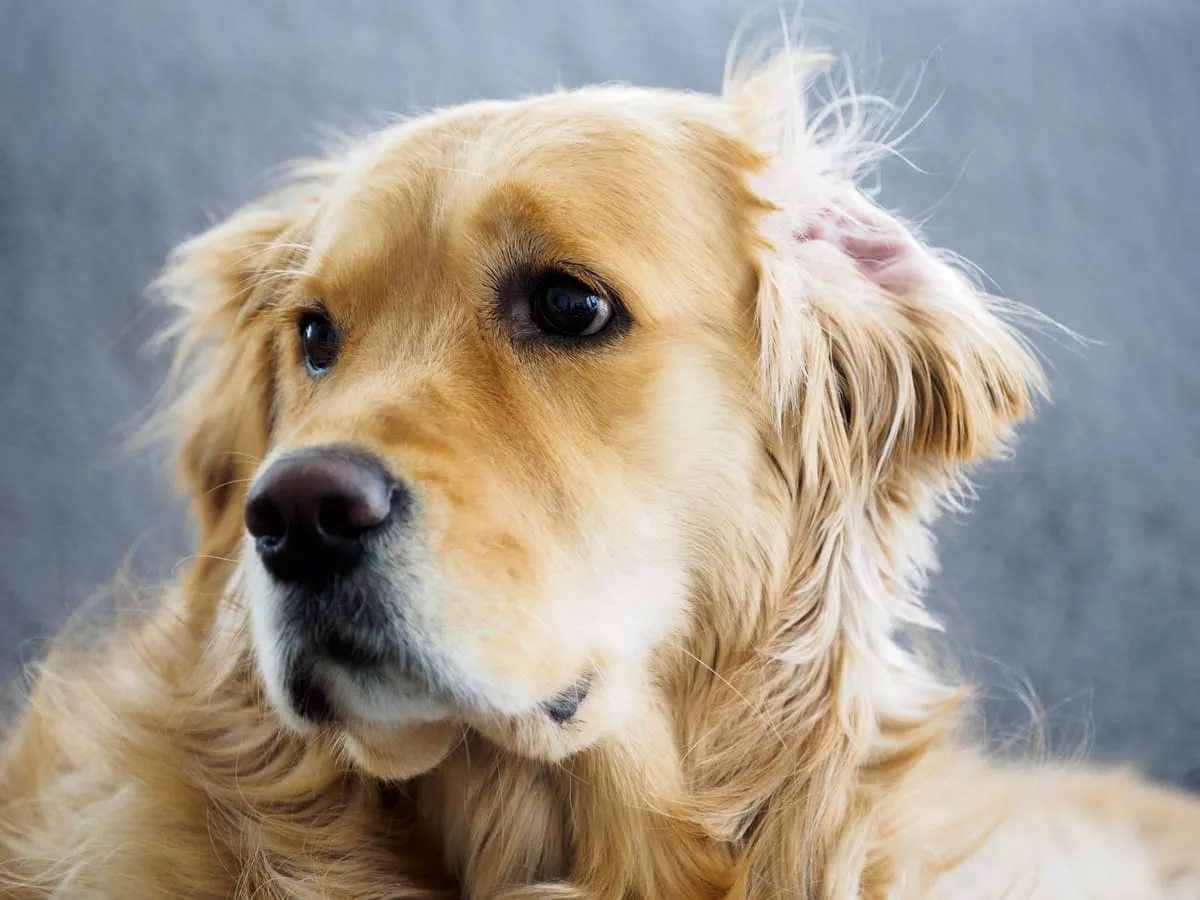
So the first question is not how to clean, it is whether to. Cleaning earns its place when there is genuine build-up, when your vet has asked you to as part of a treatment plan, or when your dog’s shape and lifestyle stack the odds against it: heavy drop ears, hairy or narrow canals, a swimmer, or an allergy dog. Those ears often do need regular help.
Look before you touch
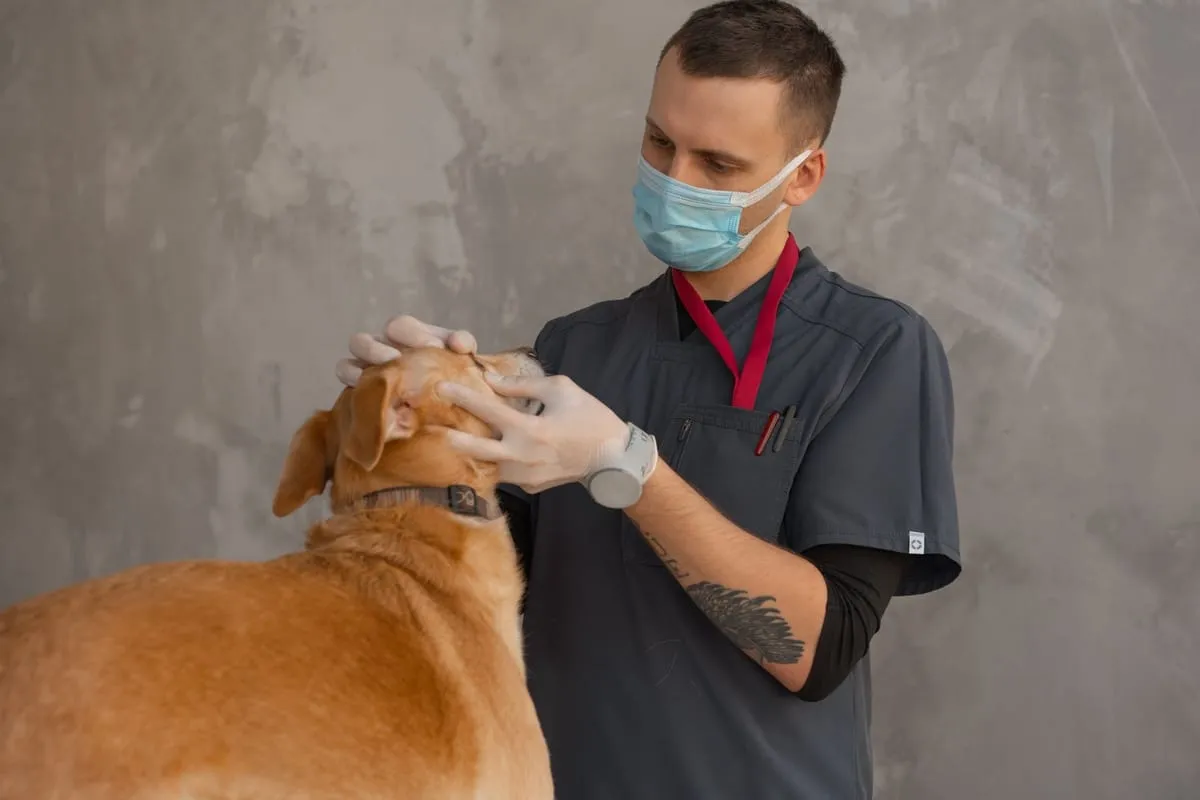
Lift the flap in good light and use your nose as much as your eyes.
A healthy ear is pale pink, cool, and smells of very little. Pale wax at the entrance is fine. What you are checking for is redness, heat, swelling, dark coffee-ground or yellow discharge, a smell like old bread or something sour, or a dog that pulls away when you go near. Any of that means put the bottle down. You are no longer looking at a cleaning job, and cleaner poured into an inflamed or ulcerated ear stings badly and teaches your dog to hate having its head touched, which makes the vet’s job harder next week.
The technique, once you have decided it is warranted
The whole thing takes about a minute per ear and the order matters.
Use a proper veterinary ear cleaner, at room temperature, with your dog somewhere it feels secure. Lift the ear flap gently to open the canal, fill it generously with cleaner, and do not be shy about the amount, as a mean squirt just wets the top. Then massage the base of the ear for twenty or thirty seconds. You should hear a squelch, which is the sound of the solution breaking up debris deep in the L-bend where your fingers will never reach.
Now stand back and let your dog shake, because the shake is doing the actual work of bringing softened debris up and out. Only then wipe the visible parts, the flap and the entrance, with cotton wool or a soft cloth wrapped over your finger. Go no deeper than your finger will comfortably reach. Nothing narrow, nothing pointed, and no cotton buds, which push material down and can damage the drum.
Finish with something your dog enjoys. Ear handling is a lifelong requirement for a lot of dogs, and the ones who tolerate it well are almost always the ones who were paid properly for it early on, the same principle that makes nail clipping survivable.
When cleaning is not the answer
The dogs I see with chronic ear trouble are rarely dirty. They are itchy.
Allergies drive the large majority of recurrent ear infections, and the ear is often simply the loudest part of a whole-body problem. If your dog is also chewing its paws, rubbing its face, or generally scratching more than it should, the ears are a symptom and treating them in isolation will keep you on a loop of drops that work and then stop working. Water is the other big one, so dogs that swim benefit from a drying cleaner after a session rather than a general scrub.
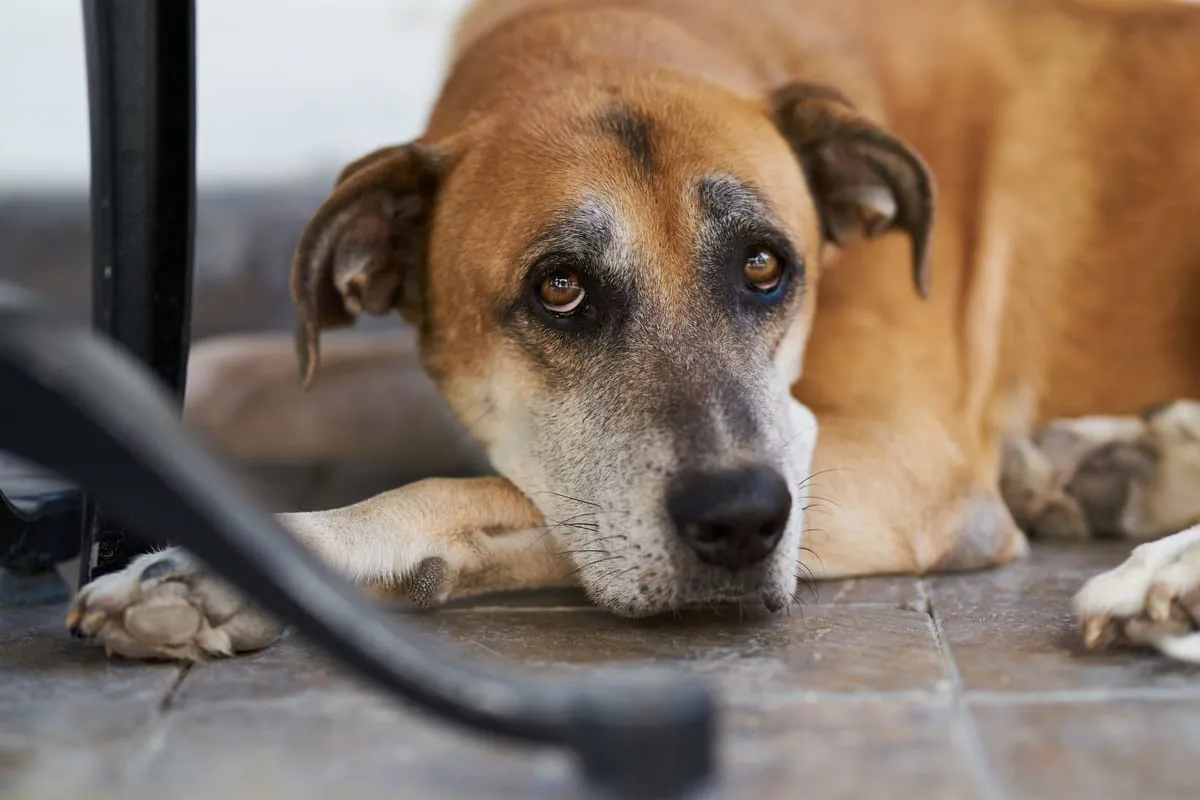
There is also a pain dimension that gets missed. Ear infections genuinely hurt, and a dog with a sore ear may not tell you in an obvious way. Going quiet, going off food, becoming touchy about the collar or the head, or sleeping oddly can all belong to the same picture as the other signs your dog is in pain. If your dog’s ears keep coming back, ask your vet what is underneath rather than which cleaner to buy.
Common questions
- How often should I clean my dog's ears?
- Far less often than most people assume. A healthy dog with upright ears and no history of trouble may never need it, because a normal ear cleans itself. Once a month is plenty for most dogs that do need help, and dogs with floppy ears, narrow canals, allergies or a swimming habit may need it every week or two. Cleaning ears that do not need cleaning is not a neutral act, since it strips the natural protective layer and can irritate the canal into exactly the infection you were trying to prevent.
- What can I use to clean my dog's ears at home?
- A veterinary ear cleaner made for dogs, and nothing else. It is formulated to sit at the right pH for a dog's ear and to dry out properly afterwards. Do not use hydrogen peroxide, surgical spirit, vinegar, olive oil or human ear drops, all of which either sting broken skin, leave moisture behind, or upset the ear's chemistry. Cotton buds do not belong anywhere near it either, as they pack debris deeper down the canal.
- How do I know if my dog has an ear infection?
- The usual signs are a strong yeasty or sour smell, redness inside the flap, brown or yellow discharge, heat, head shaking, tilting the head to one side, and scratching at the ear or rubbing it along the carpet. Many dogs also go quiet or flinch when you touch that side of the head, because infected ears genuinely hurt. An infection needs a vet, not a bottle of cleaner, since the treatment depends on whether it is yeast, bacteria or a mite, and cleaning alone will not clear it.
- Why does my dog keep getting ear infections?
- Recurring infections are nearly always a symptom of something else rather than a hygiene failure. Allergies are the most common driver by a wide margin, which is why itchy-eared dogs are often itchy elsewhere too. Ear shape matters, since floppy ears and narrow canals hold warmth and moisture. Swimmers and dogs bathed often get water trapped inside. Occasionally there is a foreign body such as a grass seed, or an underlying hormonal condition. If your dog is on its third course of drops, the question to ask your vet is what is causing them, not how to clean better.