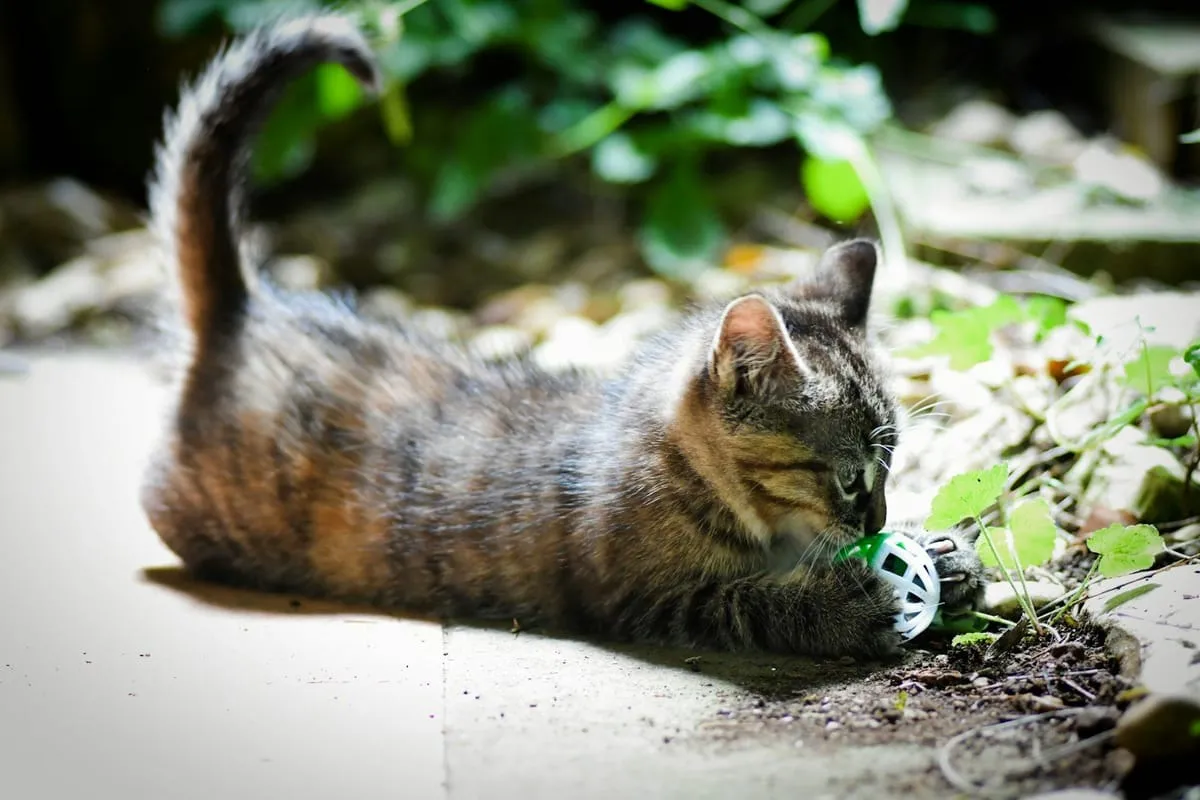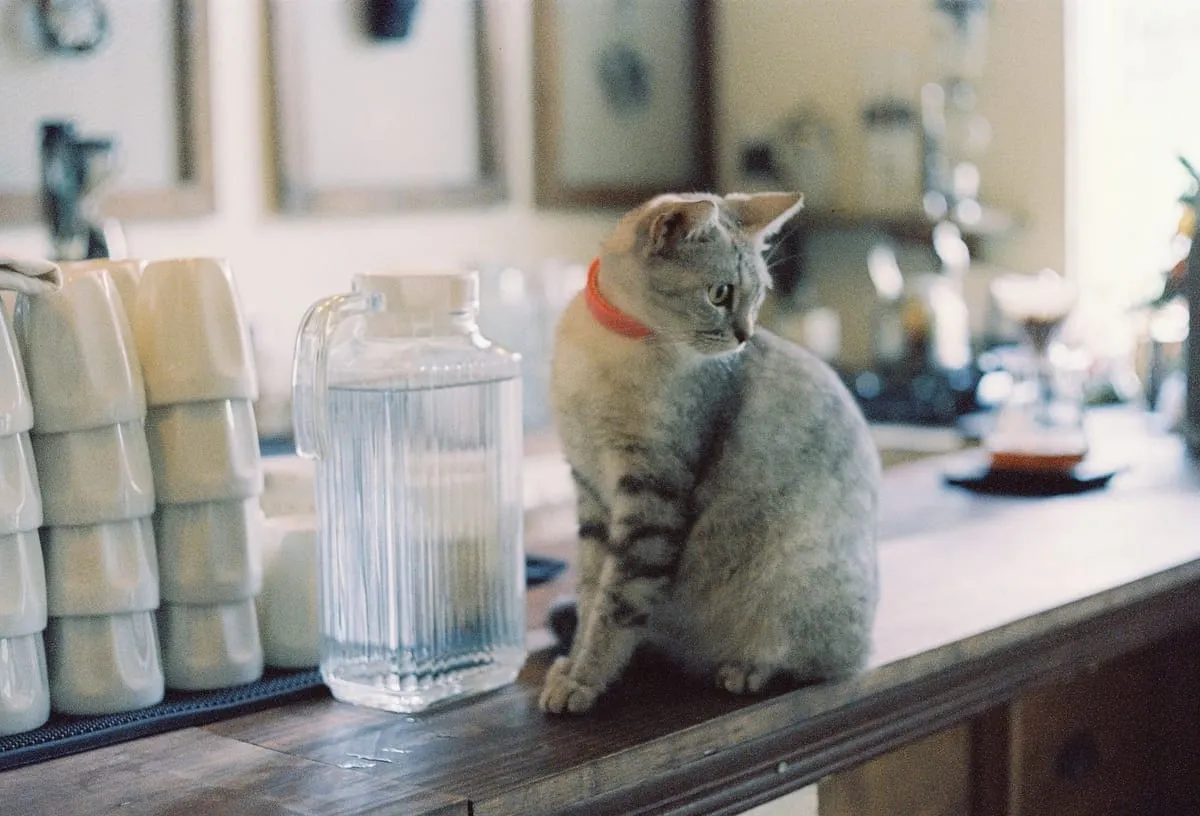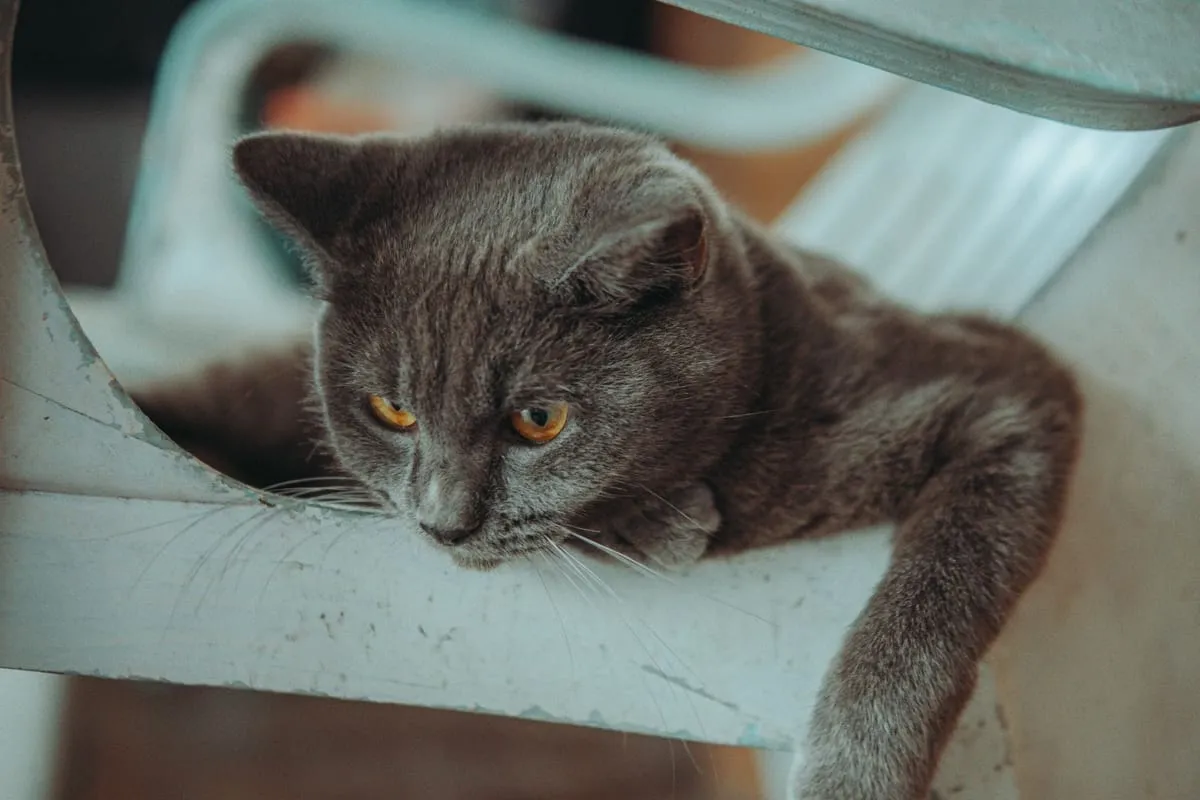
There is a specific kind of disappointment in buying a toy you were sure your cat would love, watching it get one sniff and a slow blink of total indifference, and then finding your cat batting a bottle cap around the kitchen floor an hour later. It happens to almost everyone, and it rarely means your cat has no interest in play. Most of the time it means the toy, the timing, or the way it is being offered is not doing the one thing that actually gets a cat interested, which is convincing them it might be prey.
Toys that just sit there are not that interesting
A cat’s hunting instinct responds to movement, and specifically to a certain kind of movement: erratic, evasive, a bit unpredictable, the way a mouse or a bird actually moves when it knows it is being watched. A toy sitting motionless on the floor does not trigger much of anything, no matter how well designed it is.
This is why a wand toy that you drag, twitch, and hide behind furniture usually outperforms almost anything a cat is left to discover on its own. The toy is not more interesting because it is fancier, it is more interesting because a person is making it behave like something alive. A cat left alone with a static toy on the floor is being asked to invent the movement itself, and most will not bother.
Novelty wears off fast
Even a genuinely good toy stops working once a cat has fully catalogued it. Cats habituate quickly, and a toy that has been sitting in the same spot for two weeks has effectively become part of the furniture rather than something worth investigating.
Keeping only two or three toys out at once and rotating the rest in and out of a drawer resets that novelty without spending another penny. A toy that reappears after a fortnight away often gets played with as if it were brand new. Texture and scent matter for the same reason a wand toy beats a still one: a catnip-filled toy can revive interest in something that had gone stale, though it is worth knowing that around three in ten cats simply do not respond to catnip at all. That is not pickiness, it is an inherited trait, and silvervine or valerian root are worth trying as an alternative if catnip has never done anything for your cat.
Timing and mood matter more than people expect
Cats are naturally most active around dawn and dusk, so a toy offered in the middle of a deep afternoon nap is fighting against your cat’s own rhythm, not just its taste in toys. A session pitched for early morning or early evening, right before a meal, tends to land far better than one offered whenever it is convenient for you.
A puzzle feeder taps into a related but different drive, foraging rather than chasing, and can catch a cat’s interest at points in the day when a wand toy would not, since working for food is its own kind of engagement that does not depend on the hunting mood being switched on.
When it is not really about the toy
A cat that has genuinely stopped playing, rather than one that was never that into toys to begin with, is worth a closer look. Pain makes pouncing and chasing uncomfortable, so the signs your cat is in pain are worth checking against, particularly stiffness, reluctance to jump, or a change in how your cat moves. A stressed or unsettled cat also plays less, and our guide to the signs of a stressed cat covers the quieter signals that can come before a cat stops engaging altogether. Senior cats naturally play less than kittens, but a healthy older cat should still respond to a short, gentle session, so a genuine drop-off is more often about comfort or mood than age alone.
Getting more out of the toys you already have
Before buying anything new, try changing how you use what is already in the drawer. Two short sessions a day, five to ten minutes, morning and evening, beat one long session that starts strong and fizzles out. Make the toy move like something trying to escape rather than waving it directly at your cat’s face, and let your cat stalk and creep rather than rushing straight to the pounce. End on a catch, then let your cat eat, wash, and settle, which mirrors the natural hunt-eat-groom-sleep pattern and tends to produce a genuinely satisfied cat rather than a wound-up one.
A cat that ignores every toy you hand it is not a cat with no interest in play. It is usually a cat waiting for something to actually move like it means it.
Common questions
- Why does my cat ignore expensive toys but play with a box or bottle cap?
- Price has nothing to do with what makes a toy interesting to a cat. A crumpled bottle cap skitters unpredictably and a box offers somewhere to hide and ambush from, both of which tap into real hunting instincts. A lot of shop-bought toys sit still and do neither, so the free option often wins.
- Is it normal for a cat to lose interest in a toy after a few days?
- Yes, this is normal and expected. Cats habituate to toys that stay out and unchanged, the same way a person stops noticing a picture on the wall. Rotating toys so only two or three are out at a time, and putting the rest away for a couple of weeks, keeps them feeling new.
- My cat used to play a lot and has suddenly stopped, is that a problem?
- A sudden drop in play, especially paired with hiding, reduced appetite, or a change in litter box habits, is worth mentioning to your vet, since pain, illness, or stress can all reduce a cat's interest in play well before anything else looks obviously wrong. An older cat naturally plays less too, but a healthy senior should still respond to the right kind of session.
- Do all cats respond to catnip?
- No, roughly three in ten cats have no reaction to catnip at all, it is an inherited sensitivity, not a training issue. Silvervine and valerian root work through a different pathway and are worth trying if catnip does nothing for your cat, since a fair number of catnip-blind cats respond to one of those instead.