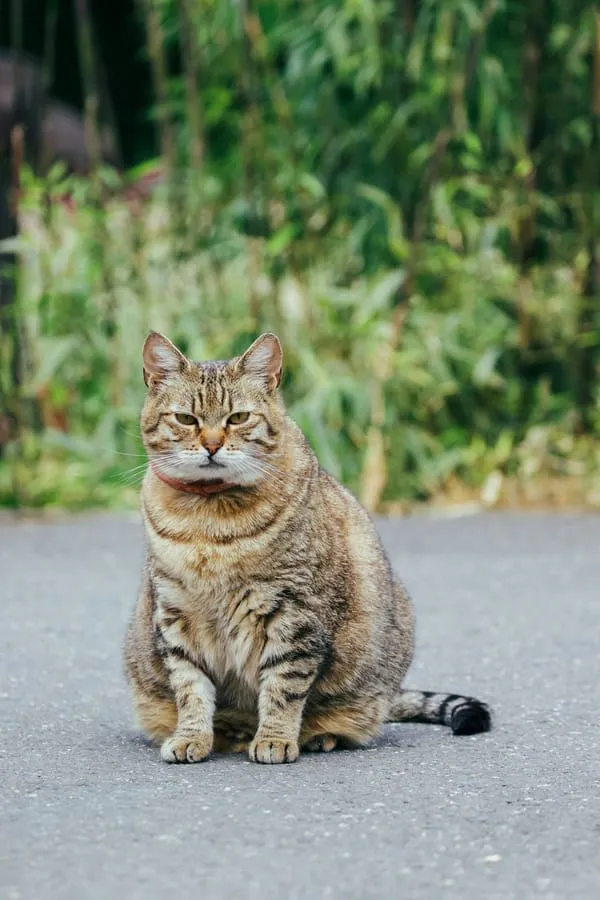
A large share of pet cats are overweight, and like dogs, most of their owners do not realise it, because the change is slow and a slightly round cat has come to look normal. But excess weight is not a cosmetic issue in cats any more than in people. It shortens their lives and raises the risk of serious problems, and there is one crucial way that slimming a cat is different from slimming a dog, a difference that makes doing it wrong genuinely dangerous. So this is worth getting right: how to tell honestly if your cat is carrying too much, and how to help it lose weight safely.
The honest caveat up front matters more than usual here: I am a writer, not a vet, and feline weight loss in particular must be done under veterinary guidance, for reasons that will become clear.
How to check honestly
As with dogs, the scales matter less than what you can feel and see, and learning the body condition check lets you judge your own cat rather than guessing.
Run your hands along your cat’s sides. You should be able to feel the ribs fairly easily, under only a thin layer, without pressing hard. Look down at your cat from above: there should be a visible waist behind the ribs rather than a straight or bulging outline. And look from the side, being aware that a bit of a belly flap low down, the primordial pouch, is normal in cats and not the same as fat. A cat whose ribs you cannot find, that has no waist and a wide, swinging belly, is carrying too much. Because so many cats now look a little heavy, it helps to check against these markers rather than against what seems normal, and your vet can give a proper body condition score if you are unsure. Do the check every few weeks, since weight creeps on invisibly and your hands will notice the change long before your eyes do.
Why cats get heavy
Understanding how the weight goes on helps you take it off, and cats have a few particular risk factors worth knowing.
At its simplest, weight gain is more calories going in than the cat uses, and modern cat life tips that balance easily. Free-feeding dry food, leaving a bowl permanently topped up, lets a cat graze well past what it needs. Treats add up fast. And an indoor cat, especially a neutered one, often has a big drop in activity with no matching drop in food, so the calories that once went into roaming now go into fat. None of this involves any single bad decision, it is the slow accumulation of a bit too much food and a bit too little exercise, day after day, which is exactly why it goes unnoticed. Recognising the usual culprits, the always-full bowl, the casual treats, the sedentary indoor day, tells you where the changes need to happen.
The crucial difference: never crash-diet a cat
Here is the single most important thing in this article, and the reason feline weight loss must be handled carefully rather than drastically.
This is why “just feed it less” is not safe advice for a cat the way it might sound for a dog. The weight has to come off slowly, and the process needs veterinary oversight to do it without triggering something worse than the obesity.
How to slim a cat down safely
With that safety rule firmly in mind, the actual approach is manageable, and it works best as a gradual, vet-supported plan.
Start by talking to your vet, who can confirm the cat is overweight, rule out any medical cause, set a safe target, and often recommend a specific approach or diet food designed for gradual, safe weight loss. Measure the food precisely rather than free-feeding, so you know exactly what the cat gets, and move away from the permanently full bowl to controlled meals. Cut the treats right down and count what remains as part of the daily total. And increase activity, which for an indoor cat means play: regular interactive play sessions and food puzzles that make the cat move and work for its food, burning calories and slowing eating at once. Then track progress with your vet, adjusting gently, aiming for slow, steady loss over months, not weeks.
Done this way, helping an overweight cat is one of the most worthwhile things you can do for it, because a lean cat lives longer and healthier, with lower risk of diabetes, joint pain, and the other problems excess weight brings. The keys are to check honestly using body condition rather than assuming your cat is fine, to address the everyday causes of the always-full bowl and the sedentary day, and above all to do the weight loss slowly and with your vet, never through crash dieting. Get those right and you can give your cat back years of healthier life, which is a great deal to gain from a bit of measuring and a nightly game.
Common questions
- How do I know if my cat is overweight?
- Feel for the ribs, which you should be able to detect under a light covering without pressing, look for a waist when viewed from above, and check for a sagging belly. A cat with hard-to-find ribs, no waist, and a swinging belly pouch is carrying too much. A vet can confirm with a body condition score.
- Why is my cat overweight?
- Usually too many calories for the cat's activity, often from free-feeding dry food, too many treats, and an indoor life with little exercise. Neutered and indoor cats in particular gain weight easily. It creeps on slowly, so most owners do not notice until it is significant.
- How do I help my cat lose weight?
- Always with veterinary guidance, because cats must lose weight slowly and safely. Typically it means measuring food carefully, cutting treats, sometimes a vet-recommended diet food, and increasing activity through play and food puzzles. Never crash-diet a cat.
- Why can't a cat lose weight quickly like a person?
- Because a cat that loses weight too fast, or stops eating, can develop a serious and potentially fatal liver condition called hepatic lipidosis. This is why feline weight loss must be gradual and vet-supervised, and why you should never simply starve an overweight cat.