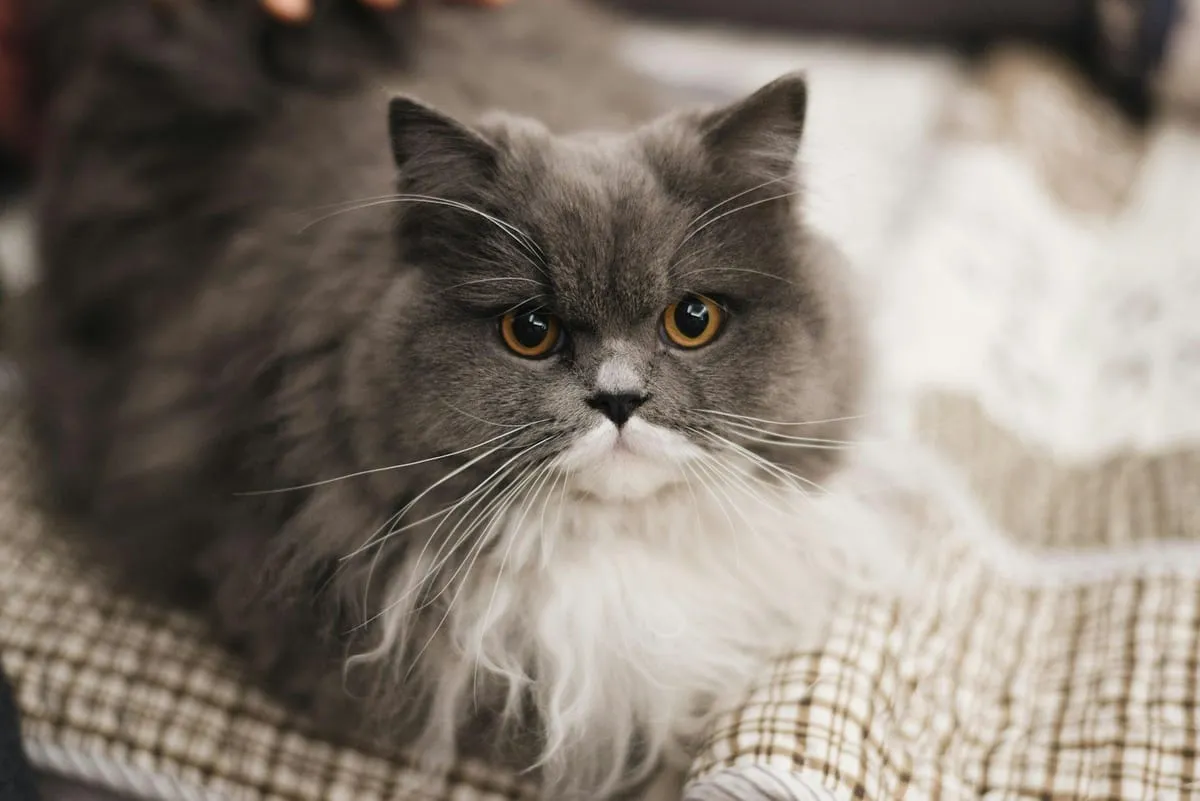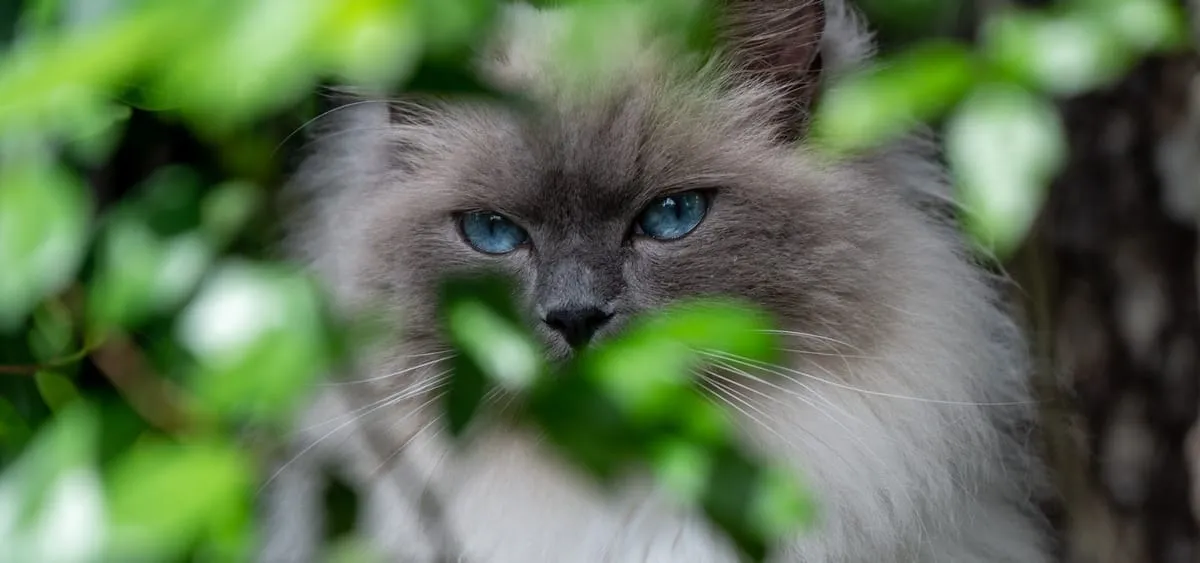
The Ragdoll is one of the most beloved of the larger cat breeds, and it is easy to see why. Big, plush, and strikingly beautiful, with blue eyes and a colourpoint coat, the Ragdoll pairs that impressive appearance with a famously gentle, docile temperament. This is a cat known for going limp and relaxed in your arms, for following its people from room to room, and for a laid-back nature that suits family life. But the very traits that make Ragdolls so lovable, their trust and docility, also shape how they should be cared for. This is an honest look at what living with a Ragdoll is really like.
The gentle giant temperament
The Ragdoll’s character is its greatest asset, and understanding it is the key to understanding the breed.
Ragdolls are typically docile, affectionate, and deeply people-oriented, often described as almost dog-like in their attachment to their owners. Many will follow you around the house, greet you at the door, and settle happily on your lap, and the breed’s name comes from the tendency of many individuals to go completely limp and relaxed when picked up, flopping trustingly in your arms. This makes them wonderfully easy to handle and generally tolerant, which is part of why they are popular with families and in homes with children who have been taught to handle a cat gently. They tend to be gentle, quiet, and mellow rather than wild and demanding. This lovely, trusting nature is genuine and it is the heart of the Ragdoll’s appeal, but it has a flip side that matters a great deal for how you keep one, which we will come to.
Size, grooming, and care
Beyond temperament, the Ragdoll is a substantial cat with some practical care needs, and knowing them helps you keep one well.
Ragdolls are one of the larger domestic cat breeds, big, solid, and slow to mature, often not reaching full size until several years old. That size means they need appropriate space, sturdy furniture like a large cat tree that can take their weight, and suitably sized everything, from litter trays to scratching posts. Their semi-longhaired coat is silky and, helpfully, somewhat less prone to matting than some longhairs, but it still needs regular grooming, brushing several times a week, to keep it in good condition, reduce hairballs, and manage the heavier seasonal moults. Grooming a Ragdoll is usually pleasant rather than a battle, given their tolerant nature, and it is a nice way to spend time with a cat that generally enjoys the attention. Overall their care is not especially demanding, but the combination of size and coat means they are more of a commitment than a small shorthaired moggie.
Why they belong indoors
Here is where the Ragdoll’s lovely temperament becomes a genuine safety consideration, and it is one of the most important points for any prospective owner.
The same trust and docility that make Ragdolls such gentle companions also make them poorly equipped for the dangers of the outside world. A Ragdoll tends not to be street-wise or wary, it is trusting rather than cautious, which leaves it vulnerable to traffic, to being taken because it is a valuable and friendly cat that will happily approach strangers, and to other outdoor hazards it is unlikely to avoid. For this reason most Ragdolls are best kept as indoor cats, or given only safe, secure outdoor access such as a cat-proofed garden or enclosure. This is not a hardship if done well, but it does place the responsibility on the owner to provide a rich indoor life, since an indoor cat depends entirely on you for stimulation, exercise, and interest, exactly the sort of enrichment covered in keeping an indoor cat from getting bored. A bored indoor Ragdoll is no happier than any other under-stimulated cat.
Who they suit
Finally, the honest question of whether a Ragdoll is right for you, because even a wonderful breed is not right for every home.
A Ragdoll suits a household that is around much of the day and wants a affectionate, companionable, gentle cat, that can commit to regular grooming and providing for a large cat’s needs, and that is willing to keep the cat safely indoors or with secure outdoor access while providing plenty of enrichment. They are a lovely choice for families, for people who want a cat that genuinely enjoys their company and handling, and for anyone drawn to a mellow, devoted feline companion. They are less suited to someone out long hours who wants an independent, low-interaction cat, or anyone set on giving a cat free outdoor roaming in a risky area, given the breed’s vulnerability.
Chosen for the right home, from a responsible breeder who health-tests, the Ragdoll is one of the most rewarding cats you can share your life with, a gentle giant that returns your affection generously and asks mainly for your company in return. Just go in understanding the responsibilities that come with that trusting nature: the need for company, the grooming, and above all the duty to keep a cat this trusting safe, which for most Ragdolls means a well-enriched life indoors. Meet those, and you get a genuinely special companion. For an honest sense of the budget, including the coat care and health cover, see our guide to how much a Ragdoll costs to own.
Common questions
- Are Ragdoll cats good pets?
- For the right home, very much so. Ragdolls are typically docile, affectionate, and people-oriented, often following their owners around and enjoying being held. Their gentle nature makes them popular family cats, though they need company, grooming, and a safe indoor life rather than being left alone a lot.
- Why are they called Ragdolls?
- Because many of them famously go limp and relaxed when picked up, flopping like a rag doll. Not every Ragdoll does this to the same degree, but the breed is known for a laid-back, tolerant nature that makes handling easy. It is part of what makes them such gentle companions.
- Do Ragdoll cats need a lot of grooming?
- They need regular grooming, though less than you might expect for a longhair, since their coat is silky and less prone to matting than some. Brushing a few times a week keeps it in good condition and reduces hairballs. During heavier moults they need more frequent attention.
- Should Ragdoll cats be kept indoors?
- Generally yes. Ragdolls are trusting, docile, and not very street-wise, which makes them vulnerable outdoors to traffic, theft, and other dangers. Most are best kept as indoor cats, or given only safe, secure outdoor access, with plenty of indoor enrichment to keep them happy.