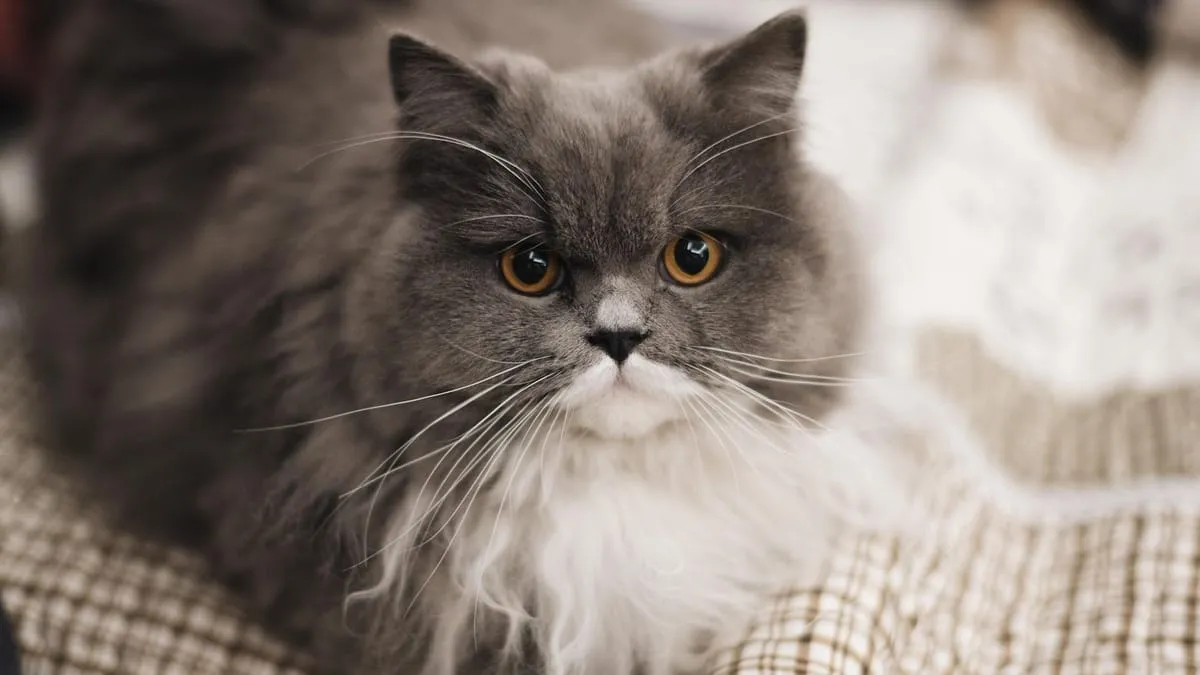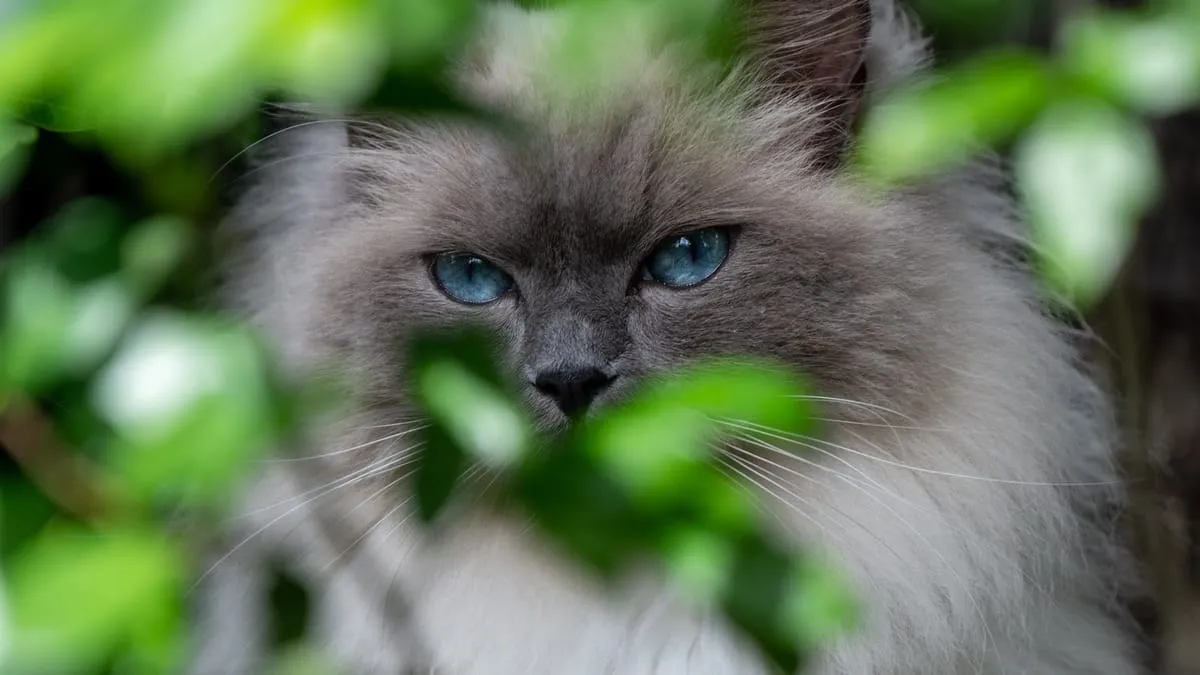
Ragdolls are made to be adored: big, soft, docile, and famously happy to flop into your arms. That gentle, affectionate nature is the whole appeal, and it is genuine. What tends to get less thought is that a Ragdoll is a large, semi-long-haired pedigree cat, which means a bigger appetite, a real coat to maintain, and a couple of inherited health risks, none of it disastrous, but all of it adding up to more than an ordinary moggy. So here is an honest breakdown of what a Ragdoll actually costs to own across its whole life.
Costs vary with where you live, your cat, and your choices, so treat these as realistic UK estimates to plan around rather than firm quotes.
The purchase price
The kitten price is the biggest single cost, and worth spending well.
A Ragdoll kitten from a registered, responsible breeder in the UK typically costs somewhere around £600 to £1,500 or more, with kittens from established breeders who health-test their cats at the higher end. That screening matters for this breed, because Ragdolls are prone to an inherited heart condition, and buying from a breeder who tests for it reduces the risk of an expensive problem later. Cheap kittens advertised as Ragdolls should make you ask more questions: they may not be full pedigree, or may come from lines that have not been health-tested, and the saving at the start can be dwarfed by vet costs down the line.
The first-year setup
The first year brings the usual one-off costs of setting a cat up, sized up a little.
Alongside the kitten, budget for neutering, initial vaccinations, and microchipping, plus the kit: a litter tray, a sturdy scratching post or cat tree that suits a large cat, bowls, a carrier, a bed, and grooming tools for the coat from the start. Ragdolls are usually kept as indoor cats, partly for their own safety given how trusting and unstreetwise they are, so it is worth investing in enrichment, climbing, scratching, and play, to keep an indoor cat happy. Starting insurance early, before anything can be called pre-existing, is especially sensible with a breed that has a known inherited heart risk.
The ongoing costs
Then come the regular, lifelong costs, and for a Ragdoll the notable ones are food and grooming.
Food costs a little more than for an average cat, simply because a Ragdoll is large and eats accordingly. Grooming is a genuine ongoing task: the semi-long, silky coat needs brushing several times a week to prevent tangles and matting, particularly around the ruff and back legs. It mats less readily than some long coats and you can usually manage it yourself, so it is more a cost in time than money, but occasional professional grooming may be needed if mats develop. Insurance sits at the moderate-to-higher end for the breed, reflecting its size and inherited health risk, and rises with age. Add routine veterinary care, vaccinations, and parasite treatment, and a Ragdoll’s running cost is a step above that of a small, short-haired cat.
The health costs to plan for
This is the part that most justifies buying carefully and insuring well.
Ragdolls are prone to hypertrophic cardiomyopathy, a heart muscle disease, which is the main inherited condition to know about, and responsible breeders screen for it with a genetic test and heart scanning of their breeding cats. They can also be affected by bladder and kidney problems. Treatment and ongoing management of a heart condition can be expensive, which is why buying from a breeder who screens, and holding good insurance, both matter. Not every Ragdoll will develop a problem, but the risk is real enough to plan for.
The real lifetime cost
Put it together and a Ragdoll is a moderately higher cost than an average cat.
Across a typical lifespan of around twelve to fifteen years, the purchase, setup, and the ongoing costs of feeding, grooming, insuring, and caring for a large, semi-long-haired cat add up to a realistic lifetime figure often somewhere between about £11,000 and £18,000, and more if a significant health condition develops. The size and coat push the everyday costs a little above those of an ordinary cat, and the inherited heart risk is the wildcard that makes good insurance worthwhile. A Ragdoll is a wonderful, affectionate companion, and a manageable cost if you go in knowing the grooming and health picture. If you are still deciding, our Ragdoll breed guide and our guide to the true cost of owning a cat go further.
Common questions
- How much does a Ragdoll kitten cost to buy?
- In the UK, a Ragdoll kitten from a registered, responsible breeder typically costs somewhere around £600 to £1,500 or more, with kittens from established breeders who health-test their cats at the higher end. As with any popular pedigree, unusually cheap kittens are a warning sign, since they may not be full pedigree or from health-screened lines.
- Do Ragdolls need a lot of grooming?
- More than a short-haired cat, yes. Their semi-long, silky coat needs regular brushing, ideally several times a week, to prevent tangles and matting, especially around the collar and back legs. It is less prone to matting than some long coats, and you can usually do it yourself, but it is a real ongoing task and cost in time, with occasional professional grooming if mats develop.
- What health problems do Ragdolls have?
- The main one to know is hypertrophic cardiomyopathy, a heart muscle disease the breed is prone to, which responsible breeders screen for with a genetic test and heart scanning. They can also be affected by bladder and kidney issues. Buying from a breeder who health-tests, and holding good insurance, are the main ways to manage the risk.
- What is the lifetime cost of a Ragdoll?
- Over a long life of around twelve to fifteen years, adding purchase, setup, food, grooming, insurance, and likely vet care, a realistic lifetime cost often lands somewhere between about £11,000 and £18,000, and more if a significant health condition develops. Their size and coat push the everyday costs a little above those of an average cat.