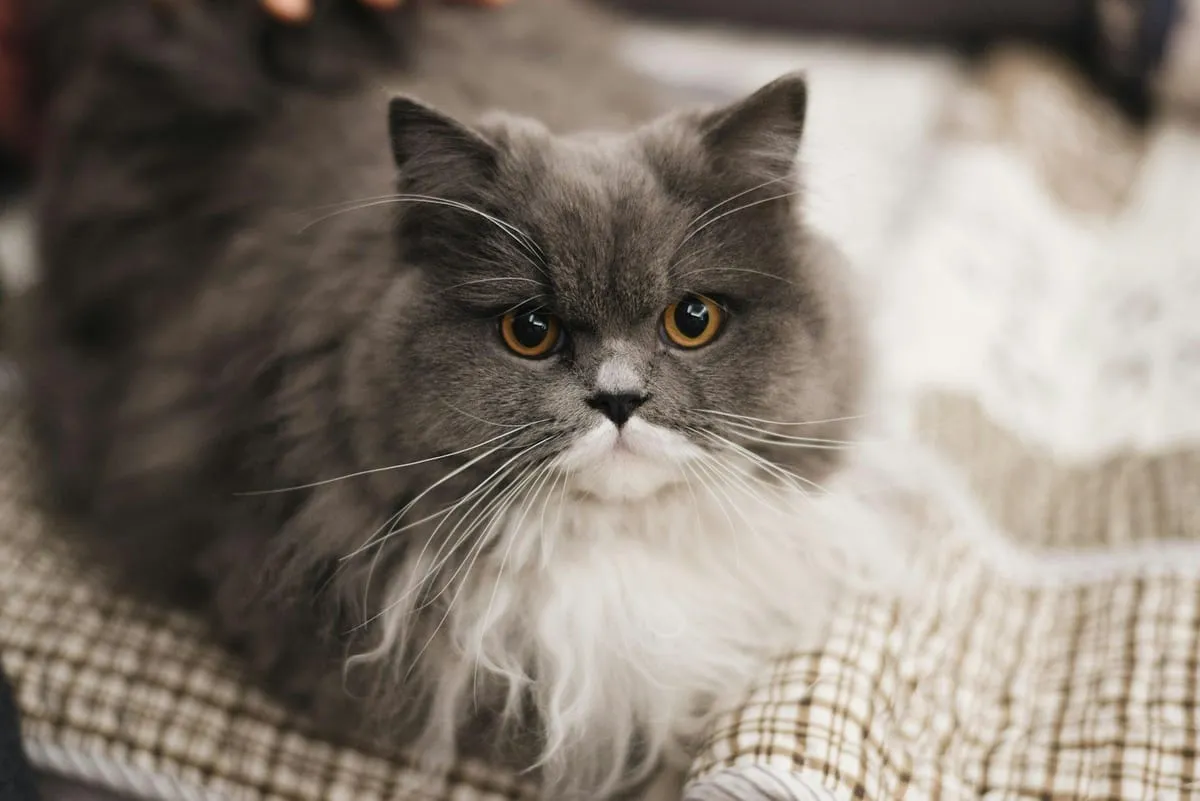
The British Shorthair is one of the most recognisable cats there is, the round-faced, plush-coated “teddy bear” cat, often seen in the classic blue-grey with copper eyes. Behind that appealing appearance is a temperament to match: calm, easygoing, dignified, and famously undemanding. If the Ragdoll is the devoted, follow-you-everywhere companion, the British Shorthair is the steady, independent housemate that is happy in your company without needing to be in your lap. This is an honest look at what living with one is like, and the sort of home they suit best.
The easygoing temperament
The British Shorthair’s character is defined by a certain calm dignity, and it is the main reason people love the breed.
These are typically placid, even-tempered, and undemanding cats, not prone to the wild energy of some breeds nor the clingy neediness of others. They tend to be affectionate but independent, enjoying the company of their people and often being loyal and gentle, while preferring to show it in a low-key way, sitting near you rather than demanding to be held. Many British Shorthairs are not big lap cats and can be a little reserved about being picked up, favouring their own space, but they are usually tolerant, good-natured, and easy to live with, which makes them popular with families and in a wide range of homes. This combination of affection without neediness and calm without aloofness is the breed’s signature, and for people who want a relaxed, self-possessed cat rather than a demanding one, it is exactly the appeal.
Easy to care for, within reason
Practically, the British Shorthair is one of the more manageable pedigree cats, which adds to its suitability for many households.
Their dense, plush coat is short and relatively low-maintenance, needing regular brushing rather than the daily attention a longhair demands, though that thick coat does shed noticeably during heavier moults and benefits from more frequent grooming then. Beyond the coat, they are generally robust, healthy cats, and their calm nature makes them undemanding company. All of this makes them a realistic choice for first-time cat owners and busy households, since they do not require the constant interaction of a more needy breed or the intensive grooming of a longhair. That said, easy to care for does not mean no care: they still need good food, a clean environment, veterinary attention, and mental and physical stimulation, and their placid nature brings one specific thing to watch, which is weight.
A mature, unhurried cat
One more aspect of the British Shorthair is worth understanding, since it shapes what you can expect: they are a slow-maturing, mellow breed.
British Shorthairs tend to be slow to reach full physical maturity, taking several years to fill out into the large, solid adults they become, and their temperament is correspondingly unhurried and stable rather than flighty. This means that even as kittens they are often relatively calm, and as adults they are typically settled, steady cats rather than restless ones. For someone wanting a peaceful, drama-free feline companion, this is a real plus. It is worth remembering, though, that calm does not mean they need no engagement, they still benefit from play, enrichment, and interaction to stay healthy in body and mind, and a British Shorthair left with nothing to do can become bored and prone to the weight gain already mentioned. The mellowness is a feature to enjoy, not a reason to neglect the cat’s needs.
Who they suit
Finally, the honest picture of who a British Shorthair suits, which follows naturally from its easygoing character.
A British Shorthair is an excellent match for someone who wants a calm, independent, affectionate-but-not-clingy cat that is relatively low-maintenance and easy to live with, including first-time owners, families, and busy households that cannot provide constant attention but can offer a loving, stable home. They suit people who appreciate a dignified, self-possessed cat over a demanding, hyperactive one. They are less ideal for someone specifically wanting a devoted lap cat that craves constant handling and cuddles, since many British Shorthairs prefer their own space, and anyone who cannot commit to managing the breed’s tendency to gain weight should be mindful of that responsibility.
Chosen from a responsible breeder who health-tests, the British Shorthair offers one of the more relaxed and manageable routes into pedigree cat ownership: a handsome, good-natured, undemanding companion that fits calmly into family life and asks relatively little in return. Give one good food kept in check, regular grooming, enough play to stay fit and engaged, and the affection it will happily accept on its own terms, and a British Shorthair makes a wonderfully easy and rewarding cat to share a home with. For an honest sense of the budget involved, see our guide to how much a British Shorthair costs to own.
Common questions
- Are British Shorthairs affectionate?
- They are affectionate but on their own terms, more dignified and independent than clingy. Many British Shorthairs enjoy being near their people and are loyal and gentle, but they often prefer to sit beside you rather than on you, and are not typically big lap cats. They show affection in a calmer, less demanding way.
- Are British Shorthairs good for first-time owners?
- Often yes. Their calm, easygoing, undemanding nature and low grooming needs make them a manageable choice for many households, including first-timers and families. They are generally placid and tolerant, though like any cat they still need proper care, enrichment, and attention to their weight.
- Do British Shorthairs need much grooming?
- Not much. Their dense, plush coat is short and relatively low-maintenance, needing only regular brushing, more during heavier moults when the thick coat sheds. This makes them lower-maintenance on grooming than longhaired breeds, one reason they suit busy households.
- Do British Shorthairs get overweight?
- They can, and it is worth watching. Their calm, less active nature and sturdy build mean they can gain weight easily if overfed and under-exercised, so measured feeding, limited treats, and encouraging play matter. Keeping a British Shorthair at a healthy weight protects its long-term health.