Among all the reptiles sold as beginner-friendly, the leopard gecko is one of the few that genuinely deserves the label. It is small, generally calm and hardy, tolerant of gentle handling, and its care, while real, is well understood and achievable for a careful first-time keeper. That combination is why it is so often recommended, and why it is a species worth looking at properly if you are considering a first reptile. As with any reptile, though, “beginner-friendly” does not mean “no effort”, and the honest picture includes a setup that has to be right and a commitment that lasts a lot longer than the small size suggests.
Why they suit beginners
It is worth understanding what makes the leopard gecko a good starting reptile, because the reasons are genuine rather than marketing.
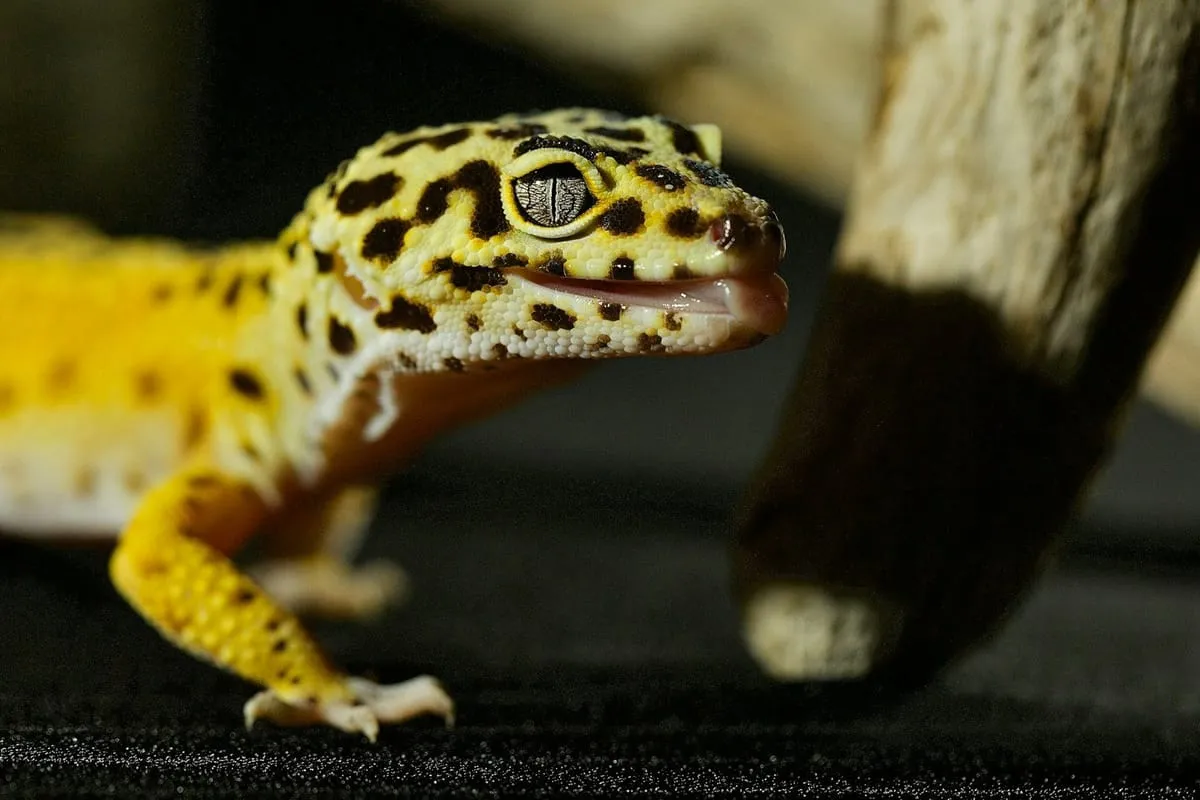
They stay a manageable size, so housing and handling are straightforward compared with a reptile that grows large. They are generally hardy and forgiving of the small mistakes a new keeper inevitably makes, within the bounds of correct care. Their temperament tends to be calm, and once settled many tolerate gentle, regular handling well, which is not true of every reptile. And crucially, their care requirements are well documented and understood, so reliable information is easy to find and the setup is achievable without specialist equipment or expertise. They are also active enough to be interesting and have real character, with their alert eyes and deliberate movements. All of this makes them a species where a careful beginner can genuinely succeed, which is exactly what you want in a first reptile, rather than a demanding animal that punishes the learning curve.
What a leopard gecko needs
Being a good beginner species does not mean being low-maintenance, and getting the setup right is the real work of keeping one well.
Like all reptiles, a leopard gecko needs its environment built correctly, and as a ground-dwelling reptile that takes warmth from below, that centres on heat. It needs an appropriately sized enclosure with a proper temperature gradient, a warm end and a cooler end, so it can regulate its own temperature, with the belly heat it prefers provided through a controlled, thermostat-regulated source, since ground-dwelling species take heat differently from basking ones. It needs the right lighting for the species, hides at both the warm and cool ends so it can feel secure wherever it wants to be, and importantly a humid hide, a moist retreat that helps it shed cleanly, since shedding problems are a common issue in geckos kept too dry. Add a suitable substrate, clean water, and correct temperatures verified with real thermometers, and you have the foundations. As with every reptile, all of this should be set up and stable before the animal comes home, not scrambled together afterwards, and it connects directly to why heat and the enclosure matter so much.
Feeding and supplements
Leopard geckos are insect-eaters, and feeding them well involves a bit more than dropping in crickets, which ties into the wider subject of reptile diet.
They are insectivores, living on live feeder insects such as crickets and various worms, and they do not eat plants at all. The important part is not just the insects but their preparation: feeders should be gut-loaded, fed a nutritious diet before being offered, and dusted with calcium and the right supplements, because feeder insects are calcium-poor and a gecko not getting supplemented calcium is at risk of the bone disease that plagues insect-eating reptiles. How often you feed depends on age, with growing young geckos eating more frequently than adults. Getting the calcium and supplement routine right is not a minor detail, it is central to keeping the animal healthy, and it is covered more fully in feeding your reptile the right diet and supplements.
Is it right for you
Finally, the honest question of whether a leopard gecko suits you, because even a good beginner reptile is not right for everyone.
The biggest thing to weigh is the commitment. Leopard geckos can live fifteen to twenty years or more with good care, so despite their small size they are a genuine long-term responsibility, not a passing interest, and that is a serious thing to take on. Beyond that, consider whether you can provide and maintain the correct setup, keep up the feeding and supplementation, and are drawn to a pet that is more to observe and gently handle than to cuddle, since a gecko is a reptile with a reptile’s needs and nature, not a small furry companion. If you can meet the setup and the years, and you find these calm, characterful little animals appealing, a leopard gecko is one of the most rewarding and achievable ways into reptile keeping there is.
Approached honestly, the leopard gecko earns its beginner reputation: a hardy, calm, manageable reptile with well-understood care, suited to a careful first-timer who gets the enclosure right and commits for the long haul. It is not a no-effort pet, no reptile is, but it is one where the effort is achievable and the rewards are real, which is exactly why so many reptile keepers, myself included, started with one. If you set it up properly before it arrives and meet its needs consistently, a leopard gecko can be a fascinating companion for the better part of two decades.
Common questions
- Are leopard geckos good for beginners?
- Yes, they are one of the most widely recommended beginner reptiles. They stay a manageable size, are generally hardy and calm, tolerate gentle handling well once settled, and have relatively straightforward care compared with many reptiles. They still need a correct setup, but their needs are well understood and achievable.
- What does a leopard gecko need in its enclosure?
- An appropriately sized enclosure with a warm and cool end, a source of belly heat with a thermostat, hides including a humid hide to help shedding, the right substrate, and clean water. Their exact temperature and lighting needs should be researched and set up and stable before the gecko arrives.
- What do leopard geckos eat?
- They are insectivores, eating live feeder insects like crickets and worms, which should be gut-loaded and dusted with calcium and supplements. They do not eat plants. Feeding frequency depends on age, with young geckos eating more often than adults.
- How long do leopard geckos live?
- A long time for a small pet, often fifteen to twenty years with good care, sometimes more. This makes a leopard gecko a genuine long-term commitment despite its small size, which is worth bearing in mind before taking one on.