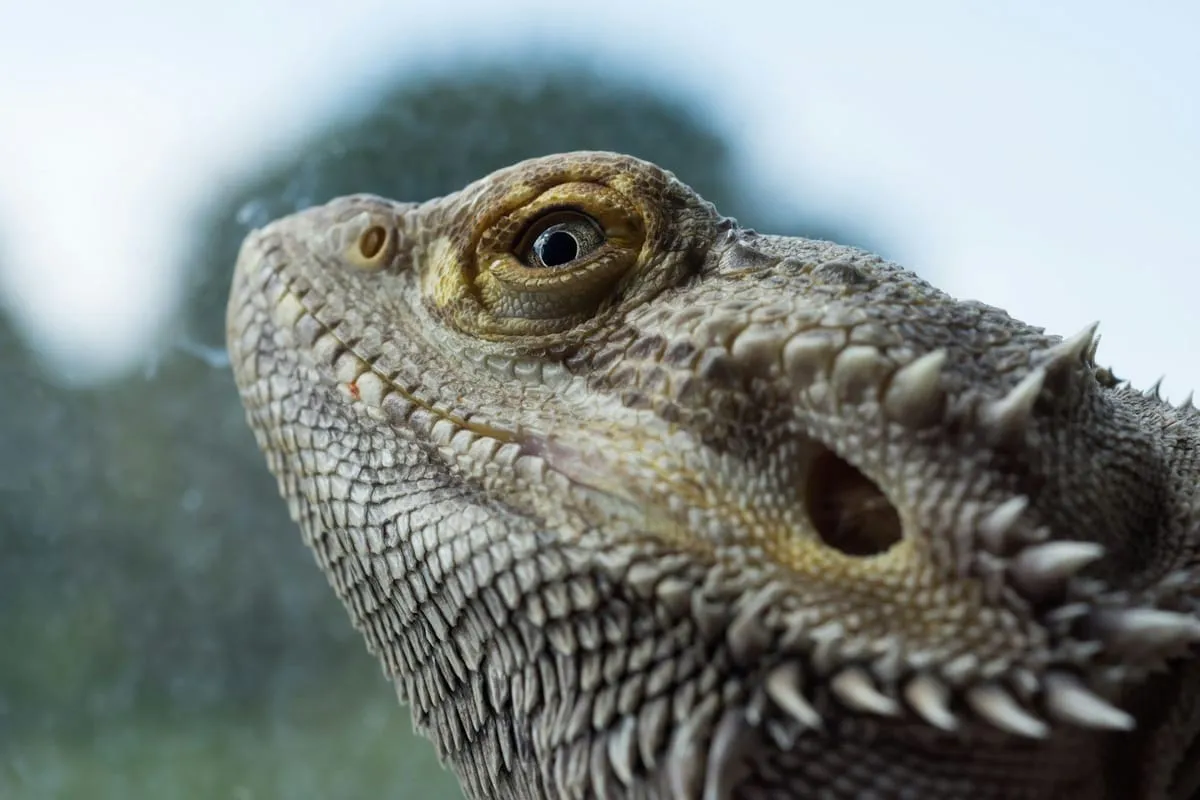
The bearded dragon is one of the most popular pet lizards, and it is easy to understand why: it is friendly, curious, active during the day, and full of personality, often becoming genuinely tame and interactive in a way many reptiles are not. That big character has made it a favourite, and it is frequently recommended to beginners. It deserves that popularity, but it also needs an honest health warning of a practical kind, because a bearded dragon is one of the more kit-intensive reptiles to set up correctly, with serious UVB and heat requirements. This is a guide to keeping one well, and to deciding whether you are ready for what it needs.
A engaging, characterful lizard
The bearded dragon’s temperament is a big part of its appeal, and it genuinely stands out among pet reptiles.
Bearded dragons are typically calm, docile, and confident, active during the day when you are around to enjoy them, and many become remarkably tame and tolerant of handling, sometimes seeming to enjoy interacting with their keepers. They are alert and curious, with expressive behaviours, the arm-waving, the head-bobbing, the way they watch the room, that give them real character and make them engaging to observe. This combination of a friendly nature and an active, daytime lifestyle is why so many people find bearded dragons such rewarding pets, more interactive and personable than many reptiles that hide away or are only active at night. For someone wanting a reptile they can genuinely engage with, the bearded dragon is hard to beat, and that appeal is entirely real. The catch, and it is an important one, is that this lovely lizard comes with substantial care requirements that have to be met for it to thrive.
The serious setup it needs
Here is where honesty matters most: a bearded dragon needs a large, well-equipped, and correctly set up enclosure, and this is the part beginners most often underestimate.
As a desert-dwelling, basking reptile, a bearded dragon needs a large enclosure with a proper temperature gradient, including a genuinely hot basking spot at one end and a cooler zone at the other, so it can thermoregulate. Crucially, it needs strong UVB lighting, because as a basking species it depends on UVB to make vitamin D3 and use calcium, and without adequate UVB it develops metabolic bone disease, a serious, crippling, and common condition in poorly kept dragons. It also needs hides, a suitable substrate, things to climb and bask on, and fresh water. This is a significant amount of kit, correctly chosen and positioned, and it must be set up and stable before the animal arrives. The UVB and heat are not optional extras or comfort items, they are fundamental to the animal’s health, as set out in why UVB and heat matter so much.
Feeding an omnivore
Bearded dragons are omnivores, and their diet is more involved than that of a purely insect-eating or plant-eating reptile, which is worth understanding before you commit.
They eat a mix of appropriately sized live insects, gut-loaded and dusted with calcium and the right supplements, and a range of suitable vegetables and greens, and getting this balance right matters for their health. The proportions shift with age: young, growing dragons eat proportionally more insects to fuel their growth, while adults eat relatively more plant matter, so the diet changes as the animal matures. As with all reptiles, the calcium and supplement routine is central rather than optional, because feeder insects are calcium-poor and a dragon not getting supplemented calcium is at risk of the bone disease already discussed, all of which is covered in feeding your reptile the right diet and supplements. Fresh water and correct temperatures for digestion complete the picture. It is not difficult once you are set up, but it is a real, daily part of the commitment.
Lifespan and who they suit
Finally, the honest question of suitability, which comes down to whether you can meet the substantial needs a bearded dragon brings.
Bearded dragons can live around ten years or more, so they are a genuine long-term commitment, and combined with the significant setup and daily care they require, that makes them a considered choice rather than an impulse one. As for who they suit: a bearded dragon is a wonderful reptile for a committed keeper, including a dedicated beginner, who can provide and maintain a large, correctly equipped enclosure with proper UVB and heat, keep up the varied diet and supplements, and commit for a decade or more. Their friendly, interactive nature makes them especially rewarding for someone who wants a reptile they can genuinely engage with. They are less suited to anyone wanting a low-kit, low-effort, or cheap-to-set-up reptile, or someone not prepared for the ongoing husbandry and the UVB and dietary requirements that keep them healthy.
Given the setup and care they need, bearded dragons richly reward the effort: friendly, characterful, interactive lizards that become genuine companions and are a joy to keep. The key is to go in understanding that the appealing personality comes attached to serious, non-negotiable husbandry needs, above all UVB, heat, and correct diet, and to get all of that right before and throughout the animal’s life. Meet those, and a bearded dragon is one of the most engaging and rewarding reptiles you can keep. Skimp on them, especially the UVB and calcium, and you get one of the most common and preventable reptile tragedies instead.
Common questions
- Are bearded dragons good beginner reptiles?
- They are popular and rewarding, and their calm, friendly nature suits beginners, but they need a substantial, correctly equipped setup with strong UVB and heat, which makes them more demanding to set up than some starter reptiles. A committed beginner can keep one well, but it is not a low-kit, low-effort pet.
- What does a bearded dragon need in its enclosure?
- A large enclosure with a proper heat gradient and a hot basking spot, strong UVB lighting, hides, a suitable substrate, climbing and basking spots, and fresh water, all set up and stable before the animal arrives. The UVB and heat requirements in particular are substantial and non-negotiable.
- What do bearded dragons eat?
- They are omnivores, eating a mix of appropriately sized live insects, gut-loaded and dusted with calcium and supplements, and a range of suitable vegetables and greens. The balance shifts with age, with young dragons eating proportionally more insects and adults more plant matter. Diet and supplements are central to their health.
- How long do bearded dragons live?
- Often around ten years or more with good care, sometimes longer. This makes a bearded dragon a genuine long-term commitment, and given the substantial setup and daily care they need, it is worth being sure before taking one on.