There is an irony at the heart of the fishkeeping hobby: some of the fish most often sold to beginners are among the worst possible choices to start with, and some of the ways they are sold almost guarantee failure. People choose fish the way they choose anything, by what looks appealing in the shop, and then lose them within weeks. Choosing well is less about finding the single best fish and more about picking hardy, forgiving species and, just as importantly, avoiding the classic setups that doom fish before they have a chance.
Get the order right: tank first, fish second
The most important thing to understand about choosing fish is that the choice starts with the tank, not the fish, and getting this backwards is the root of most beginner failure.
A fish is only as healthy as the water it lives in, so the questions that really decide success are about the setup: how big is the tank, is it filtered and cycled, is it heated if the fish need it. The fish you can keep well flow from those answers, not the other way round. Someone who falls for a fish in the shop and then tries to make a too-small, uncycled tank work is starting from a losing position no matter how hardy the fish. So before you choose a single fish, sort the tank, get it running, and cycle it, as covered in why fish keep dying. Then choose fish to suit it. This order, dull as it sounds, is the single biggest predictor of whether your fish live.
The classic traps to avoid
A few hugely popular first fish come with problems that are not obvious in the shop, and knowing them saves a lot of heartbreak.
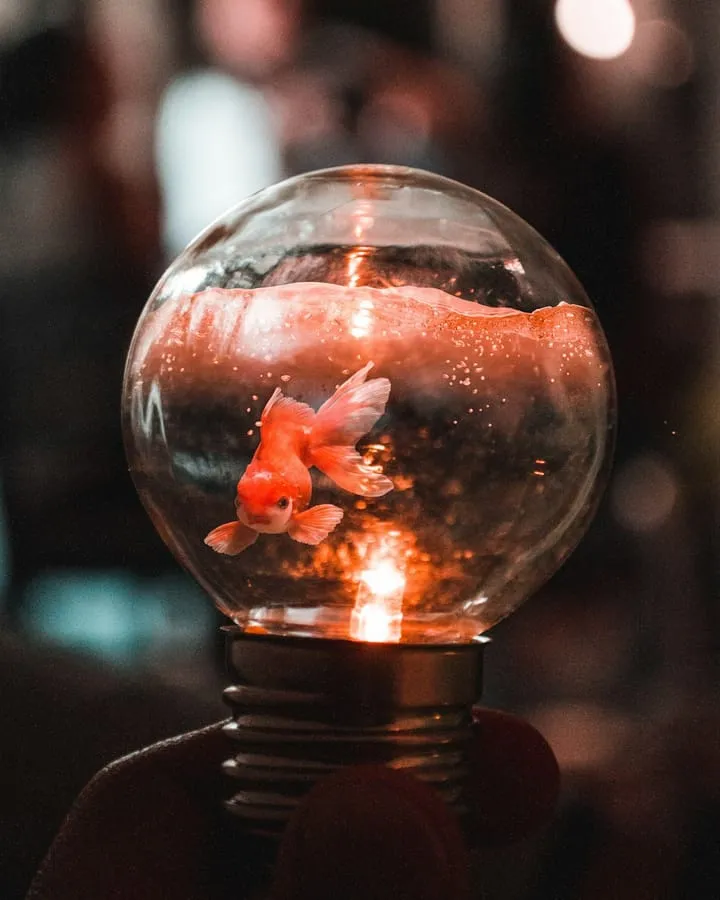
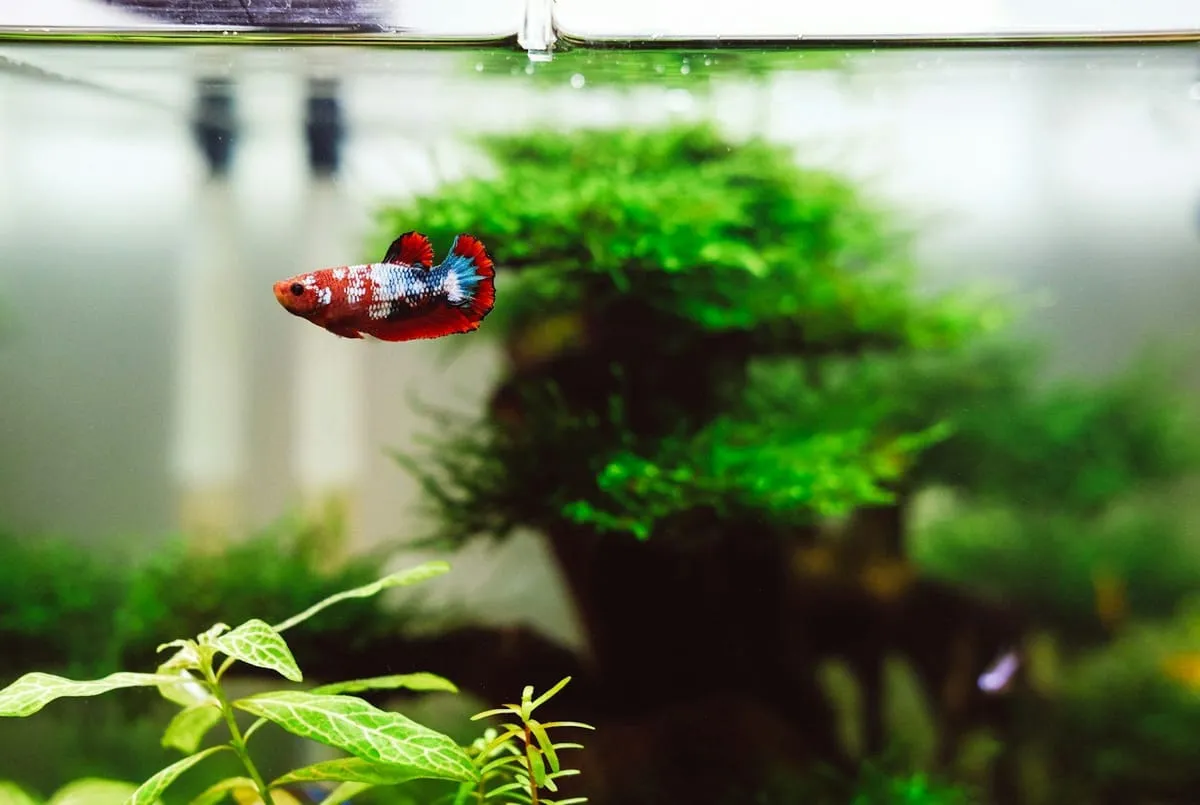
The goldfish in a bowl is the most famous. Goldfish are sold as easy starter pets, yet they grow large, produce a lot of waste, and need a big, well-filtered tank, nothing like the little unfiltered bowl they are pictured in. That mismatch is why so many die young, and it is a setup to avoid rather than a fish to blame. The betta, or Siamese fighting fish, is another cautionary tale: often sold in tiny cups and marketed as needing almost nothing, when in fact it does best in a small heated, filtered tank of its own and cannot be housed with other bettas or fin-nipping tankmates. And “cleaner” fish like the common pleco are sold to newcomers who do not realise they grow to a foot or more and need serious space.
What actually makes a good beginner fish
With the traps in mind, the fish that genuinely suit a beginner share a few qualities, and choosing for those beats choosing for looks.
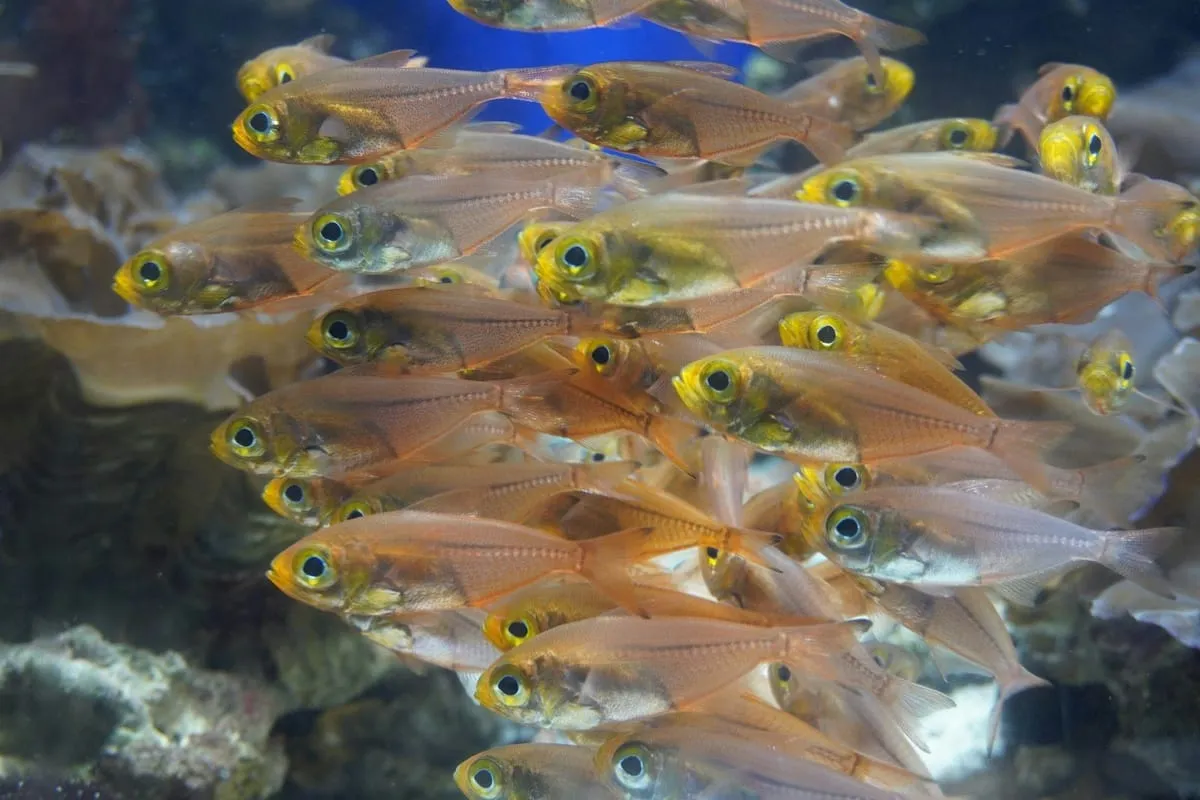
Look for species known to be hardy and forgiving of the small mistakes every beginner makes, and that suit the tank you have set up. Small schooling fish kept in proper groups are popular starting points for a community tank, as they are generally tough, active, and rewarding, provided the tank is cycled and not overstocked. A single betta in its own modest heated tank is another good route for someone wanting one characterful fish rather than a group. The specifics matter less than the principle: pick fish with a reputation for resilience, that match your water and space, and that get along if you are keeping more than one. A little research into two or three candidate species before you buy is worth far more than any impulse at the shop counter.
Stock lightly and grow slowly
The last piece is restraint, in numbers as much as in feeding, because overstocking undoes even good fish choices.
It is tempting to fill a new tank with all the fish you like, and it is one of the surest ways to crash the water and lose them. Every fish adds waste, and a tank, especially a young one, can only process so much. Research the adult size and needs of anything you are considering, remembering that the small fish in the shop may grow, and stock lightly, adding fish gradually over weeks rather than all at once. A lightly stocked tank is more stable, more forgiving, and far easier for a beginner to keep healthy than a crowded one.
Choosing fish well, then, is really a set of habits more than a shopping list: sort the tank first, avoid the fish and setups that are sold on false promises, pick hardy species that match your water, and stock slowly and lightly. Do that and fishkeeping turns from the frustrating, fish-dying experience so many people have into the genuinely absorbing, long-lasting hobby it should be. The best beginner fish is, in the end, the one kept in the right tank by someone who did a little homework first.
Common questions
- What are the best fish for a beginner?
- Hardy, forgiving species suited to a properly sized, cycled tank. Small schooling fish and a single betta in its own heated tank are common good starting points. The best choice depends on your tank size and water, so research a few species before you buy rather than choosing on looks.
- Are goldfish good beginner fish?
- Not in the way they are usually sold. Goldfish grow large, are messy, and need a big filtered tank, not a bowl, which is why so many die young. They can be rewarding in the right setup, but the classic goldfish-in-a-bowl is one of the most common ways beginners fail.
- How many fish can I put in my tank?
- Fewer than you think, and it depends on tank size, filtration, and the species. Overstocking is a leading cause of poor water and dead fish. Research the adult size and needs of each fish, and stock lightly, especially while you are still learning.
- Do I need a heated tank for my fish?
- Most popular aquarium fish are tropical and need a stable, heated temperature, so yes. Coldwater fish like goldfish are the exception but bring their own demands. Matching the fish to the equipment you are willing to run is part of choosing well.