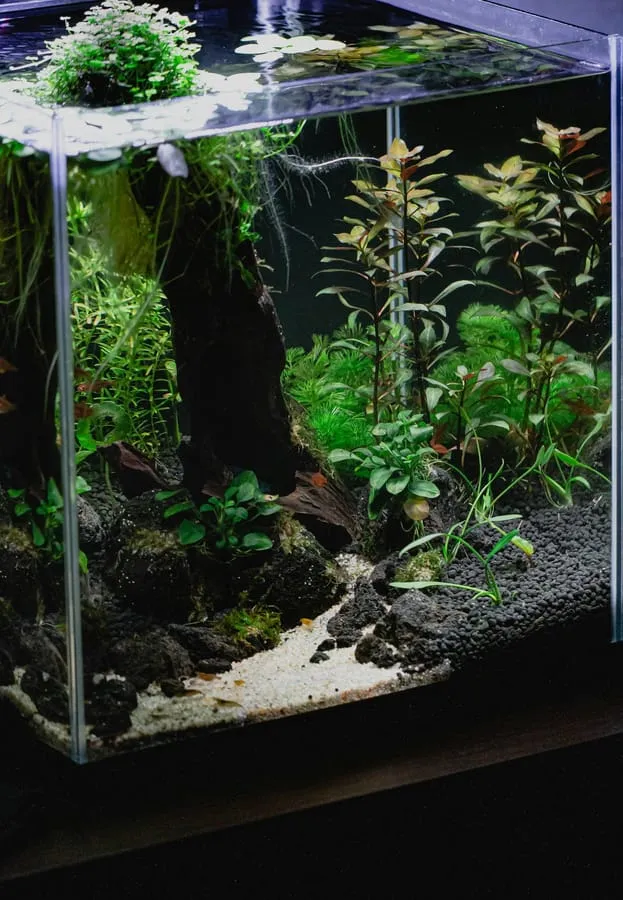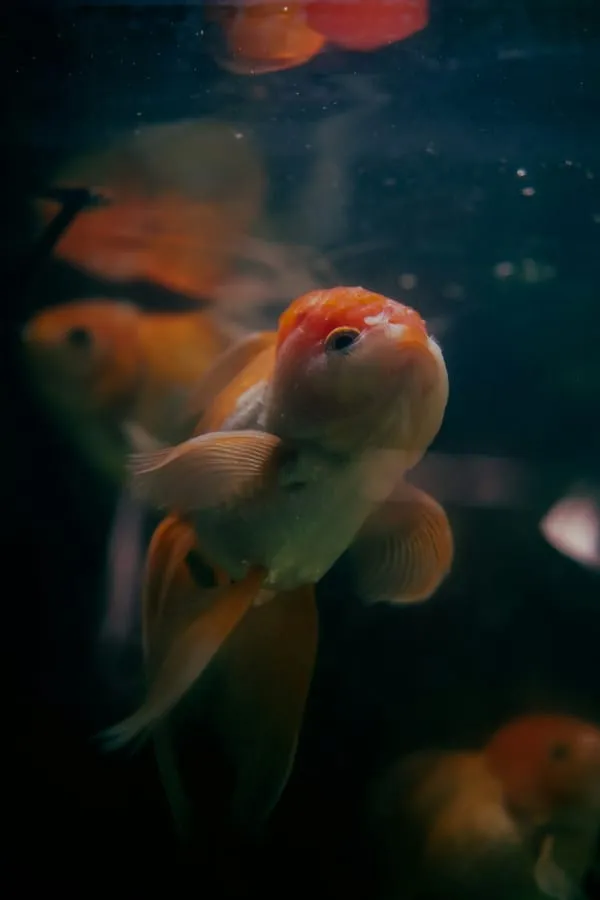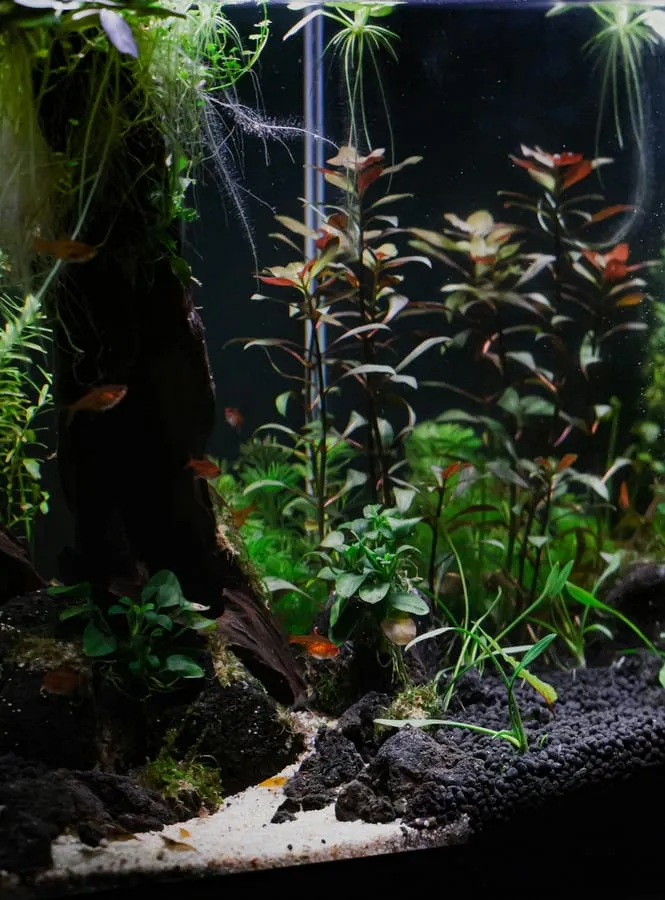
There is a heartbreaking pattern I saw over and over when I worked in an aquarium shop. Someone sets up a lovely new tank, adds a group of fish, and within a fortnight most of them are dead. They come back convinced they got unlucky, or bought sick fish, and buy replacements that promptly die too. It is almost never bad luck or bad fish. It is the water, and specifically an invisible problem that catches nearly every beginner. The good news is that once you understand it, it is entirely preventable.
The invisible killer: new tank syndrome
The thing killing your fish is usually something you cannot see in clear water, and understanding it is the whole key to keeping fish alive.
Fish constantly produce waste, and that waste releases ammonia, which is highly toxic to them. In an established tank, colonies of beneficial bacteria living in the filter convert that ammonia into nitrite (also toxic) and then into nitrate (far less harmful), keeping the water safe. The catch is that a brand new tank does not have those bacteria yet. So when you fill a new tank, add fish, and let them start producing waste, the ammonia has nowhere to go. It builds up in perfectly clear-looking water and poisons the fish. This is new tank syndrome, and it is behind the large majority of those early, baffling fish deaths.
The water can look crystal clear and still be lethal. That is the part that fools everyone, because we judge water by whether it looks clean.
Cycling: the step everyone skips
The solution to new tank syndrome is to grow those bacteria before the fish rely on them, a process called cycling the tank, and skipping it is the number one beginner mistake.
Cycling means running the tank and deliberately feeding the bacterial colony a source of ammonia so it establishes over several weeks, before you add a full load of fish. Done properly, by the time your fish move in, the filter is already colonised and able to process their waste, keeping ammonia and nitrite at zero. There are a couple of ways to do it, but the principle is the same: build the biological filter first, then add the fish. It requires patience, often four to six weeks, which is exactly why so many people skip it and lose their fish. The tank that sits running with no fish for a month is not empty time. It is the work that keeps everything you add alive.
Test the water, because your eyes cannot
If you take one tool from this article, make it a liquid test kit, because it turns an invisible problem into a visible one you can actually manage.
A test kit for ammonia, nitrite, and nitrate lets you see what is happening in water that looks fine. During and after cycling, you want ammonia and nitrite reading zero, with nitrate kept low by regular water changes. Any detectable ammonia or nitrite means the water is harming your fish, and it explains the deaths that otherwise seem random. The paper strip tests are convenient but often unreliable, so a liquid kit is worth the small extra cost. Testing regularly, especially in the first months and whenever something seems off, takes fishkeeping from guesswork to something you can actually understand and control.
Slow down, and change the water
Two habits prevent most of the deaths that cycling and testing do not, and both come down to patience.
Add fish gradually, never all at once. Even in a cycled tank, a sudden big increase in fish means a sudden increase in waste that the bacteria need time to catch up with, so add a few, wait a couple of weeks, test, and add a few more. And do regular partial water changes, replacing perhaps a quarter of the water every week or two, to keep nitrate down and dilute anything building up. These are the routine, unglamorous habits that separate tanks where fish thrive for years from tanks where they keep dying.
Fishkeeping has a reputation for being either effortless or impossible, and the truth is neither. Almost all the early deaths come down to that one invisible problem, ammonia in an uncycled tank, and almost all of it is solved by the same unhurried approach: cycle the tank before the fish, test the water you cannot judge by eye, add livestock slowly, and change the water regularly. Do that and the mystery deaths stop. The hobby is genuinely rewarding once the water is right, and getting the water right, not buying better fish, is the whole game.
Common questions
- Why do my fish keep dying in a new tank?
- Almost always new tank syndrome. A new tank has not yet grown the bacteria that turn toxic fish waste into harmless compounds, so ammonia builds up and poisons the fish. The fix is to cycle the tank before adding fish, or to add fish very slowly while testing the water.
- What is cycling a fish tank?
- Cycling is growing a colony of beneficial bacteria in the filter that convert toxic ammonia into nitrite and then into far less harmful nitrate. It usually takes several weeks. Doing it before you add many fish is the single biggest thing that prevents fish deaths.
- How do I know if it is the water killing my fish?
- Test it. A liquid test kit for ammonia, nitrite, and nitrate tells you what your eyes cannot, since these toxins are invisible in clear water. Any detectable ammonia or nitrite is dangerous. Most mystery fish deaths show up clearly on a test kit.
- Can I add all my fish at once to a new tank?
- No, that is one of the most common causes of fish dying. A new tank cannot process the waste from a full load of fish, so the toxins spike and the fish die. Add a few at a time over weeks, letting the bacteria catch up, and test as you go.