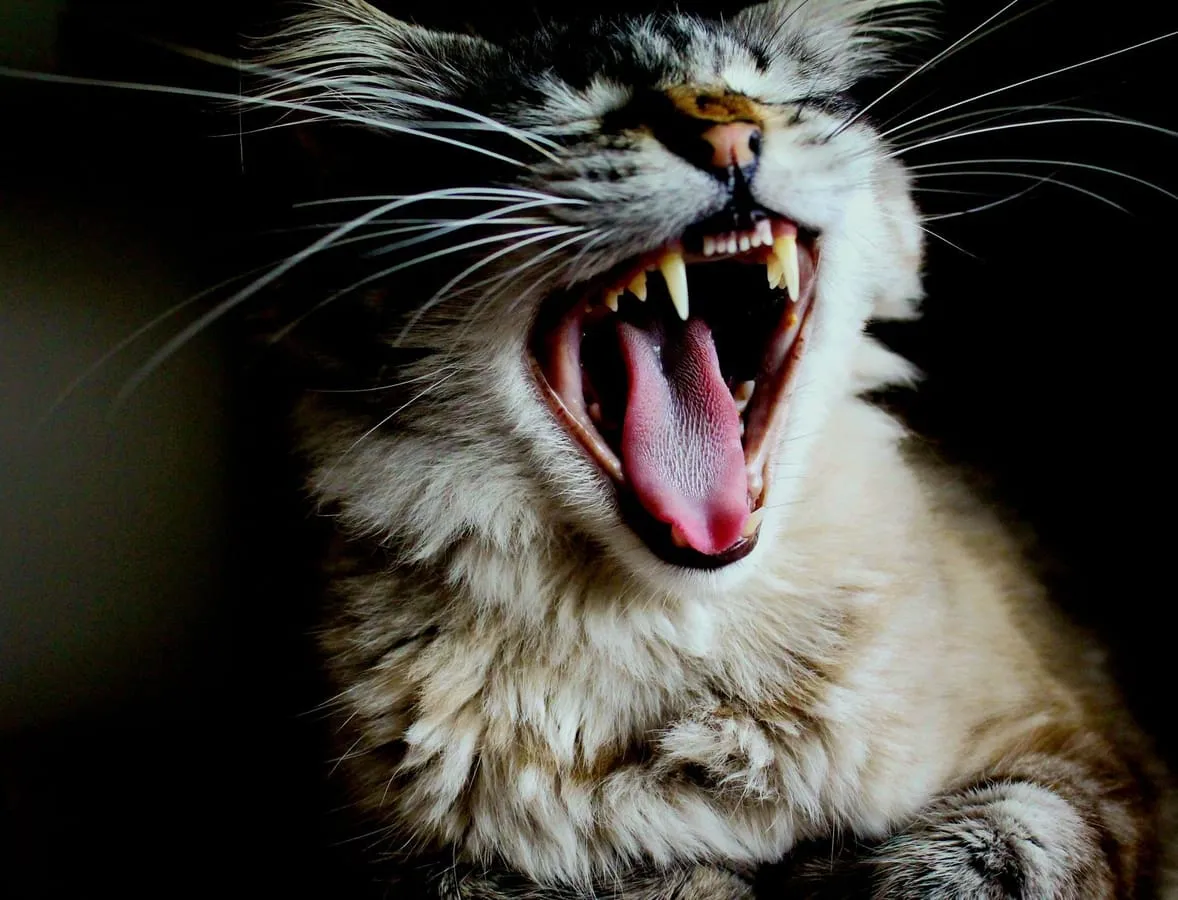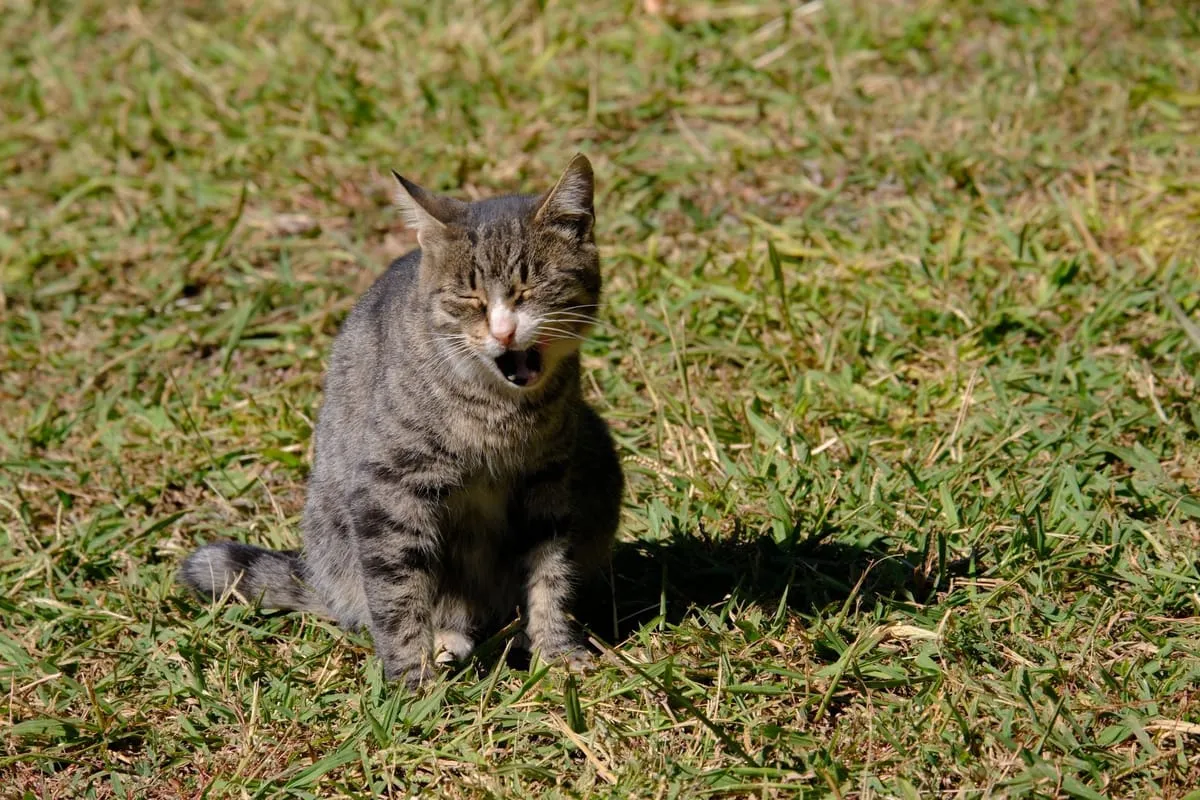
A single sneeze after your cat buries its face in a dusty cardboard box is nothing. A cat that sneezes several times a day for days in a row, especially with watery eyes or a nose that sounds blocked, is telling you something is actually irritating or infecting its airways, and it is worth paying attention to rather than waiting it out indefinitely.
The most common cause by far
Repeated sneezing in cats is usually a feline upper respiratory infection, often called cat flu, caused most often by feline herpesvirus or calicivirus. It spreads easily between cats through sneezed droplets and shared bowls or bedding, which is why it turns up so often in kittens from shelters or busy multi-cat households. Alongside the sneezing you will often see watery or goopy eyes, a runny or congested nose, and a cat that seems a bit quieter and less interested in food than usual, since a blocked nose badly dulls a cat’s sense of smell, and smell is most of how a cat decides whether food is worth eating.
Herpesvirus has an awkward habit of never fully leaving a cat’s system once caught. It goes dormant and can flare up again during stress, such as a house move, a new pet, or a stay in a cattery, which is why some cats have a bout of sneezing every so often for life rather than one infection and done.
Other things it could be
Sneezing is not always an infection. Cats can develop airway irritation from strong smells, scented litter, cigarette smoke, or aerosol sprays, and switching to an unscented litter or airing the room out is worth trying if the timing lines up. True allergies are less common in cats than dogs but do happen.
A few causes are worth knowing specifically because they need a vet rather than home care. Dental disease can cause sneezing when infection at a tooth root, particularly an upper canine, tracks up into the nasal passage. A blade of grass or another foreign object lodged in the nose causes sudden, violent, usually one-sided sneezing and a cat pawing hard at its face, and it will not resolve on its own. In older cats, persistent one-sided discharge, especially with blood, can point to a nasal growth and always deserves prompt investigation rather than a wait-and-see approach.
What actually helps at home
For a mild case in an otherwise healthy adult cat, comfort measures do most of the work while the immune system deals with the rest. Gently wipe away discharge from the eyes and nose with a damp, warm cloth a few times a day so it does not crust over and become more irritating. Warming wet food slightly brings out the smell and can coax a congested cat into eating when its sense of smell has taken a hit. Adding moisture to the air with a plain cool-mist humidifier in the room your cat rests in can ease a stuffy nose in the same way steam helps a blocked-up person, and it avoids the essential-oil risk that comes with scented humidifiers or vapour products.
Some vets still suggest L-lysine supplements for cats with recurring herpesvirus flare-ups, though more recent research has cast real doubt on how much difference it makes, so treat it as something to discuss with your vet rather than a guaranteed fix. In a multi-cat household, keeping food bowls, water bowls, and litter trays separate during an active bout limits how far it spreads to housemates.
When it is more than a cold
A healthy adult cat with mild sneezing and otherwise normal behaviour usually comes right within one to two weeks. Get your cat to a vet if the sneezing goes on much longer than that, if discharge turns thick, green, or bloody, if your cat stops eating for more than a day, or if you notice the sneezing is forceful and only from one nostril, since that pattern fits a lodged object far better than a virus. Kittens too young for their full vaccinations, senior cats, and cats already managing another condition are worth checking sooner, simply because they have far less reserve to cope with a blocked nose and a skipped meal or two. Our guide on signs your cat is in pain covers the wider tells that something is wrong beyond the obvious ones.
Common questions
- Why is my cat sneezing so much?
- An occasional sneeze after dusty litter, a sniff of pollen, or a face full of vacuum-cleaner dust is completely normal and nothing to worry about. Repeated sneezing over several days, especially alongside watery eyes, a runny or blocked nose, or general quietness, usually points to a feline upper respiratory infection, sometimes called cat flu, which is common, contagious between cats, and normally treatable.
- Is cat flu serious?
- For a healthy adult cat it is usually unpleasant rather than dangerous, similar to a bad cold, and most cases clear up in one to two weeks with rest, good food, and keeping the face clean. It is a bigger concern in kittens, senior cats, and cats with other health conditions, since a blocked nose can put a cat off eating altogether, and cats that stop eating for more than a day or two need a vet regardless of the cause.
- Can I give my cat human cold or allergy medicine?
- No. Many human decongestants and cold remedies are toxic to cats, and vapour rubs or anything containing essential oils like menthol or eucalyptus can cause serious breathing and liver problems in cats even from a small amount. Stick to plain comfort measures such as keeping the nose clean and adding moisture to the air, and only give a cat a medication your vet has actually prescribed for it.
- When should I take my cat to the vet for sneezing?
- Get your cat seen if sneezing lasts more than a few days, if you notice thick, green, or bloody discharge, if your cat stops eating or seems lethargic, or if the sneezing is violent and one-sided, which can point to something lodged in the nose rather than an infection. Kittens, senior cats, and cats with existing health conditions should be checked sooner rather than later, since they cope worse with a blocked nose and reduced appetite.