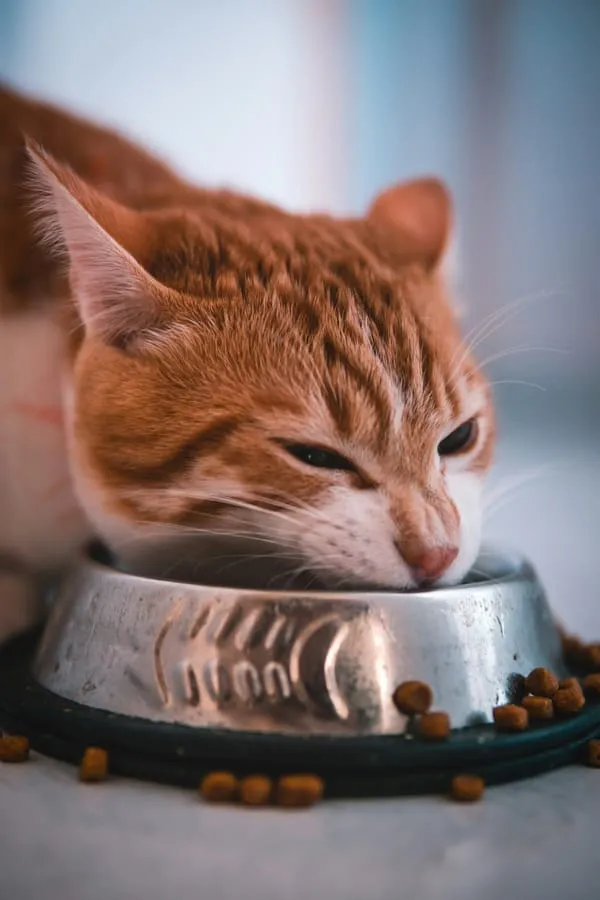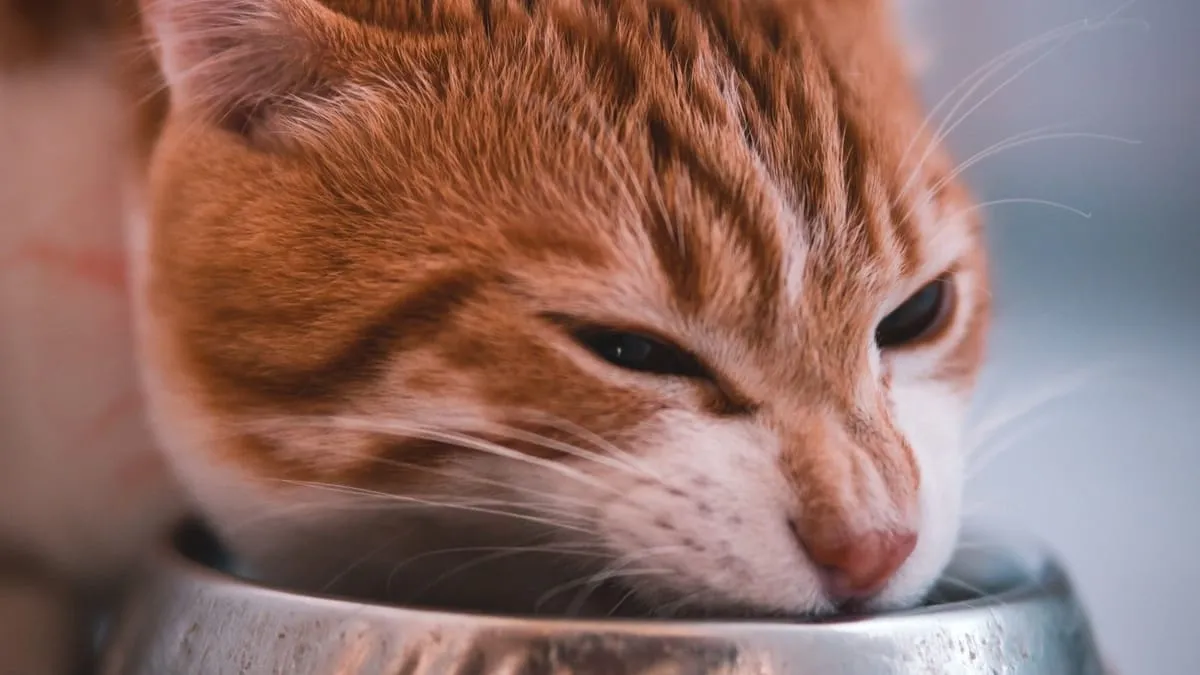
The wet-versus-dry debate matters more for cats than for dogs, and it comes down to one thing: water. A complete wet food and a complete dry food both meet a cat’s nutritional needs, so neither is simply wrong, but cats have a quirk that tips the balance. They evolved from desert animals, have a naturally low thirst drive, and often do not drink enough water on their own, which can contribute to urinary and kidney trouble over time. That single fact is why wet food, with its high moisture content, gets recommended for cats more often than dry. Here is the honest comparison, and how to choose.
The real differences at a glance
As with dogs, most of the difference is water and what follows from it, but for cats the moisture column carries more weight.
| Dry food (kibble) | Wet food | |
|---|---|---|
| Moisture | Low | High (around 70 to 80 percent water) |
| Hydration | Leaves it to the cat to drink | Boosts fluid intake significantly |
| Cost | Usually cheaper per serving | Usually more expensive |
| Convenience | Easy to store and leave down | Needs refrigerating once opened |
| Palatability | Fine for most cats | Often more tempting |
| Teeth | Little real benefit (a myth) | No benefit either |
The hydration row is the one that makes this different from the dog version. Everything else is a familiar trade-off of cost and convenience, but for cats the water in wet food is a genuine health consideration, not just a preference.
Why moisture is the cat-specific factor
This is the heart of the matter, and worth understanding rather than taking on trust.
Because cats drink so little voluntarily, a diet of dry food alone leaves much of their hydration up to a cat that may simply not top up enough, and low fluid intake is linked to urinary and kidney problems, which are common and serious in cats. Wet food, being mostly water, raises a cat’s fluid intake substantially without relying on the water bowl. That is why many vets suggest including wet food in a cat’s diet, even if dry is fed too. It is not that dry food is bad, it is that the moisture in wet food addresses a real feline weakness.
Where dry food still earns its place
None of this means dry food is a poor choice, and it has clear practical strengths.
It is convenient, easy to store, simple to measure, and it can be left down for a cat that likes to graze through the day, which suits many households and feeding routines. It is usually cheaper per serving than wet food. The one thing not to expect from it is dental cleaning, as the tooth-scrubbing idea is largely a myth for cats too. Dry food is a perfectly good part of a cat’s diet, especially alongside some wet food for the moisture.
So which should you choose?
For cats, the honest lean is toward including wet food, but a mix is the practical sweet spot for most homes.
If you feed only one, wet food has the edge for cats because of the hydration benefit. But there is no need to be purist about it: feeding both, wet meals for the moisture and some dry for convenience or grazing, is a sensible, common approach that most cats do well on. Choose based on your cat’s health, preferences, and your routine, and if your cat has any history of urinary problems, that is a good reason to talk to your vet about leaning more heavily on wet food. As always, count everything toward the daily calories so the total stays right.
The bottom line is that both can be part of a healthy diet, but for cats the moisture in wet food is a real, cat-specific plus that dry food cannot match. Feed a complete food your cat enjoys, include wet food for the hydration where you can, and measure the amount. For how much to feed, our cat food calculator helps, and for what to share and avoid outside meals, see our guide to safe and toxic foods for cats.
Common questions
- Is wet or dry food better for cats?
- Both a complete wet and a complete dry food meet a cat's needs, so neither is simply better, but wet food has one real edge for cats, its moisture. Cats evolved as desert animals and are poor drinkers, so the water in wet food helps their hydration and urinary health. Many vets lean toward including wet food for that reason, though dry is convenient and fine as part of the diet.
- Does dry food clean a cat's teeth?
- Barely. The idea that dry food keeps a cat's teeth clean is largely a myth, since most cats swallow kibble with little chewing. Some special dental diets are designed to help, but ordinary dry food is not a substitute for proper dental care. Do not choose dry food expecting it to look after your cat's teeth.
- Why is moisture so important for cats?
- Because cats have a low thirst drive and often do not drink enough water on their own, which can contribute to urinary and kidney problems. Wet food is around 70 to 80 percent water, so it boosts their fluid intake significantly, whereas a dry-only diet leaves more of the hydration up to a cat that may not drink enough. This is the main reason wet food is often recommended for cats.
- Can I feed my cat both wet and dry?
- Yes, and many owners do, which is a sensible way to get the moisture benefit of wet food alongside the convenience of dry. The important thing is to count both toward the daily calories so you do not overfeed, since leaving dry food down all day plus wet meals on top is a common way cats gain weight.