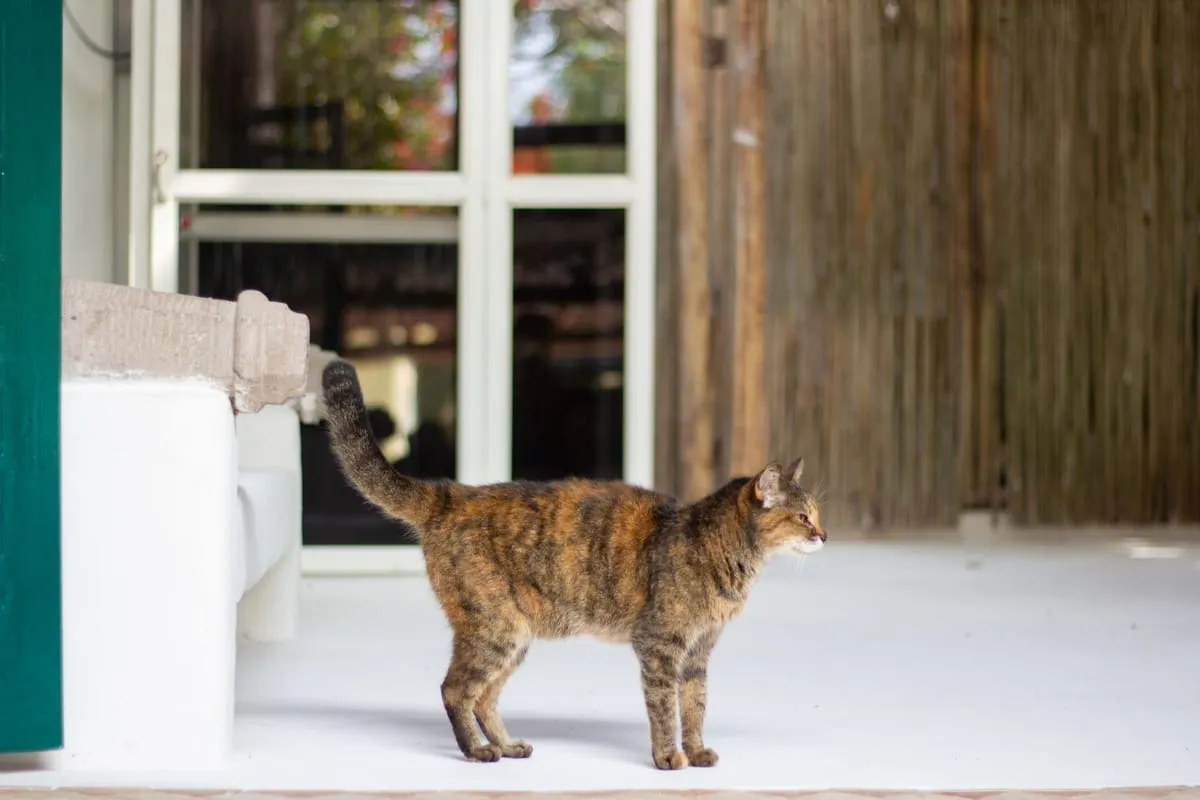
If there is one complaint I hear more than almost any other, it is the cat that will not let its people sleep. The paw patting your face at five in the morning, the yowling outside the bedroom door, the knocking things off shelves until you get up. It is exhausting, and it can sour how people feel about an animal they love. The good news is that night-waking is one of the most fixable cat problems there is, once you understand what is driving it, because it is almost always a mix of natural instinct and a habit you have accidentally reinforced.
Why cats stir at dawn
Before fixing it, it helps to know that some early activity is baked into what a cat is, because that shapes the realistic goal.
Cats are crepuscular, meaning they are naturally most active at dawn and dusk, the times their wild hunting would be most productive. So a cat stirring, moving about, and feeling lively in the early morning is not misbehaving, it is following an ancient rhythm. That part you cannot train away, and it would be unfair to try. What you can change is the step from “cat is naturally awake” to “cat is actively waking me up”, because that second part is usually learned. The aim, then, is not a cat that sleeps like a stone until nine, it is a cat that is content to potter quietly while you sleep, rather than one that comes to get you. Keeping that realistic goal in mind stops you fighting the cat’s nature and lets you focus on the bit that actually responds to change.
The hunger link, and how to break it
For a great many cats, the early wake-up is really about breakfast, and the way we usually respond makes it worse.
A cat that has not eaten since the evening is genuinely hungry by dawn, and hunger, combined with that natural early-morning liveliness, is a powerful motivator to get you up. The trouble is what happens next: you stumble to the kitchen and feed it, and you have just taught the cat, with perfect clarity, that waking you produces food. So it does it again the next day, and, being no fool, a little earlier, to beat you to it. This is how a five thirty wake-up creeps to five, then four thirty. The fix has two parts. First, feed a meal last thing at night so the cat goes to bed fuller and wakes less ravenous. Second, and this is the important one, break the link between you and breakfast by using an automatic feeder set to dispense in the early morning, so the food arrives on a schedule the cat cannot influence by pestering you. When the machine feeds the cat and you do not, waking you stops paying off.
Tire the cat before bed
Alongside the food, the state you send your cat to bed in makes a big difference, and this is where a bit of effort at night pays off in the morning.
A cat that has spent the evening dozing has a full tank of unused energy to burn at dawn, whereas a cat that has properly hunted, chased, and been fed is primed to sleep. So build in a good play session in the evening, ideally last thing before bed, using a wand toy to let the cat stalk, chase, and finally catch its “prey”, the way interactive play satisfies a cat’s hunting drive. Follow that catch with the last meal of the day, and you have walked the cat through its natural hunt-eat-groom-sleep sequence, which is exactly what settles a cat down. A tired, well-fed cat at bedtime is far less likely to be bouncing off the walls at five. This one habit, a proper play-then-feed session at night, resolves a lot of morning problems on its own.
Stop rewarding the waking, and hold firm
Finally, the piece people find hardest: whatever the cat does to wake you, you have to stop responding to it, and stay consistent through the protest.
If waking you gets the cat anything at all, food, attention, play, even being shouted at, you have rewarded it, and cats are excellent at learning what works. So once you have sorted the hunger and the evening play, you have to stop reinforcing the behaviour: no getting up to feed, no fussing, no engaging, not even cross words, because to a bored cat any reaction is a result. This is genuinely hard, especially when you are half-asleep and desperate, and it almost always gets worse before it gets better as the cat escalates to test whether the old trick still works. If you cave on the loudest, most persistent morning, you teach the cat that it just needs to try harder. Hold firm for a couple of weeks, with the food and play changes in place so the cat is not actually suffering, and the waking usually fades.
Put the pieces together, accept the natural dawn liveliness, remove the hunger with a bedtime meal and an automatic early feeder, tire the cat with evening play, and stop rewarding the waking, and most cats settle into leaving their people in peace. It takes a fortnight or so of consistency and a bit of nerve during the escalation, but the payoff is your nights back, and a cat whose needs are actually better met into the bargain. Few behaviour fixes improve life for both of you quite so directly.
Common questions
- Why does my cat wake me up so early every morning?
- Often it is hunger tied to their natural dawn activity, or simple boredom and a learned habit that waking you brings food, attention, or play. Cats are wired to be active at dawn and dusk, so early stirring is natural, but the pestering that follows is usually something they have learned works.
- How do I stop my cat waking me at night?
- Tire the cat out with a good play session before bed, feed a meal last thing so it is not hungry at dawn, and crucially stop rewarding the waking, no getting up to feed or fuss it. An automatic feeder set for early morning can break the link between you and breakfast.
- Should I feed my cat when it wakes me at 5am?
- No, because that teaches the cat that waking you produces breakfast, so it will keep doing it, earlier and earlier. Feed on a schedule you control, ideally with an automatic feeder for the early slot, so the food does not come from you responding to the pestering.
- Is it normal for cats to be active at night?
- Cats are naturally most active at dawn and dusk, so some early-morning and evening activity is normal. Problem night-waking, where the cat actively disturbs you, is usually down to hunger, boredom, or a learned habit, and those can be changed.