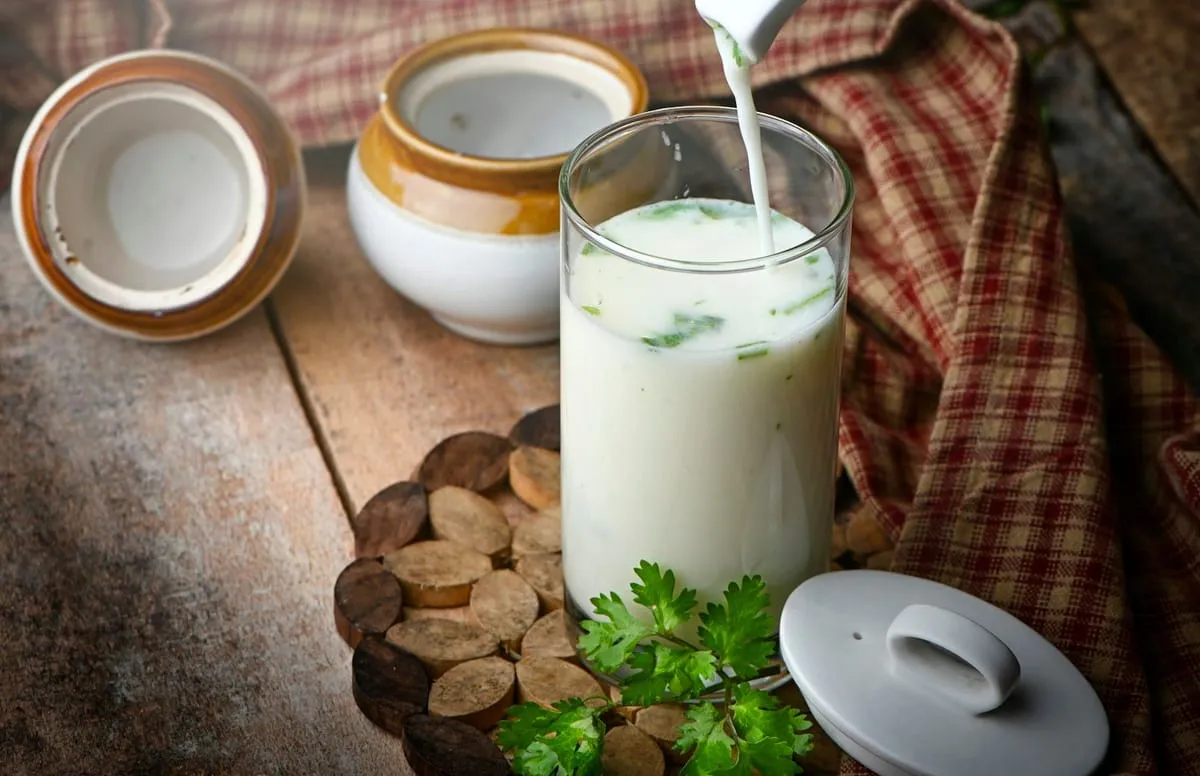
The honest answer is that a tiny bit of cheese will not poison most cats, but it is not a good treat for them and there are far better options. Cheese is not toxic, so if your cat pinches a crumb there is no need to worry, but it is not something to offer regularly. Many cats cannot digest dairy well, and cheese is fatty and salty on top of that. So while cheese is not dangerous in the way onions or chocolate are, it is a treat to skip rather than choose.
Why cheese is a poor choice for cats
Cheese sits in an odd spot for cats: harmless in a crumb, but genuinely not suited to them, and it helps to understand why.
The main issue is dairy. Cats are obligate carnivores, and dairy is not a natural part of their diet, and most adult cats are lactose intolerant, meaning they cannot properly digest the lactose sugar in milk products. That is the same reason a saucer of milk tends to upset a cat, and it applies to cheese too, so cheese can cause wind, an upset stomach, or loose stools. On top of the lactose, cheese is high in fat and salt, neither of which a cat needs. And crucially, cheese offers nothing nutritionally that a cat could not get more suitably from a little meat or fish. So while a tiny piece is not harmful, cheese is simply not a good treat for a cat, and there is no real reason to give it.
Better treats to choose instead
Since cheese offers a cat nothing it cannot get more safely elsewhere, the sensible approach is simply to reach for something more suitable.
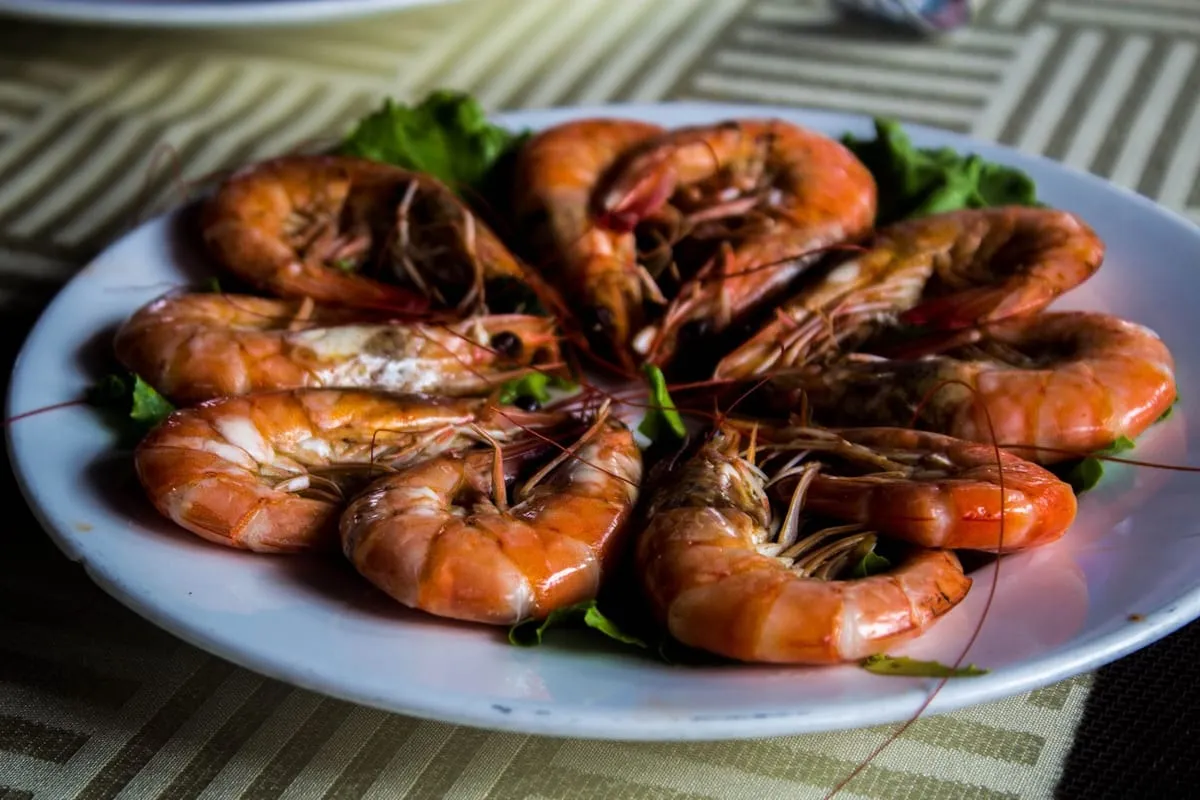
Cats are carnivores, so the best treats for them are small amounts of plain cooked meat or fish: a little plain cooked chicken, a flake of cooked salmon, or a small piece of another plain cooked meat all suit a cat far better than cheese, being both more appealing to most cats and free of the lactose and dairy fat problem. A small amount of plain cooked egg is another good option. So rather than working out how much cheese is safe, the easier answer is to treat your cat with the meat and fish it is actually built to eat. If your cat has somehow become fond of cheese, keep it to a tiny, rare amount and watch for any digestive upset.
So, can cats eat cheese? A tiny bit will not harm most cats, but it is a poor treat: many cats cannot digest dairy well, it is fatty and salty, and it offers nothing they need. It is not toxic, so there is no need to worry over a stolen crumb, but there is every reason to choose a little plain cooked chicken or fish instead. For the wider picture of feeding cats safely, see our guide to safe and toxic foods for cats.
Common questions
- Is cheese bad for cats?
- Cheese is not toxic, and a tiny piece now and then will not harm most cats, but it is not a good regular treat. Many cats are lactose intolerant and cannot digest dairy well, so cheese can cause stomach upset, and it is high in fat and salt. There are better, more cat-appropriate treats.
- Why isn't cheese good for cats?
- Cats are obligate carnivores, and dairy is not a natural part of their diet. Most adult cats do not digest lactose well, so cheese can cause wind and an upset stomach, and it is also fatty and salty. Cheese offers nothing a cat needs that meat or fish would not provide more suitably.
- Can I use cheese to give my cat a pill?
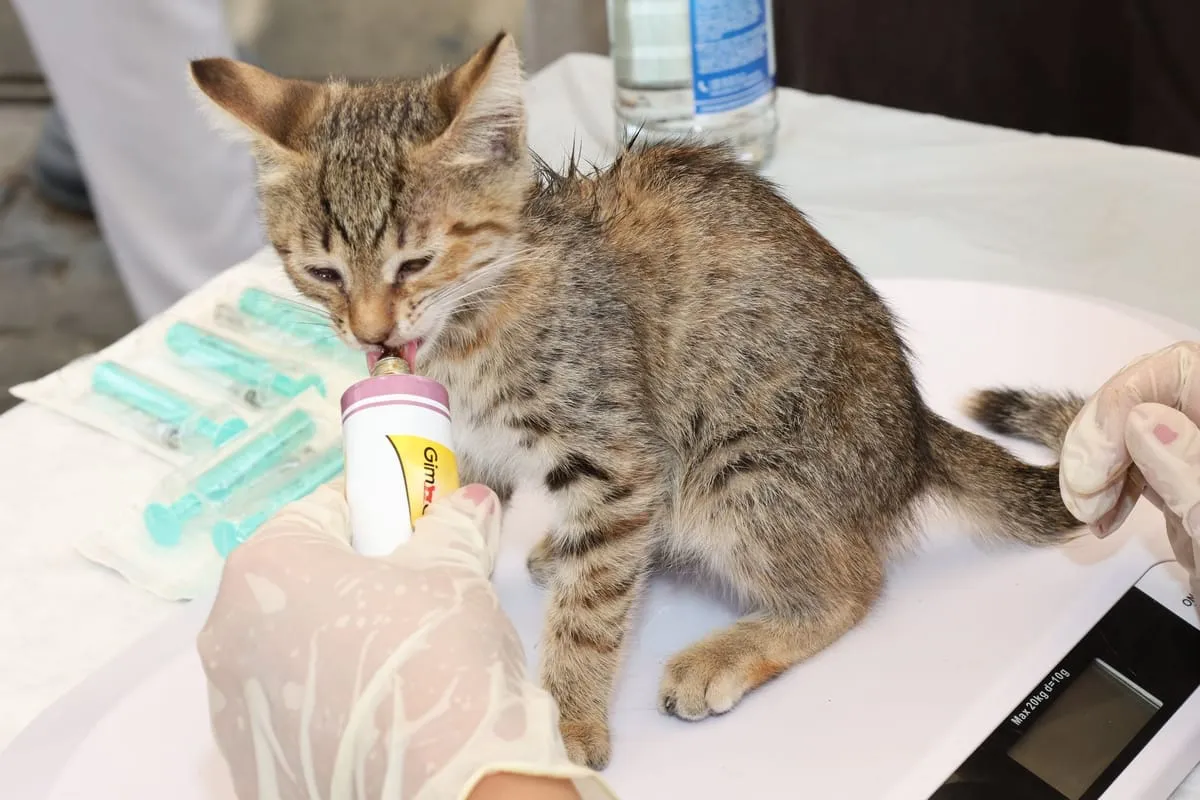
- Cats are often less food-motivated than dogs and many do not take pills in cheese, and because of the lactose issue it is not the best choice anyway. A small piece of plain cooked meat, a lick of a cat-safe paste, or a proper pill-giving technique or pill pockets from your vet usually work better for cats.