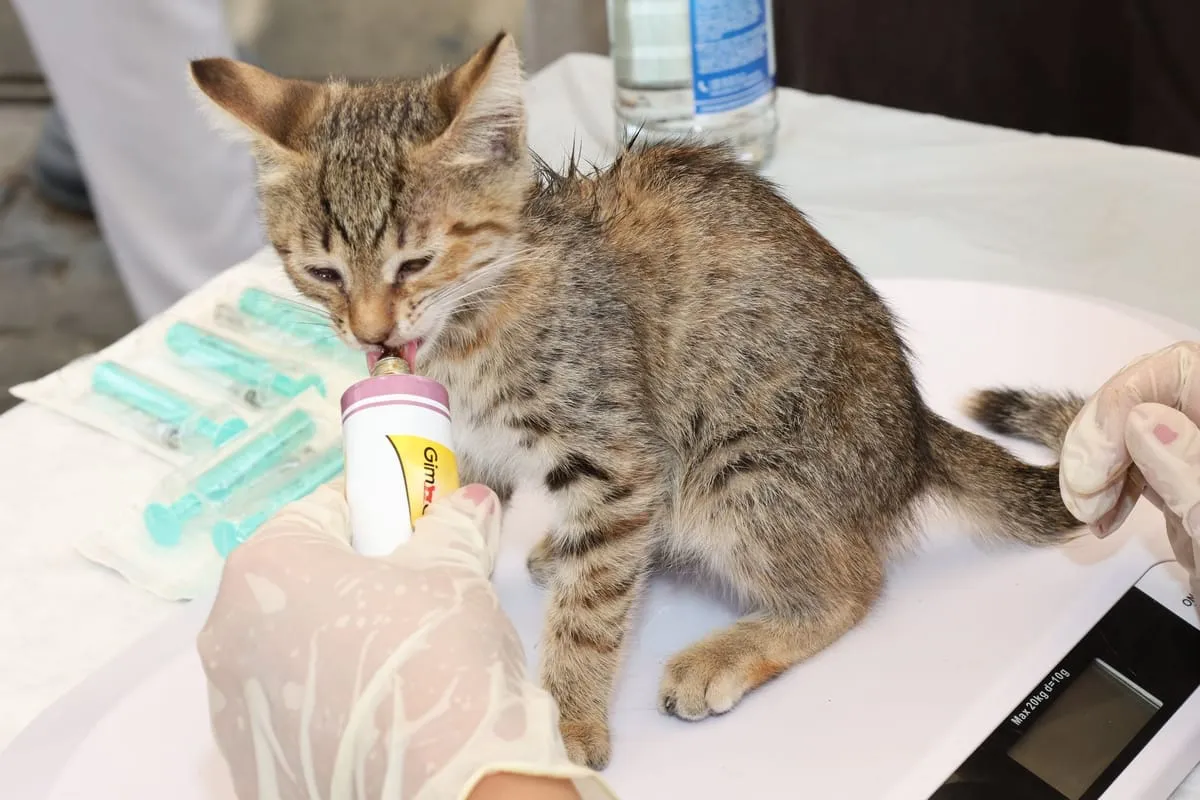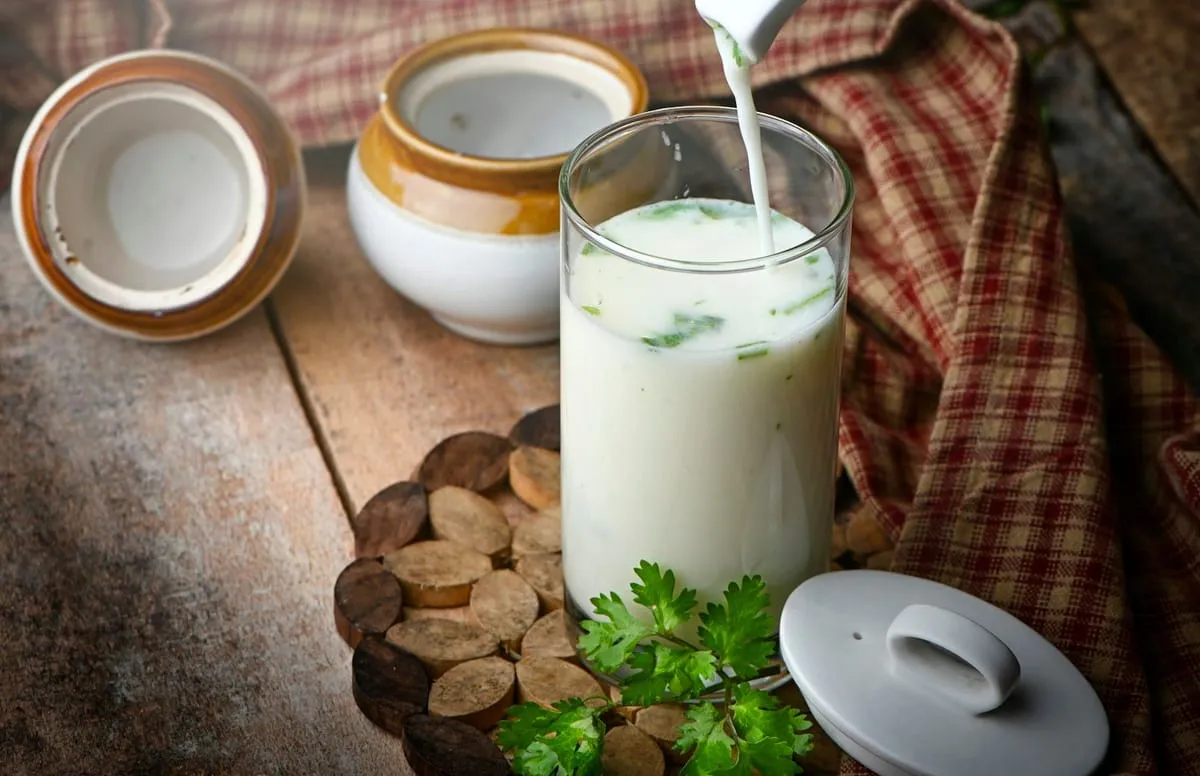
This is one where the famous image is simply wrong. Despite generations of pictures of cats lapping happily at a saucer of milk, most adult cats cannot properly digest milk, and giving it to them tends to cause an upset stomach rather than a treat. Milk is not toxic, so a little will not poison a cat, but it is not the kindness it looks like, and the honest answer is that most cats are better off without it. What a cat genuinely needs to drink is water.
Why milk does not suit most cats
The reason comes down to a single enzyme, and it explains why the saucer-of-milk tradition does cats no favours.
Kittens digest their mother’s milk using an enzyme called lactase, which breaks down the milk sugar lactose. As cats grow up, most produce much less lactase, so they lose the ability to digest lactose properly, in other words, most adult cats become lactose intolerant, just as many people are. When a lactose-intolerant cat drinks cow’s milk, the undigested lactose passes into the gut and causes problems: wind, stomach upset, and often diarrhoea. So the cat that laps up a saucer of milk may well pay for it with an uncomfortable tummy a few hours later. This is why, although milk is not poisonous, it is not a good thing to give, and the traditional image of milk as a natural cat treat is really a myth.
What cats should drink instead
If milk is off the menu, the good news is that what a cat actually needs is much simpler and always available.
Fresh, clean water is the drink that matters for a cat, and it should be available at all times. Cats can be a little casual about drinking, so it is worth making water appealing: clean bowls, more than one water source around the home, and, for some cats, a pet water fountain, since many cats prefer moving water and will drink more from one. Good hydration matters for cats, particularly for their kidneys and urinary health, so encouraging water intake is genuinely worthwhile, and it does far more good than any saucer of milk. If you really want to offer an occasional milky treat, special lactose-reduced cat milks are sold for the purpose, but even those are a treat rather than something a cat needs, and plain water remains the priority.
So, can cats drink milk? Most cannot digest it well, so it is best not to give it. The classic saucer of milk is a myth that tends to cause an upset stomach rather than being the treat it appears, and there is nothing in milk a cat actually needs. Give fresh water instead, make it appealing so your cat drinks plenty, and leave the milk out of it. For the wider picture of what is safe and unsafe to feed a cat, see our guide to safe and toxic foods for cats.
Common questions
- Is milk bad for cats?
- Milk is not toxic, but most adult cats are lactose intolerant and cannot digest it properly, so it commonly causes an upset stomach, wind, and diarrhoea. The traditional saucer of milk is more likely to make a cat uncomfortable than to be a treat, so it is best avoided.
- Why can't cats digest milk?
- Kittens produce an enzyme called lactase to digest their mother's milk, but most cats produce far less of it as adults, so they can no longer break down the lactose sugar in cow's milk. The undigested lactose then causes digestive upset. It is the same reason many people are lactose intolerant.
- What can cats drink instead of milk?
- Fresh, clean water is what cats actually need, and it should always be available. If you want to give an occasional treat, special cat milks that are lactose-reduced exist, but even these are treats rather than a necessity. Water is by far the most important drink for a cat.