People put enormous thought into which cat looks right and almost none into which cat fits, and then they live with the consequences for fifteen years or more. The truth about cats is that “breed” matters far less than it does with dogs, because most cats are moggies and, within any type, the individual varies enormously. The decisions that really shape how well it goes are the quieter ones: kitten or adult, one or two, and whether the particular cat in front of you suits the home you actually have. Get those right and you save yourself, and the cat, a great deal.
Kitten or adult: the choice that matters most
If you take one thing from this, let it be that the kitten-versus-adult decision affects your life together more than any question of breed.
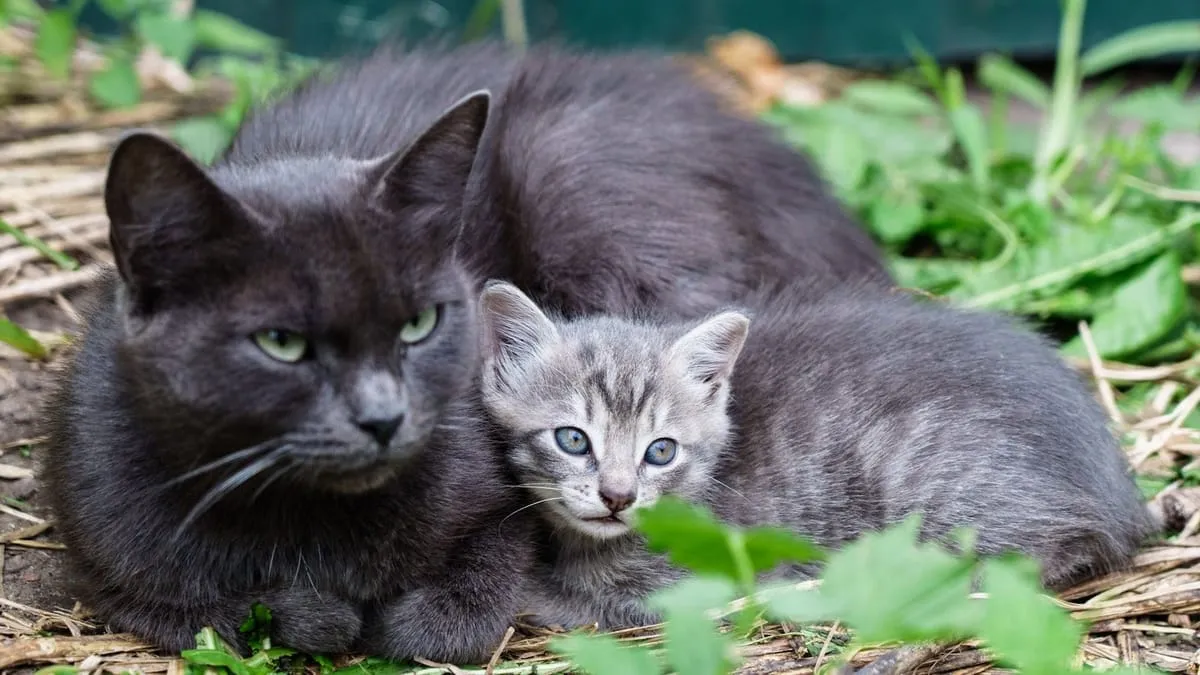
A kitten is enormously appealing and genuinely hard work. There is the mischief and the climbing and the small hours of the morning, yes, but the deeper point is that a kitten’s adult personality is still forming and still partly a gamble. You do not fully know who they will become. An adult cat, by contrast, is already themselves. A good rescue can tell you that this cat is a confident lap cat who adores children, or a shy soul who wants a quiet home and no dogs, and that knowledge is worth a great deal. You are choosing a known quantity instead of hoping a kitten grows into the cat you pictured.
For a lot of homes, particularly busy households, first-time owners, or anyone who wants a specific temperament, an adult cat is the wiser choice and not the consolation prize people assume. The kittens find homes easily. The steady, wonderful adult cats are the ones waiting.
Pedigree or moggie
The next question people agonise over usually matters less than they think, and it helps to be clear-eyed about what a pedigree does and does not buy you.
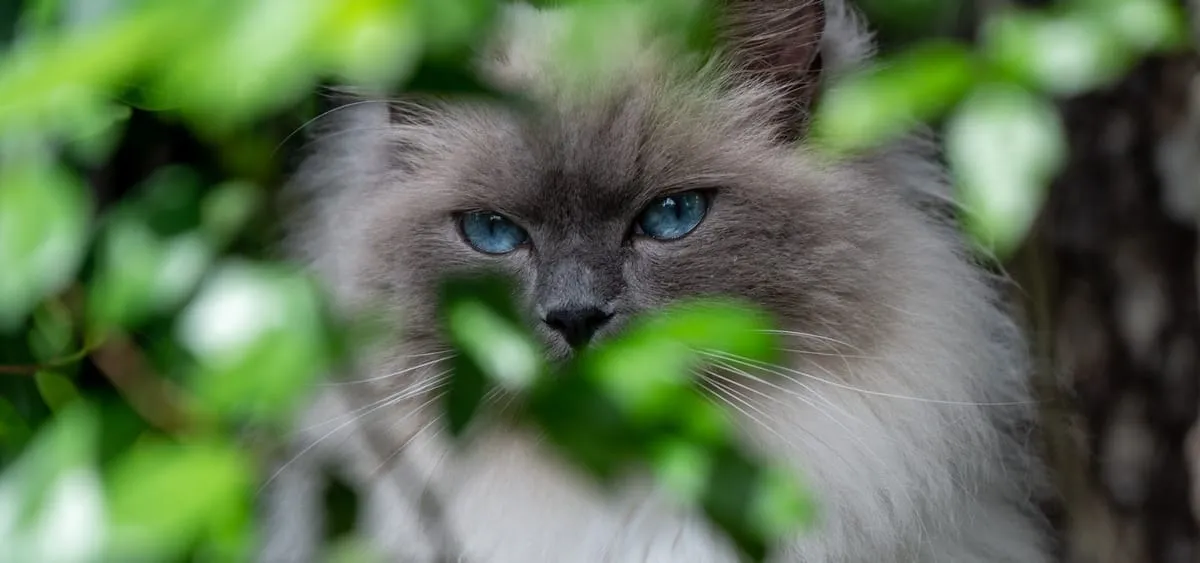
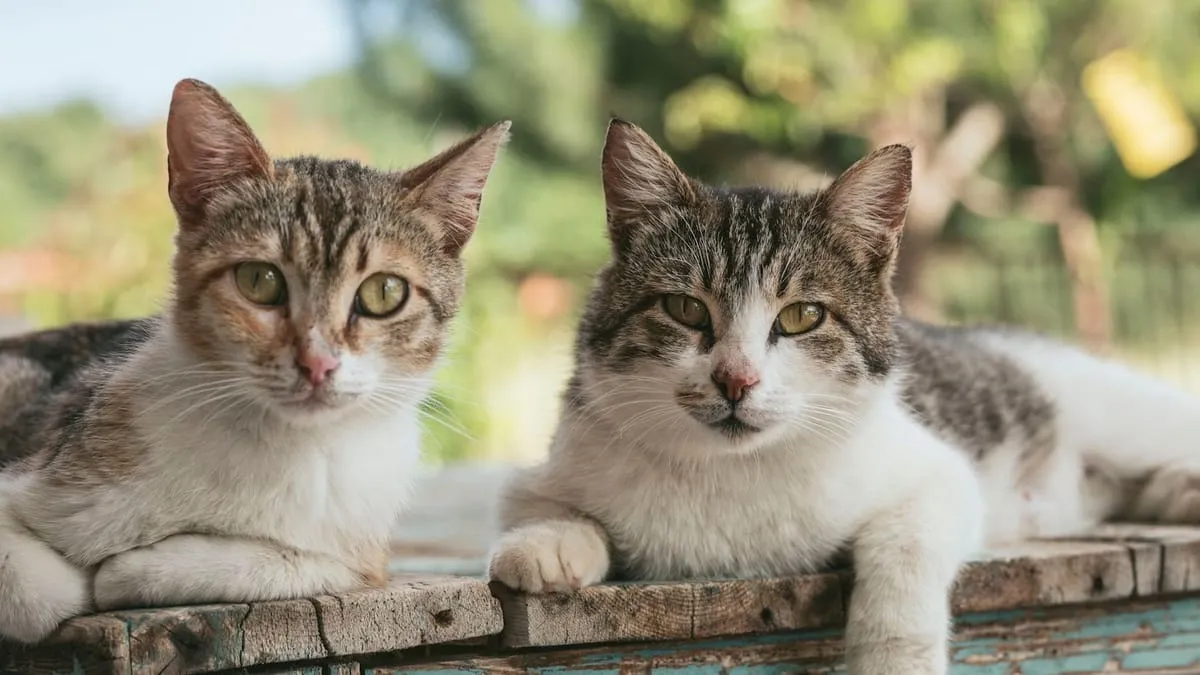
A pedigree cat gives you a fairly predictable look and some broad temperament tendencies, a Ragdoll is likely to be placid and people-oriented, a Bengal lively and demanding, which can genuinely help if you want a particular sort of cat. What it also often brings is a higher price and, in some breeds, a greater risk of inherited health conditions, which is exactly why responsible breeders health-test their cats. A moggie, the ordinary domestic cat that most of us live with, tends to be robust, comes without the price tag, and is every bit as affectionate and characterful. Neither is better. They are different trade-offs.
One cat or two, indoors or out
Two more decisions quietly shape daily life, and both are more nuanced than the common advice suggests.
On numbers, resist the assumption that a second cat is automatically kinder. Two kittens raised together often become lifelong company for each other, which can be lovely and takes some of the entertaining off you. But putting two unrelated adult cats together, especially in a smaller home with one set of resources, can create tension that never fully resolves, because cats are territorial and do not share the way we imagine. Plenty of cats are genuinely happiest as the only cat, provided they get enough attention and enrichment. Decide based on the specific cats and your space, not on a feeling that one cat must be lonely.
On indoor versus outdoor, be honest about your situation. An indoor life is safer and increasingly common, but it puts the whole job of keeping a cat stimulated on you, which is real work and the subject of keeping an indoor cat from getting bored. A cat with safe outdoor access gets a lot of that stimulation for free but faces roads and other risks. There is no universally right answer, only the one that fits your home, your area, and the individual cat.
Meet the actual cat
Whatever you have decided in principle, the cat in front of you is an individual, and the last and most important step is to pay attention to who they actually are.
Spend real time with them before you commit. Notice whether this cat seeks people out or shrinks away, how it responds to gentle handling, whether it seems settled or frightened. A confident, friendly cat and a nervous, under-socialised one can come from the same litter, and the difference will shape everything. Ask the rescue or breeder the awkward questions, why is this cat here, how is it with children or dogs, what does it not like, and listen for honest, specific answers rather than reassurance. The good ones will happily steer you away from a cat that is wrong for you, because they want the match to last as much as you do.
Choosing a cat well is not about finding the prettiest one or the fanciest breed. It is about being honest, kitten or adult, one or two, indoor or out, and then meeting the individual and trusting what you see. Do that, and most of the behaviour problems I get called about, the stress, the tension, the mismatch, never take root, because the cat and the home suited each other from the day it arrived. That first quiet decision does more good than anything you can do later.
Common questions
- Should I get a kitten or an adult cat?
- Kittens are hard work and their adult character is still a guess. An adult cat from a rescue comes with a known temperament, and a good rescue will tell you honestly how the cat is with people, children, and other pets. For many homes, especially busy or first-time ones, an adult is the easier and safer match.
- Are pedigree cats better than moggies?
- Not better, just more predictable in look and broad temperament, and often more expensive and more prone to certain inherited conditions. A moggie from a rescue is typically robust and every bit as loving. What matters most is the individual cat and how it was raised, not the label.
- Should I get one cat or two?
- It depends on the cats. Two kittens raised together often keep each other company, but forcing two unrelated adult cats together can create lifelong tension. Many cats are perfectly happy as the only cat with enough enrichment. Do not assume a second cat is automatically kinder.
- What should I ask a breeder or rescue before getting a cat?
- Ask how the cat or kitten was raised and socialised, its health history and any testing, how it is with people and other animals, and why it needs a home. Honest, detailed answers are a good sign. Vague answers, or pressure to decide quickly, are not.