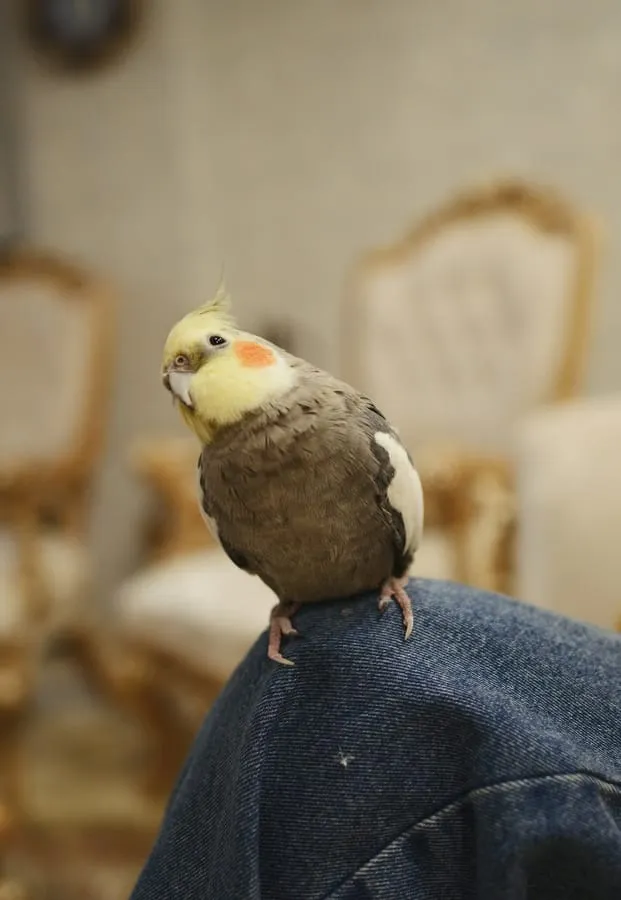
The cockatiel is, for many homes, close to the ideal pet bird: gentle, affectionate, characterful, and manageable, with that distinctive crest and those charming orange cheek patches. A step up in size from a budgie but far more approachable than a large parrot, the cockatiel combines a lovely temperament with a capacity for real bonding, and many become devoted, hand-tame companions. Like all parrots, though, they have genuine needs, and a cockatiel only becomes that wonderful companion when those needs are met. This is a care guide to help a cockatiel thrive, and to help you decide whether one is right for your home.
A gentle, characterful companion
The cockatiel’s temperament is its greatest strength, and understanding it explains why the breed is so widely loved.
Cockatiels are typically gentle, sociable, and affectionate, often forming close bonds with their people and enjoying being near them, sitting on a shoulder, or having their crest gently scratched. They are generally calmer and less nippy than many parrots when well socialised, which makes them popular with families and first-time bird keepers ready for a slightly bigger commitment than a budgie. They are also expressive and entertaining: the crest is a wonderful mood indicator, raised when alert or excited, flattened when frightened or cross, and they are famous whistlers, with many, particularly males, learning tunes and mimicking sounds, though clear speech is less common than in some parrots. This blend of a soft, affectionate nature with real personality and communicativeness is what makes cockatiels such rewarding birds, and a well-socialised, hand-tame cockatiel is one of the most companionable of all the smaller parrots.
Company and interaction
Like all parrots, cockatiels are flock animals, and their need for company is one of the most important things to get right.
A cockatiel needs regular social contact to be happy, whether from another cockatiel or from a human who genuinely spends a lot of time with it. A single cockatiel can make a wonderfully bonded pet, but only if you can provide the daily interaction to fill the role its flock otherwise would, since a cockatiel left largely alone with little attention can become lonely, stressed, and prone to problems. For households that cannot offer a great deal of one-on-one time, keeping a compatible pair or small group so the birds have each other’s company is often the kinder choice. Whichever route you take, the underlying point is the same: cockatiels are not birds to be acquired and then largely ignored in a corner, they are social creatures that need engagement, and meeting that need is central to keeping one well.
Diet and housing
As with every bird, diet and housing are where a cockatiel’s long-term health is largely made or lost, and both reward doing properly.
The diet story is the familiar one: an all-seed diet is a common cause of ill health, and a cockatiel does far better on a balanced diet of appropriate formulated pellets plus a daily variety of suitable fresh vegetables and greens, with seed as part of the mix rather than the whole, along the lines set out in why an all-seed diet is bad for your bird. On housing, cockatiels need a spacious cage, wide enough to allow some flight and movement, plus daily time out in a safe, bird-proofed room to properly exercise their wings and explore. A cramped cage with no out-time is a poor life for an active bird. Fresh water, safe perches of varying sizes, and a secure, calm location for the cage round out the basics. None of this is difficult, but all of it matters for a bird that may share your life for the better part of two decades.
Enrichment, and who they suit
Finally, cockatiels need mental stimulation like any parrot, and it is worth being honest about the commitment involved.
An intelligent, curious bird needs things to do, so a cockatiel’s home should include a variety of safe toys, opportunities to forage and chew, and regular interaction, the same enrichment principles that apply to any parrot in keeping a parrot from getting bored. As for who they suit: cockatiels are an excellent choice for households that are around a good deal and want a gentle, affectionate, characterful bird, that can provide company or a compatible pair, a good diet, a spacious cage with daily flight time, and enrichment, and that are ready for the long lifespan and the natural noise. They are less suited to someone out long hours who cannot provide company, anyone needing a silent pet, or those wanting a bird that asks nothing.
Given the right home, the cockatiel is one of the most rewarding pet birds there is, combining a genuinely gentle, loving nature with real personality, expressiveness, and that endearing whistle, in a size that suits many households better than a large, demanding parrot. Provide the company, diet, space, and stimulation it needs, accept the natural calls as part of the deal, and commit for the long haul, and a cockatiel will reward you with years of affectionate, characterful companionship, which is exactly why so many bird keepers hold the breed so dear.
Common questions
- Are cockatiels good pets?
- Yes, cockatiels are among the best pet birds for many homes, being gentle, affectionate, sociable, and characterful, and often becoming very tame and bonded to their people. They are a step up in size from a budgie but still manageable, and many are wonderful, gentle companions with the right care.
- Do cockatiels need company?
- Cockatiels are social flock birds and need company, whether from another cockatiel or from a very involved human who spends a lot of time with them. A cockatiel left alone with little interaction can become lonely and stressed, so they suit households that are around a good deal or can keep a compatible pair.
- Do cockatiels talk or whistle?
- More than talk, cockatiels are famous whistlers, and many, especially males, learn tunes and whistles, though some pick up a few words. They are also known for their expressive crest, which shows their mood, and for the loud calls they make, particularly at dawn and dusk, which is normal flock behaviour.
- How long do cockatiels live?
- A long time, often into their late teens and sometimes beyond twenty years with good care. This makes a cockatiel a genuine long-term commitment, and one reason it is worth getting the diet, company, and care right so the bird lives the full, healthy life it is capable of.