Reptiles are wonderful animals to keep, but they are not the easy, low-effort pets they are sometimes sold as, and choosing a first one badly is how people end up overwhelmed or with a sick animal. The single most important idea in reptile keeping is this: you are not really keeping an animal, you are keeping a habitat, and the animal lives inside it. Get the habitat right and a good beginner species almost looks after itself. Get it wrong and no species is easy. So choosing your first reptile is really two decisions, the setup you can run and the animal that suits it, and they have to be made together.
The enclosure is the real decision
Before you look at any species, understand that with reptiles the enclosure is not an accessory to the pet, it very nearly is the pet, and this reframes the whole choice.
A reptile is ectothermic and depends entirely on its environment for heat, and many species also need specific UVB lighting and controlled humidity to stay healthy. Recreating that correctly, the right basking temperature and a cooler end, the right UVB, the right humidity, all stable and measured, is the actual work of reptile keeping. The animal on top of that is often the easy part. This is why the honest question is not “which reptile do I want” but “which habitat can I realistically build and maintain, and which reptile fits it”. Someone who buys a reptile first and scrambles to sort the setup afterwards has done it backwards, and it is the commonest way beginners get into trouble. Decide what you can properly run, get it built and stable, and choose the animal to match.
What makes a good first reptile
With the setup in mind, the species that suit beginners share a few qualities, and choosing for those matters more than choosing for looks.
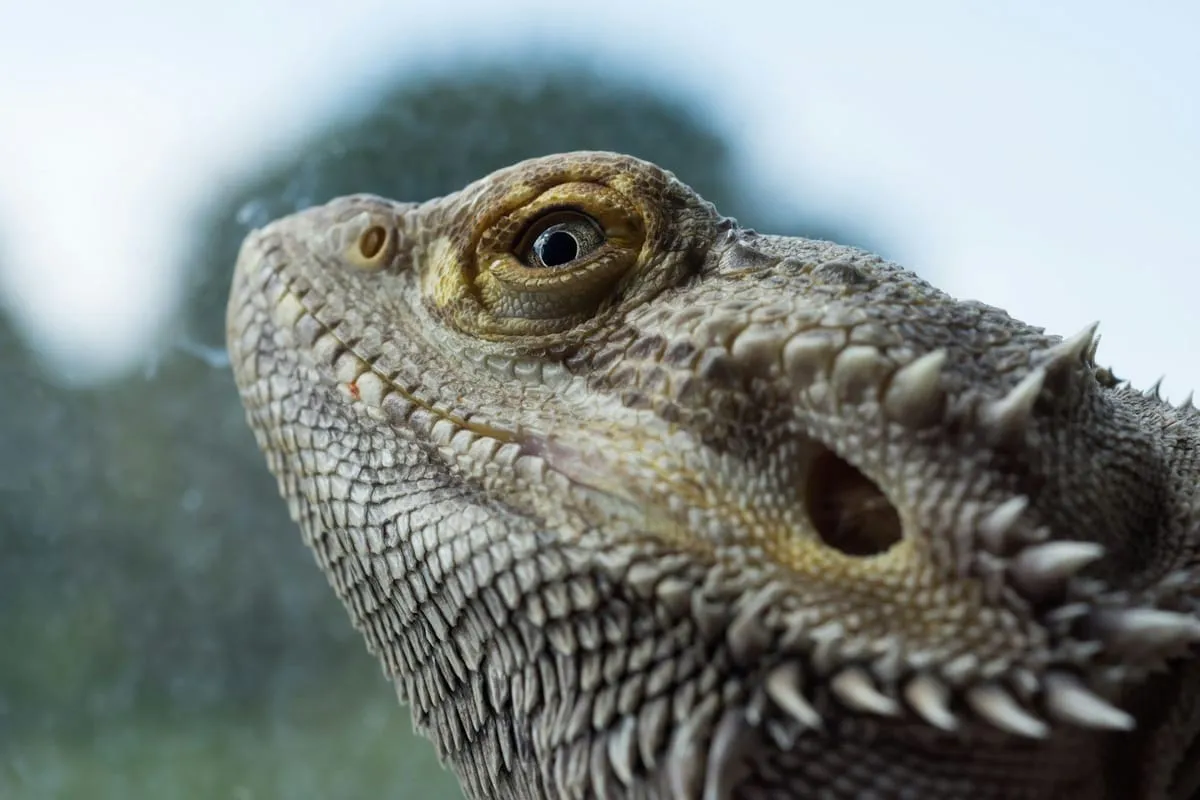
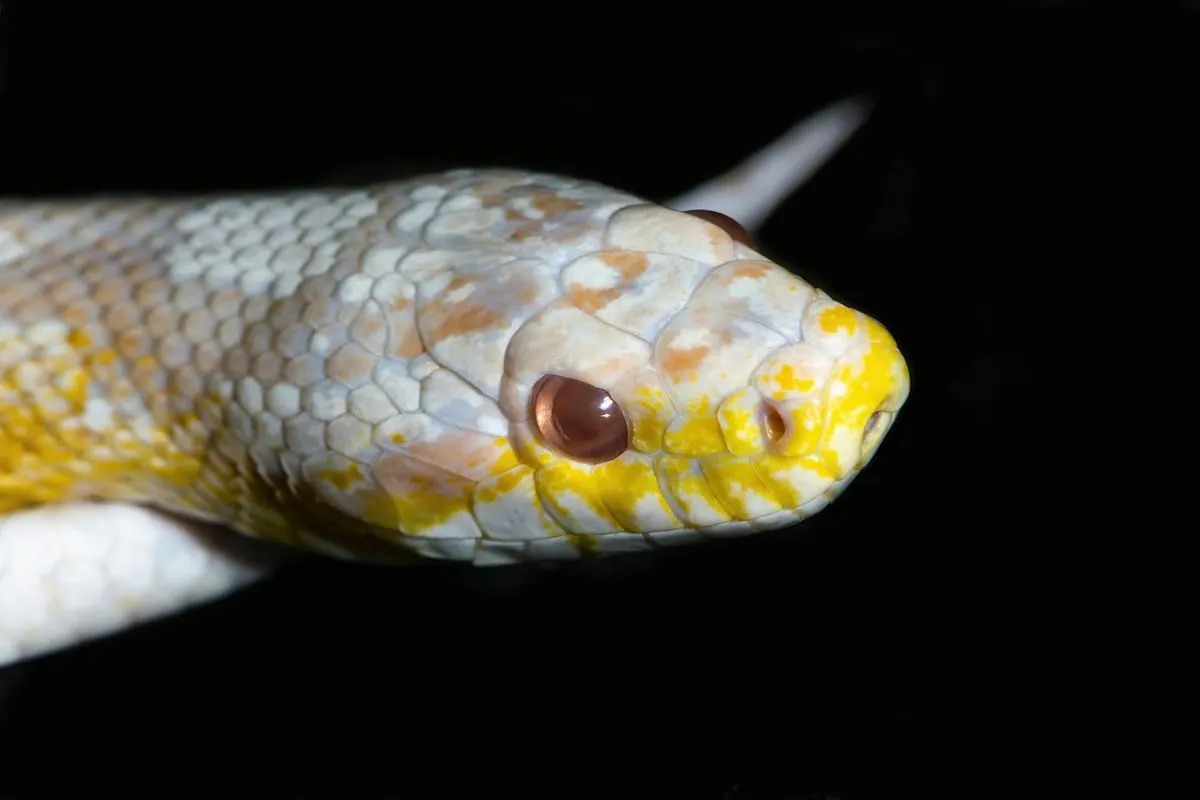
Look for reptiles with a strong reputation for being hardy, well-understood, and manageable in adult size, so there is plenty of reliable care information and the animal is forgiving of a learning curve. Leopard geckos, corn snakes, and bearded dragons are among the species most often recommended to beginners for exactly these reasons, though each has its own particular needs and setup, and none is “no effort”. The point is not a definitive best species but a set of criteria: well-documented care, a size you can house properly for the animal’s whole life, a temperament suited to a first-timer, and needs you can meet with the setup you can run. Research two or three candidate species in depth, including their adult size and full habitat requirements, before you commit to one.
Respect the commitment
Two things about reptiles catch people out after they have bought one, and both are worth facing honestly beforehand.
The first is lifespan. Many popular pet reptiles live well over a decade, and some snakes and tortoises very much longer, so a reptile is a genuine long-term commitment, not a passing interest. The second is that the daily reality is ongoing husbandry: checking and maintaining temperatures, UVB, and humidity, feeding correctly including the calcium and supplements many species need, and keeping the enclosure clean. It is rewarding, but it is real, regular care, not a fish-and-forget arrangement. Going in clear-eyed about both the years and the daily upkeep is part of choosing well, because a reptile taken on lightly and then found to be more work than expected is a reptile whose care slips.
Get it right before the animal arrives
The practical upshot of all this is a simple sequence that prevents most beginner disasters, and it is worth following in order.
Choose a species whose full requirements you understand and can meet. Build its enclosure and get it running, with correct heating, UVB where needed, humidity, hides, and reliable thermometers, before the animal comes home. Let it stabilise so you know the temperatures hold where they should, since guessing is what causes the feeding refusals and illness covered in why a reptile stops eating. Only then bring the reptile in, to a habitat that is already right. This order, setup first, animal second, is the single biggest difference between beginners who thrive and beginners who struggle.
Choosing a first reptile well, then, is less about picking the perfect species and more about being honest regarding the habitat you can maintain and the years you can commit, and then selecting a hardy, well-understood animal to match. Do that, get the enclosure right before the reptile arrives, and keep up the husbandry, and reptile keeping is a genuinely absorbing, long-lasting hobby. The animals reward the effort. They just need you to do the habitat justice first.
Common questions
- What is the best reptile for a beginner?
- Species with a reputation for being hardy, well-understood, and manageable in size are the usual starting points, with leopard geckos, corn snakes, and bearded dragons often recommended. The best choice depends on the setup you can provide, so match the reptile to a habitat you can realistically maintain.
- Are reptiles easy pets to keep?
- They can be very rewarding but they are not low-effort. The animal itself may be calm, but recreating the correct heat, UVB, and humidity takes knowledge, kit, and daily attention. Reptiles are best thought of as pets where you keep a habitat, and the animal lives in it.
- What do I need before buying a reptile?
- A correctly sized enclosure set up and running with the right heating, UVB where the species needs it, humidity, hides, and reliable thermometers, all dialled in and stable before the animal arrives. Buying the setup after the reptile, or underestimating it, is the most common beginner mistake.
- How long do pet reptiles live?
- Often a long time. Many popular pet reptiles live well over a decade, and some snakes and tortoises far longer. A reptile is a genuine long-term commitment, so it is worth choosing one whose lifespan and eventual size you are happy to live with.