One of the first things new reptile keepers want to know is how to handle their animal, and it is worth starting with an honest reframing, because reptiles are not dogs. A reptile does not crave your company or handling the way a mammal does. At best, many reptiles learn to tolerate being handled calmly, and some become genuinely relaxed about it, but the goal is never affection, it is calm acceptance built slowly and on the animal’s terms. Approached that way, handling can become a low-stress, even enjoyable part of keeping many reptiles. Rushed or forced, it stresses the animal, damages trust, and can earn you a bite. The difference is all in the patience and the reading of the animal.
Start by leaving it alone
The most important early step is counterintuitive: when you first get a reptile, the best thing you can do is largely not handle it, and understanding why sets up everything that follows.
A new reptile has just been through the upheaval of being moved to a strange environment, and it needs time to settle, feel secure, and start eating normally before you add the stress of handling on top. Diving straight in to handle a new arrival is a common mistake that stresses the animal at exactly the wrong moment and can put it off feeding. So give a new reptile a couple of weeks to acclimatise, get comfortable in its enclosure, and establish a feeding routine, interacting only as much as care requires, before you begin handling in earnest. This early patience pays off, because a settled, secure animal is far more receptive to being handled than a stressed new arrival still finding its feet. Resisting the urge to handle straight away is the foundation of doing it well.
Build it up gently
Once the animal has settled, the way to build handling tolerance is through short, calm, frequent sessions that grow gradually, working with the reptile rather than overwhelming it.
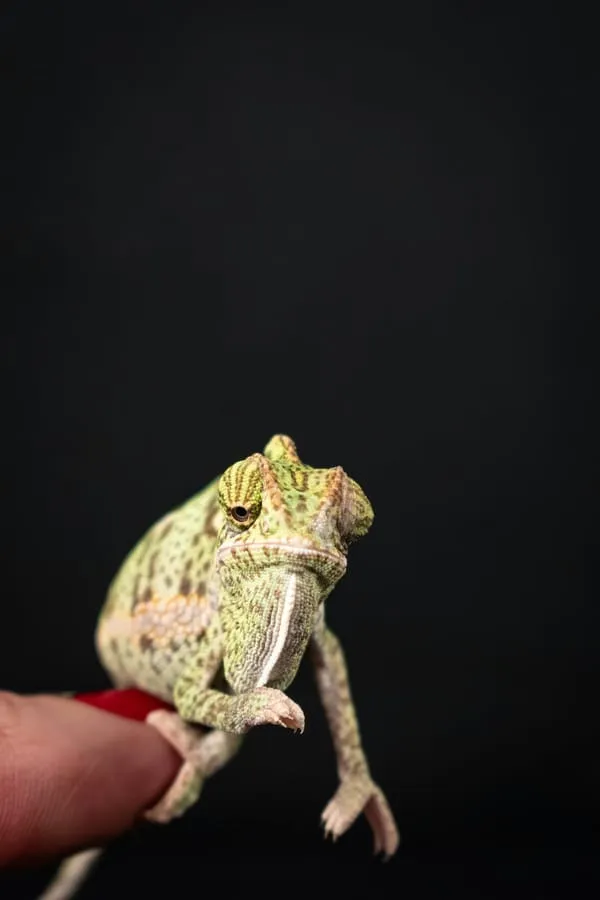
Begin with brief sessions of just a few minutes, and keep everything slow and calm. Support the animal’s body fully, since a reptile that feels insecure or unsupported, dangling or gripped tightly, feels threatened, whereas one that is well supported and can rest calmly on your hands feels safer. Move deliberately rather than making sudden grabs, and stay relaxed yourself, because tension and quick movements read as danger. As the animal grows more comfortable over days and weeks, you can gradually lengthen and increase the sessions. The principle is little and often: frequent short, positive experiences build tolerance far better than occasional long ones, which are more likely to tip into stress. Over time, many reptiles come to accept handling as a routine, unthreatening part of life, and some clearly relax into it, though always within the reality that this is tolerance rather than a dog’s delight.
Read the animal, and respect its limits
The skill that makes handling safe and low-stress is learning to read your reptile’s body language, because it tells you clearly when it has had enough.
Reptiles show stress and discomfort in fairly recognisable ways, and knowing them lets you respond before things escalate to a bite. Watch for an animal trying hard to flee, puffing itself up, hissing, twitching or waving its tail, or, in a snake, balling up defensively or striking. Some species darken in colour when stressed, and a generally tense, rigid posture is a sign too. When you see these signals, the right response is to calmly and gently return the animal to its enclosure, not to push on. Forcing continued handling on a clearly stressed reptile teaches it that being handled is frightening and that you do not listen, which makes it more defensive over time, and it is how keepers get bitten. Respecting the animal’s limits is not giving in, it is how you build the trust that makes future handling easier.
Handling as part of good care
Done properly, handling is not just about your enjoyment but can support the animal’s wellbeing, and it fits into the broader picture of reading and respecting your reptile.
Calm, regular handling lets you check the animal over, spot early signs of problems, and keep it used to being examined, which makes vet visits and health checks easier. It works best as one part of a relationship built on understanding the animal, the same understanding that lets you read its everyday behaviour and stress signals and keep its husbandry right. A reptile whose environment is correct and whose limits are respected is a calmer, more confident animal all round, and one that is easier and safer to handle as a result.
The heart of handling a reptile well, then, is patience and respect: let a new animal settle first, build up slowly with short, calm, well-supported sessions, read the body language and stop when the animal asks you to, and avoid the times when handling is unwise. Approached this way, many reptiles become perfectly relaxed to handle, and the process strengthens rather than strains the relationship between you. It just requires letting go of the idea that a reptile should enjoy handling the way a dog does, and meeting the animal where it actually is, which, as with so much of reptile keeping, is where success lies.
Common questions
- Do reptiles like being handled?
- Most reptiles do not enjoy handling the way a dog or cat enjoys affection, they tolerate it at best. Some become quite relaxed with gentle, regular handling, while others remain stressed by it. The goal is calm tolerance built slowly, not affection, and respecting a reptile that clearly does not want to be handled.
- How do I get my reptile used to being handled?
- Let it settle into its enclosure first for a couple of weeks, then start with short, calm, frequent sessions, supporting the body fully and moving slowly. Keep sessions brief at first and build up gradually as the animal grows more comfortable, always reading its body language and stopping if it is stressed.
- How can I tell if my reptile is stressed by handling?
- Signs include trying to flee, puffing up, hissing, tail twitching or waving, a snake balling up or striking, colour darkening in some species, and general tension. If you see these, put the animal back gently. Forcing handling on a stressed reptile damages trust and can lead to bites.
- How often and how long should I handle my reptile?
- Short, regular sessions are better than long, infrequent ones, especially early on. Keep first sessions to a few minutes and build up. Avoid handling right after feeding, when the animal is in shed, or when it is clearly stressed, and always let it have plenty of undisturbed time too.