Christmas turns a calm home into a wonderland of things a cat wants to climb, bat, chew, and swallow, and some of them are genuinely dangerous, one of them fatally so. Cats are curious, agile, and drawn to exactly the things that pose the biggest risks: dangling tinsel, string, a tree full of decorations, and festive flowers. The good news is that a cat-safe Christmas is very achievable once you know the hazards, and one of them matters far more than all the rest. So here is what to watch for, starting with the danger every cat owner must know about.
As always, the honest note: I am a writer, not a vet, and if your cat has contact with anything dangerous, call your vet straight away.
Lilies: the danger that comes first
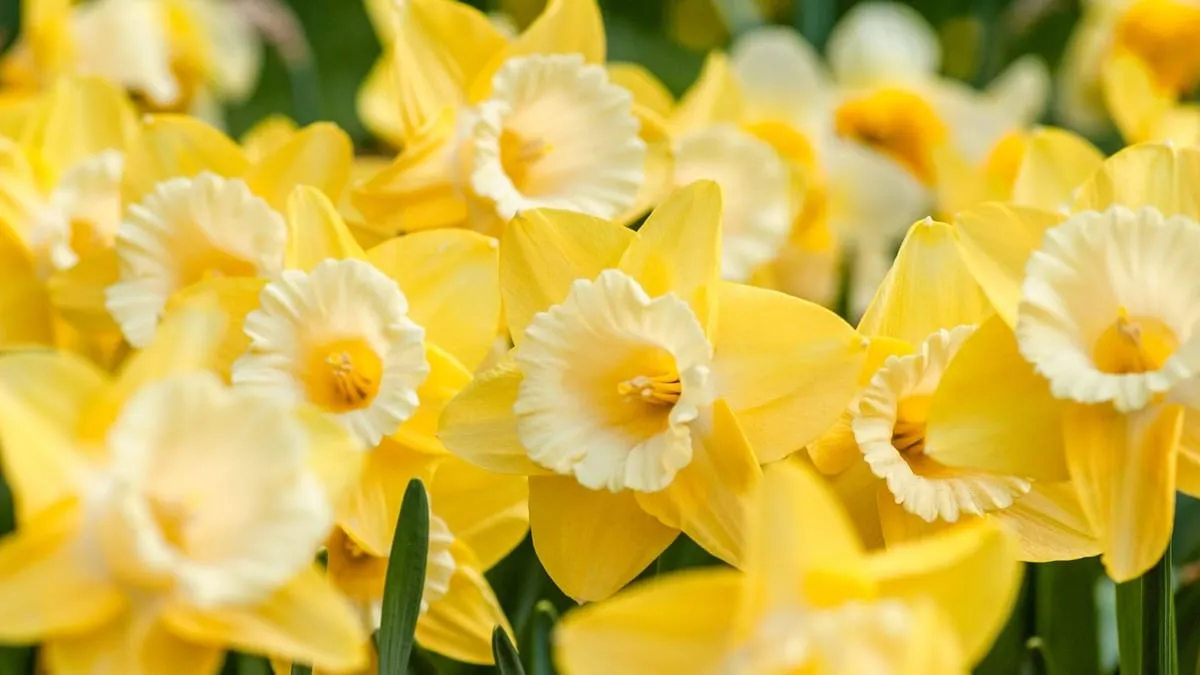
This is the most important thing in the whole article, because lilies can kill a cat, and they turn up in Christmas bouquets all the time.
Nothing else in this article is as dangerous as a lily, so if you take one thing away, make it this: no lilies in a cat’s home, ever, and especially not in the flower-heavy Christmas season.
Tinsel, ribbon, and the tree
After lilies, the classic cat-specific Christmas hazard is string, and cats find it irresistible.
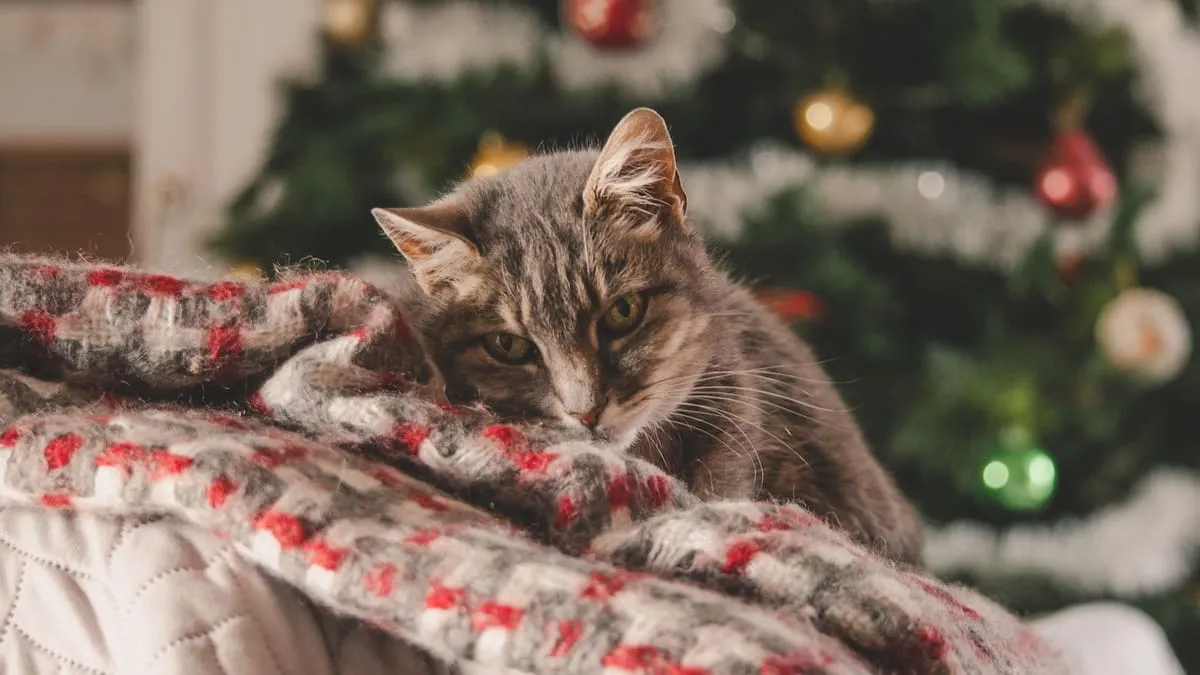
Cats are strongly drawn to playing with and swallowing string-like things, and tinsel, ribbon, and gift-wrap string are exactly that. Swallowed, they can cause a serious and sometimes life-threatening blockage in the gut, a linear foreign body, which frequently needs surgery to fix. Keep tinsel, ribbon, and string well away from cats, and clear up wrapping promptly after presents are opened rather than leaving a tempting pile of ribbon around. The tree itself is a climbing magnet, so secure it so it cannot be toppled, keep the lower branches clear of dangling decorations, cover the water in a real tree’s stand (it can contain harmful preservatives), and tuck fairy-light wires away, since chewing them risks electrocution. Glass baubles that shatter are a hazard too.
Festive food and other hazards
Cats are less food-obsessed than dogs, but festive food still poses real risks, along with a few other seasonal dangers.
Keep the same dangerous foods away from cats as from dogs: chocolate, the dried fruit in mince pies, Christmas pudding, and cake, onions and onion-based stuffing, cooked bones, very fatty leftovers, alcohol, and anything with xylitol. Cats may be choosier, but they can still get into things, so do not leave festive food out or offer rich scraps, and see our guide to safe and toxic foods for cats for the fuller picture. Beyond food, watch lit candles, which a cat can easily knock over or singe itself on, keep other festive plants like holly, mistletoe, and poinsettia out of reach, and be careful with the small parts and batteries that come with gifts.
Give your cat somewhere to escape
The final hazard is stress, which is easy to forget in the festive rush but matters a lot to a cat.
Christmas is disruptive: strangers, noise, furniture moved, routines upended, and many cats find all of it stressful. Make sure your cat has a quiet, elevated place to retreat to, away from the visitors and the bustle, and let it take itself off there rather than being handled by excited guests. Try to keep feeding and litter routines steady, and give a nervous cat somewhere to hide and feel safe. A cat that can escape the chaos when it wants to copes far better with the season, and is less likely to get into mischief born of stress.
The bottom line is that a cat-safe Christmas comes down to one non-negotiable rule and a handful of sensible precautions: never have lilies in the house, keep tinsel, ribbon, and string away, secure the tree, keep dangerous foods and plants out of reach, mind the candles, and give your cat a calm bolt-hole from the festivities. Get the lilies right above all, keep your vet’s number and a pet poison line to hand, and you can enjoy Christmas with your cat safe throughout.
Common questions
- Are lilies dangerous to cats at Christmas?
- Yes, and this is the most important thing to know. Lilies are extremely toxic to cats and can cause fatal kidney failure, even from tiny amounts, including the pollen, a single leaf, or the water in the vase. They appear in many Christmas bouquets and flower arrangements. The only safe approach is to keep lilies out of any home with a cat entirely. If your cat has had any contact with a lily, treat it as an emergency and call your vet at once.
- What Christmas foods are dangerous for cats?
- Chocolate, anything with grapes, raisins, sultanas, or currants such as mince pies and Christmas pudding, onions and onion-based stuffing, cooked bones, very fatty leftovers, alcohol, and anything with the sweetener xylitol are all dangerous. Cats are often less food-driven than dogs, but they can still get into festive food, so keep it out of reach and do not offer rich leftovers.
- Why are tinsel and ribbon dangerous for cats?
- Cats are strongly drawn to playing with and swallowing string-like things, and tinsel, ribbon, and gift string can cause a serious, sometimes life-threatening blockage in the gut, known as a linear foreign body, which often needs surgery. Keep tinsel, ribbon, and string well away from cats, and clear it up promptly after unwrapping presents.
- How do I keep my cat safe and calm at Christmas?
- Keep lilies out of the house entirely, secure the tree and keep tinsel and string away, keep dangerous festive foods out of reach, watch candles, and give your cat a quiet space to escape the visitors and noise. Cats often find the disruption stressful, so a calm retreat and a steady routine matter as much as removing the physical hazards.