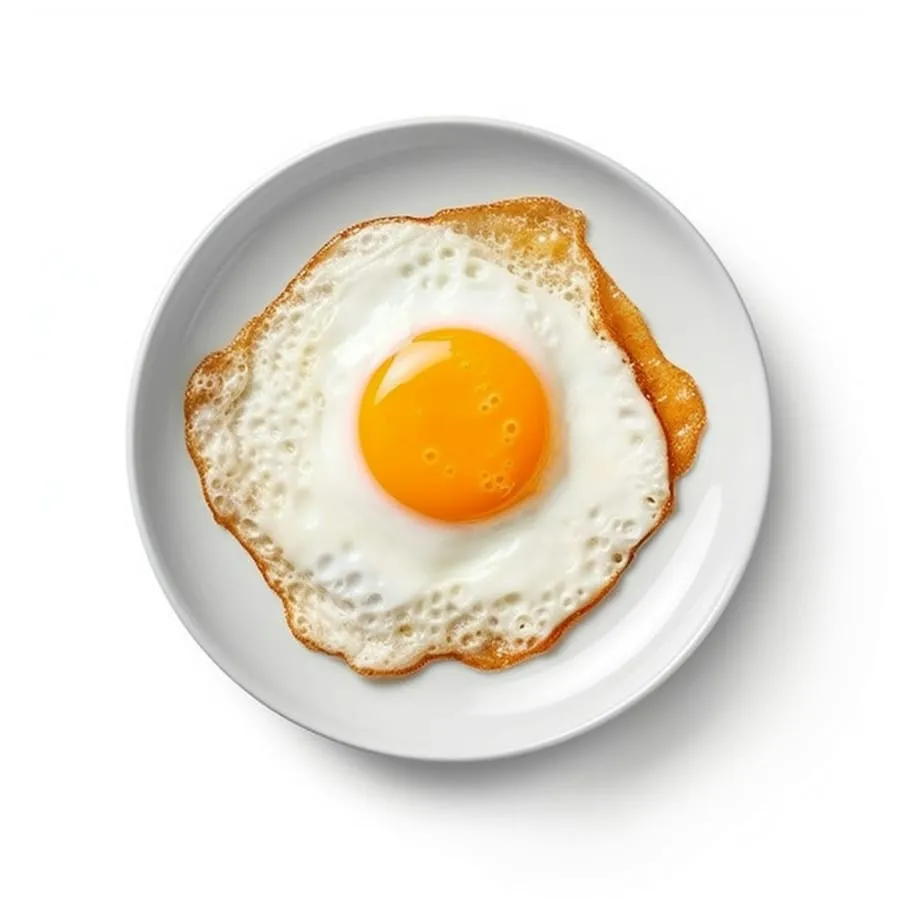
Yes, cats can eat eggs, as long as they are cooked. A little plain cooked egg is a safe, protein-rich treat that many cats enjoy, and since cats are meat-eaters that thrive on animal protein, it is a wholesome occasional snack. There are just two clear rules: the egg must be cooked, never raw, and it should be a small treat rather than a meal. Get those right and egg is one of the nicer things you can share with a cat.
Why cooked egg is a good treat
Egg suits cats well because it plays to what they are built to eat, which is animal protein.
Cats are obligate carnivores, meaning their bodies are designed to run on meat and animal products, so a food like egg, which is rich in high-quality protein, fits their nature better than the fruits and vegetables that make good dog treats. Cooked egg gives a cat a tasty, protein-packed morsel, and many cats are keen on it. It is easy to prepare and easy to portion into small treat-sized amounts. That said, egg is a treat and not a diet: a cat’s full nutritional needs are met by a complete, balanced cat food, and no single food like egg provides everything a cat requires, so it should be an occasional extra rather than a meaningful part of the diet.
Cooked only, never raw
The one firm safety rule with egg is that it must be cooked, and it is worth understanding why raw egg is best avoided.
Beyond cooking it, keep the egg plain. Cook it by boiling or scrambling with nothing added, no butter, oil, salt, milk, or seasoning, since those extras are unnecessary and some, like too much salt, are not good for cats. Let it cool before offering it. Both the yolk and the white are fine once cooked, so a small piece of plain boiled or scrambled egg is all you need.
Keep it small and occasional
As with any treat, moderation is the final piece, because even a healthy food is an extra on top of a balanced diet.
Offer only a small amount of egg, a little piece or a spoonful of scrambled, as an occasional treat rather than a regular feature. Too much of any rich food can cause a stomach upset or add unwanted calories, and treats of all kinds should stay well within a small fraction of what your cat eats, with a complete cat food doing the real feeding. If your cat has a health condition or is overweight, it is worth checking with your vet before adding treats like egg.
So, can cats eat eggs? Yes, plain cooked egg is a safe, protein-rich treat that suits a cat’s carnivorous nature, as long as it is always cooked, never raw, kept plain, and given in small occasional amounts. It is one of the more wholesome things you can share with a cat. For the wider picture of which foods are safe and unsafe for cats, see our guide to safe and toxic foods for cats.
Common questions
- Are eggs good for cats?
- Cooked eggs are a safe, protein-rich treat for cats in small amounts, and many cats enjoy them. As obligate carnivores, cats do well on animal protein, so a little plain cooked egg is a wholesome occasional treat, though it is not a substitute for a complete cat food.
- Can cats eat raw eggs?
- No, raw eggs are best avoided. Raw egg white contains a protein that can interfere with a vitamin called biotin, and raw egg carries a risk of bacteria like salmonella. Cooking the egg removes both concerns, so always serve egg cooked, plain, and without any seasoning.
- How should I serve egg to my cat?
- Cook it plainly, boiled or scrambled with nothing added, no butter, oil, salt, or seasoning, and let it cool. Offer a small amount, a little piece or spoonful, as an occasional treat rather than a meal. Both the white and the yolk are fine once cooked.