Cats have a reputation as the low-maintenance, low-cost pet, and compared with a dog there is truth in it. But low-cost is not no-cost, and a cat is still a commitment of fifteen years or more with a real annual price attached, plus the same wildcard every pet owner faces: the unexpected vet bill. A lot of people budget for a kitten and a bag of food and are then surprised by insurance, litter, dental work, or an emergency. So this is an honest look at the true cost of owning a cat over its whole life, so you can plan for the real figure rather than the kitten price.
Costs vary with your cat, where you live, whether it is a pedigree or a moggy, and the choices you make, so treat everything here as realistic UK estimates to plan around rather than a quote.
The upfront costs
Cat ownership starts with two lumps: getting the cat, and setting it up.
The purchase price varies hugely, from a modest rescue fee to a health-tested pedigree kitten running well into three figures or beyond. On top of that, the first year brings neutering, initial vaccinations, microchipping, and the kit: a litter tray, scratching post, carrier, bowls, and a bed. A rescue often arrives already neutered, vaccinated, and microchipped, which folds several of those costs into a single modest fee, one of the reasons rescuing is usually the cheaper way in. Either way, the upfront spending is front-loaded into the first few months and is worth having ready.
The ongoing costs, year after year
This is the real cost of a cat, the money that goes out every year for its whole life.
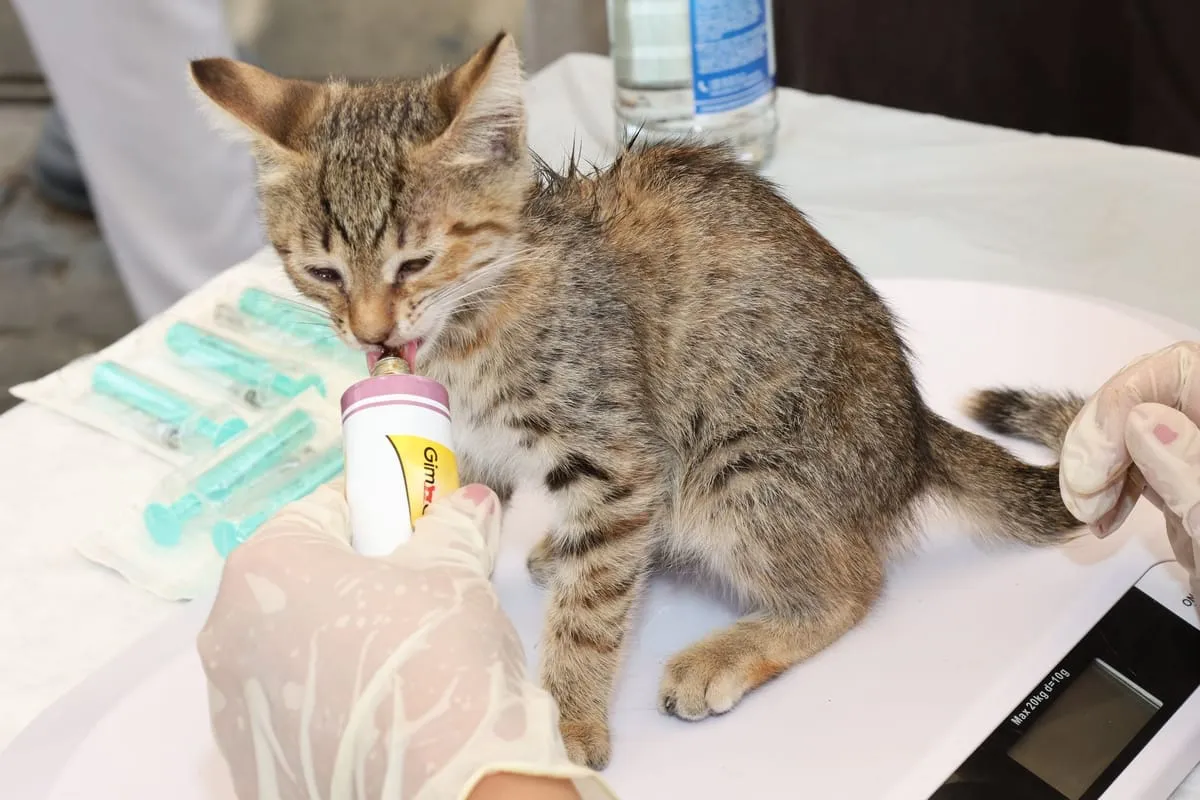
The steady annual costs are food, litter, insurance, routine veterinary care such as vaccinations and health checks, and preventive treatments for fleas and worms. For a typical cat these add up to somewhere around £700 to £1,500 a year, and more for a large or pedigree cat, or one with health problems. Litter is a genuine, easily forgotten monthly cost for indoor cats, and food quality makes a real difference to the total. Cats are cheaper to run than dogs, mainly because they are smaller and need no walking or boarding in the same way, but the annual cost is far from trivial across a long life.
The costs people forget
Several real costs catch cat owners out because they are easy to leave off the mental budget.
Insurance premiums rise as a cat ages, so the cheap kitten policy is not what you will pay later. Dental disease is common in cats and dental work is not cheap. Neutering is a first-year cost people sometimes overlook. Boarding or a cat sitter when you are away is a recurring cost for some. And, as with any pet, there is the big one.
Keeping the cost sensible
A cat need not be expensive, and several choices genuinely lower the total.
Rescuing rather than buying, insuring early and properly, keeping your cat at a healthy weight, and staying on top of cheap preventive care all reduce lifetime costs. Weight matters more than people think: an overweight cat is more expensive to feed and more prone to costly conditions like diabetes. Feeding a measured amount rather than free-feeding, and keeping up dental and parasite care, both pay off. Our cat food calculator helps you feed the right amount, with the important warning about not crash-dieting a cat built in.
Breed by breed
If you have a particular breed in mind, its costs can sit well above those of an average moggy, so it is worth looking at the specific cat. We have honest, breed-by-breed cost breakdowns for some of the most popular pedigrees:
- How much does a Maine Coon cost? (a big cat with inherited health risks)
- How much does a British Shorthair cost? (economical, but watch the weight and the health tests)
- How much does a Ragdoll cost? (size, coat, and a heart condition to insure against)
The honest bottom line is that a cat is cheaper than a dog but still a real, multi-year financial commitment, and the owners who cope best are the ones who planned for the whole life rather than the kitten. Budget for the annual running costs, insure properly, and if you have a choice, remember that a rescue moggy is usually the economical option. If you are still choosing, our guide to choosing the right cat for your home is the place to start. And for the bigger picture, including how many people own pets in the UK and what they pay to insure them, see our UK pet ownership statistics.
Common questions
- How much does it cost to own a cat per year?
- For most cats, the ongoing cost runs to somewhere around £700 to £1,500 a year once you include food, litter, insurance, routine veterinary care, and preventive treatments, and more for a pedigree or a cat with health problems. That is before any one-off emergencies. Cats are generally cheaper to keep than dogs, but the annual cost is still real and adds up over a long life.
- What is the biggest cost of owning a cat?
- Over a lifetime it is usually the combination of food and veterinary care, with unexpected vet bills being the cost that catches people out. A single emergency or a chronic condition, and cats are prone to a few, can run to thousands of pounds, which is why insurance or a savings buffer matters. The purchase price is a small share of the total.
- What costs do people forget when getting a cat?
- The most overlooked are insurance rising with age, litter as a constant monthly cost for indoor cats, dental care, which cats often need, neutering, and the strong chance of at least one significant vet bill over a long life. Budgeting only for food and the kitten is how people get caught short.
- Is a rescue cat cheaper than a pedigree?
- Usually much cheaper to take on, since rescue fees are far below breeder prices and reputable rescues neuter, vaccinate, and microchip before rehoming. The ongoing costs are similar to any cat. A pedigree costs more upfront and some breeds carry inherited health risks, so a rescue moggy is often the lower-cost option over a lifetime.