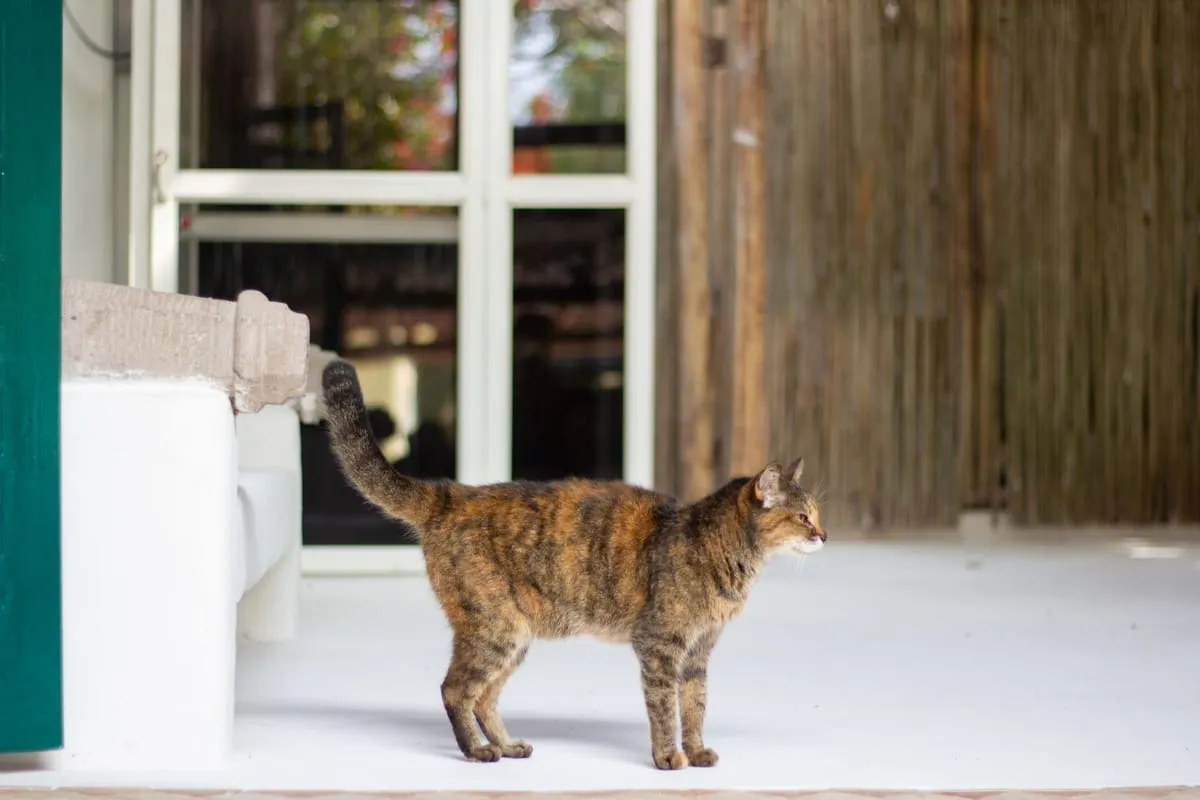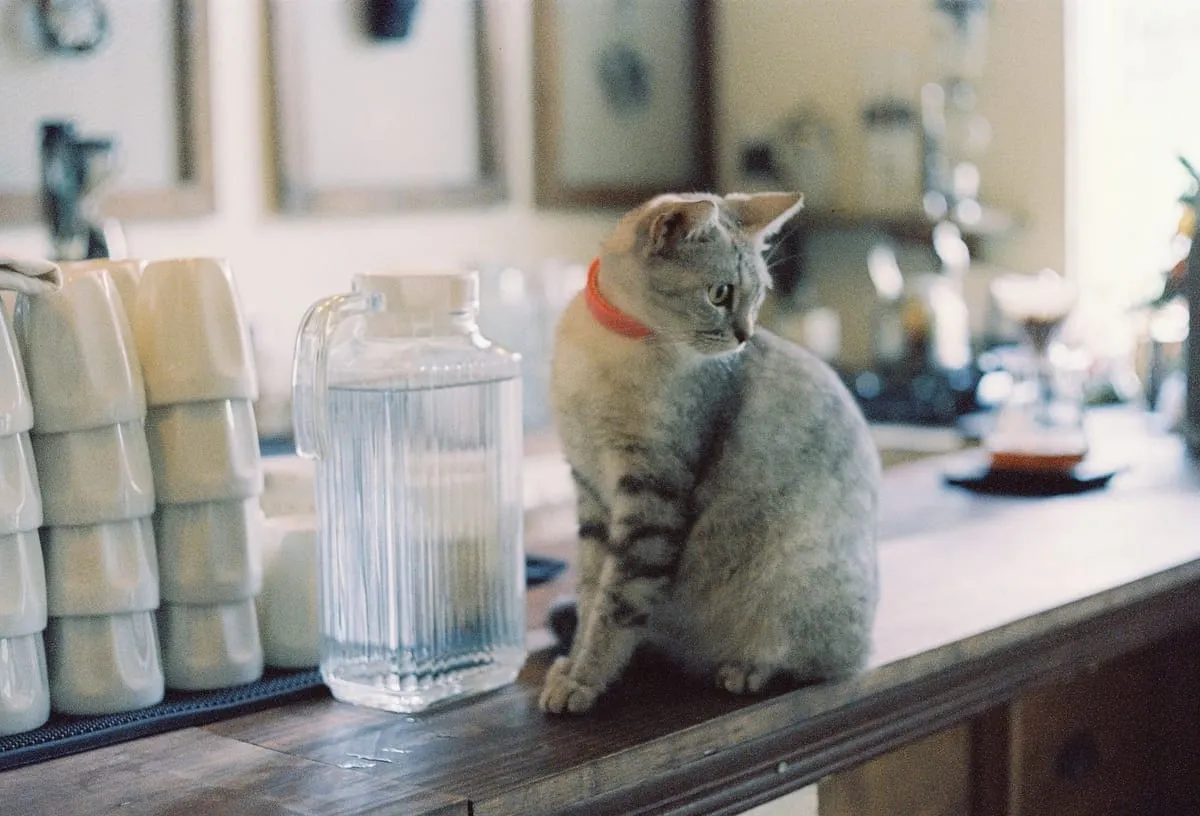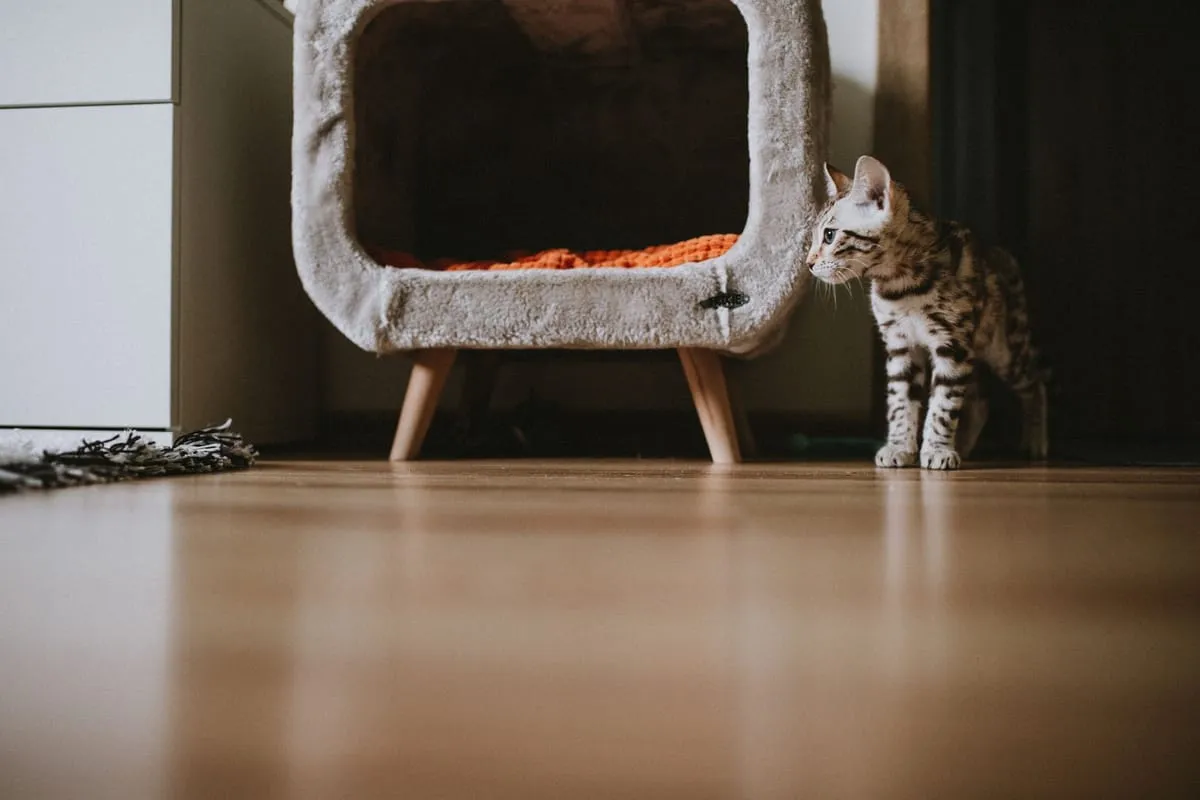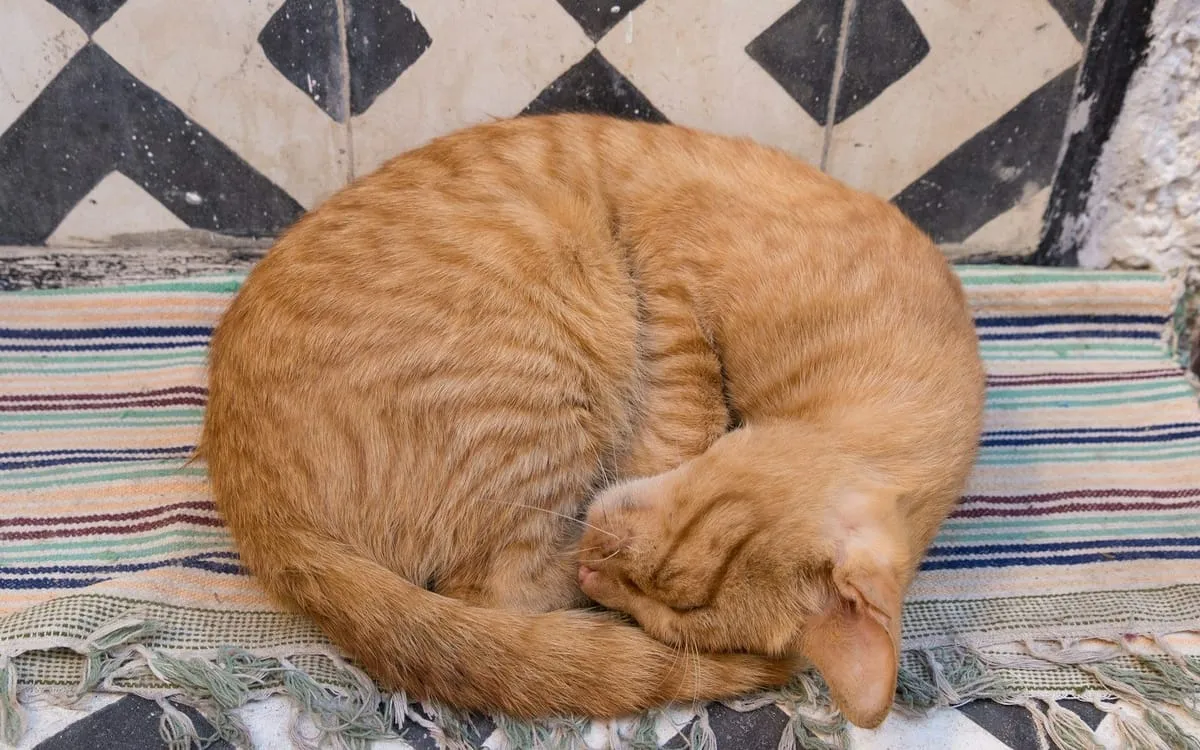
Few things test the bond with a cat like finding a puddle on the carpet, again, next to a perfectly good litter tray. It feels personal, and owners often arrive at my door convinced the cat is doing it to punish them. I want to take that off the table straight away, because it is the single most unhelpful way to think about it. Cats do not toilet out of spite. A cat going outside the tray is a cat with a problem it cannot solve any other way, and your job is to work out which problem.
Rule out a health issue first, always
Before anything else, if this is a sudden change in a cat that was previously reliable, treat it as a medical question until a vet says otherwise.
A number of health problems make a cat avoid the tray, and some are urgent. Urinary and bladder conditions can make weeing painful, so the cat starts associating the tray with hurt and looks for somewhere else. Some of these problems, particularly a male cat straining and producing little or nothing, are genuine emergencies that need same-day care. Others, from kidney issues to diabetes to arthritis that makes climbing into a high-sided tray hurt, change toileting habits more gradually.
Only once a vet has ruled health out does it make sense to work through the behavioural and practical causes. Skip this step and you can spend weeks rearranging trays while a real illness goes untreated.
Look hard at the tray itself
Cats are particular about their toilet in ways that seem fussy to us and are entirely reasonable to them. A huge share of litter-tray problems come down to something about the setup that the cat finds unacceptable.
Start with cleanliness, because it is the most common issue by far. A tray that smells fine to you can be repellent to a cat, whose sense of smell is far sharper. Scoop at least once a day, and empty and wash the whole tray regularly. Then think about the litter: cats generally prefer a soft, fine, unscented litter, and many dislike the perfumed kinds we buy to make ourselves feel better about the smell. A sudden switch of litter brand can be enough to put a cat off on its own.
The tray itself matters too. Many cats prefer a large, open tray to a covered one, which traps odours and can feel like a trap with only one exit. An older or arthritic cat may struggle with high sides. And a liner that snags claws, or a tray wedged in a spot the cat has come to dislike, can quietly be the whole problem.
Location, competition, and stress
Where the tray sits, and what else is going on in the house, is the third big piece.
Put yourself in the cat’s position. A tray next to a noisy washing machine, in a busy hallway, or right beside the food bowls is not a place a cat wants to be vulnerable. Cats prefer to toilet somewhere quiet, private, and with a clear line of sight so nothing can ambush them. If the only tray is in a high-traffic spot, the cat may simply choose somewhere it feels safer.
Competition is the other hidden factor in multi-cat homes. Cats do not like to share toilets, and a more confident cat can quietly guard the tray or the route to it, leaving a shyer cat stuck. This is why the standard advice is one tray per cat plus one spare, spread around the house rather than lined up in a row, so no cat can block access to all of them at once.
Clean up properly, and never punish
Two things quietly undo a lot of good work. The first is punishment. Telling a cat off, rubbing its nose in it, any of the old advice, only teaches the cat that you are frightening and unpredictable, which adds the exact stress that can cause the problem in the first place. It never helps.
The second is cleaning. If you clean an accident with a normal household product, the cat can still smell traces we cannot, and that lingering scent invites a repeat in the same spot. Use an enzyme-based cleaner made for pet accidents, which breaks the smell down rather than masking it, and avoid anything ammonia-based, since ammonia smells like urine to a cat and can make things worse.
Get the health check done first, then work patiently through the tray, the litter, the location, and the stress, changing one thing at a time so you can see what helped. Most cats can be brought back to reliable tray habits, and once you stop reading it as defiance and start reading it as a cat telling you something, the fix is usually there to be found. A cat that has somewhere clean, quiet, and safe to go will nearly always use it.
Common questions
- Why has my cat suddenly started weeing outside the litter tray?
- A sudden change is a red flag for a medical problem, especially a urinary or bladder issue, so a vet check comes first. Once that is ruled out, the usual culprits are a tray that is not clean enough, the wrong type or location, or stress.
- Is my cat doing it out of spite?
- No. Cats do not toilet out of revenge, and punishing them makes things worse by adding stress and fear. Going outside the tray is communication, telling you something about their health, their tray, or their environment is wrong.
- How many litter trays should I have?
- The rule of thumb is one tray per cat plus one spare, in different locations. Two cats means three trays. It sounds like a lot, but it removes competition and gives every cat a clean option nearby.
- What is the difference between spraying and normal weeing outside the box?
- Spraying is usually a small amount marked on a vertical surface with the tail quivering, and it is a marking behaviour tied to stress or territory. Squatting to pass a full puddle on the floor is a toileting problem, often to do with the tray or a health issue. They need different approaches.