People tend to choose a bird by how it looks or how well it might talk, and those are close to the least important things about living with one. Pet birds range from a palm-sized budgie to a macaw the length of your arm, and across that range the noise, the mess, the cost, and above all the commitment vary enormously. The wrong match is miserable for everyone and fills rescues with surrendered parrots. Choosing well starts with an honest look at what these birds actually ask of you, not what they look like on a perch.
The commitment is the real question
Before any species, understand the thing that catches most people out, because it dwarfs every other consideration: how long these animals live and how much they need.
A budgie or cockatiel may live into its teens. A larger parrot can live forty, fifty, sixty years or more, long enough to outlive the person who takes it on. That is not a pet in the way a hamster is a pet. It is a decades-long relationship with an intelligent, demanding animal that will need daily interaction, enrichment, and care for its entire life, through your house moves, job changes, and everything else. Add to that the noise, which for many parrots is genuinely loud, the mess of a creature that scatters food and destroys wood by design, and the cost of a big cage, a good diet, and avian vet care, and you have the real picture. Most people who struggle with a bird did not choose a bad bird. They underestimated the commitment.
So the honest first question is not “which bird do I like” but “which bird can I actually live with, and keep living with, for its whole life”.
Start small: budgies and cockatiels
For most people, especially first-time bird keepers, the smaller birds are not a compromise but genuinely the right choice, and they deserve more respect than they often get.
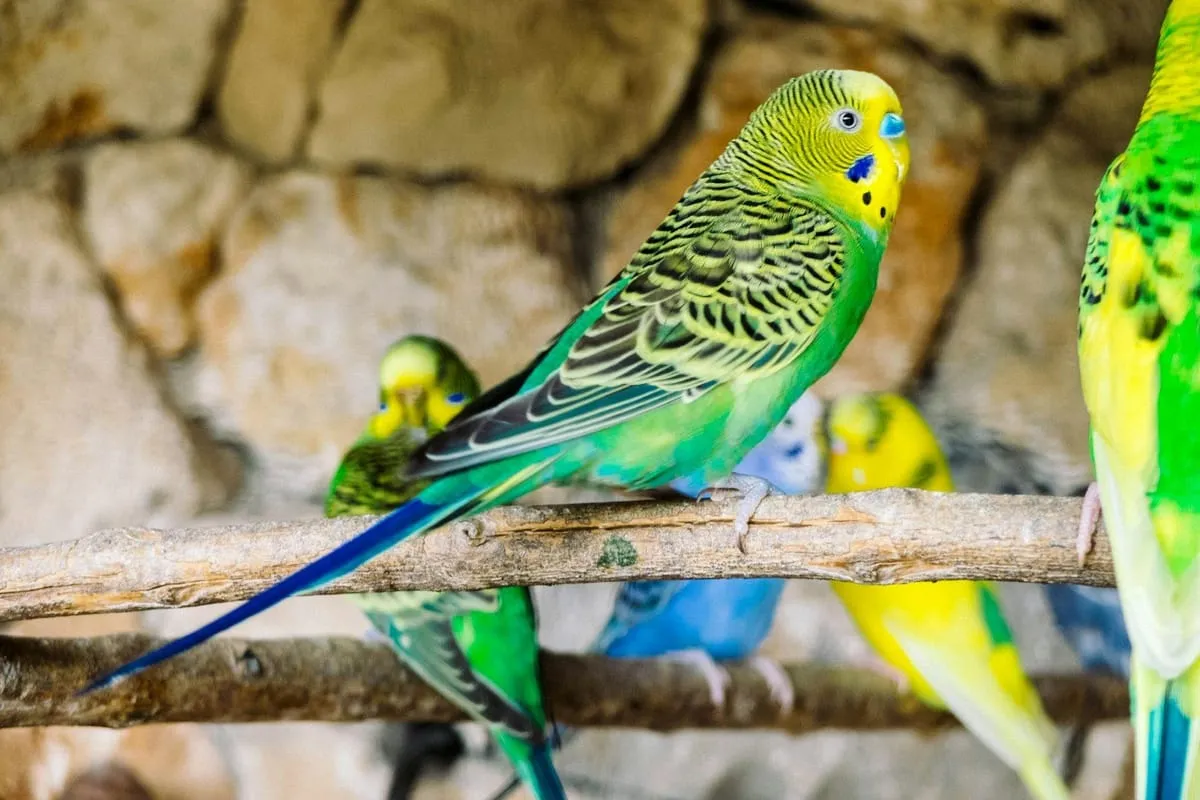
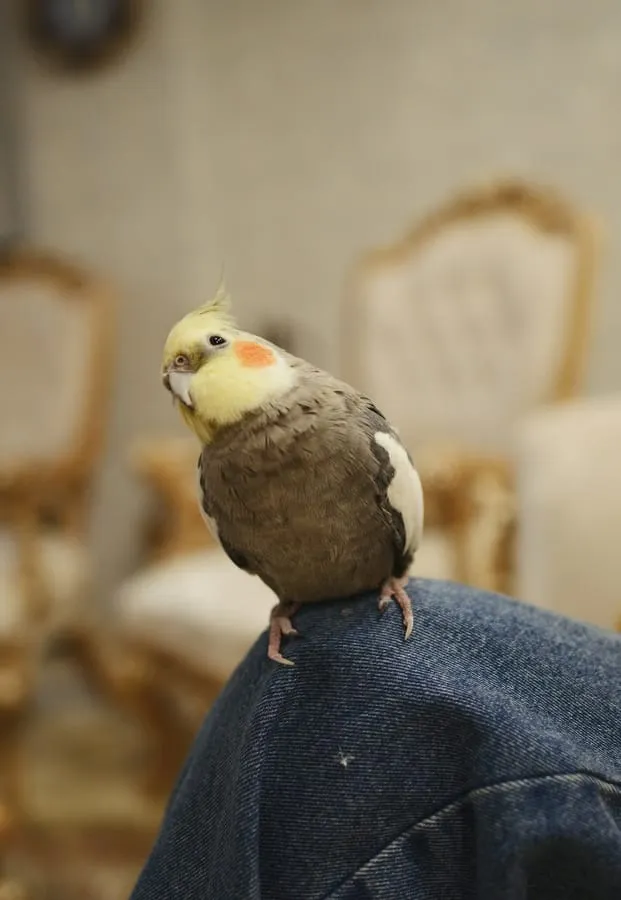
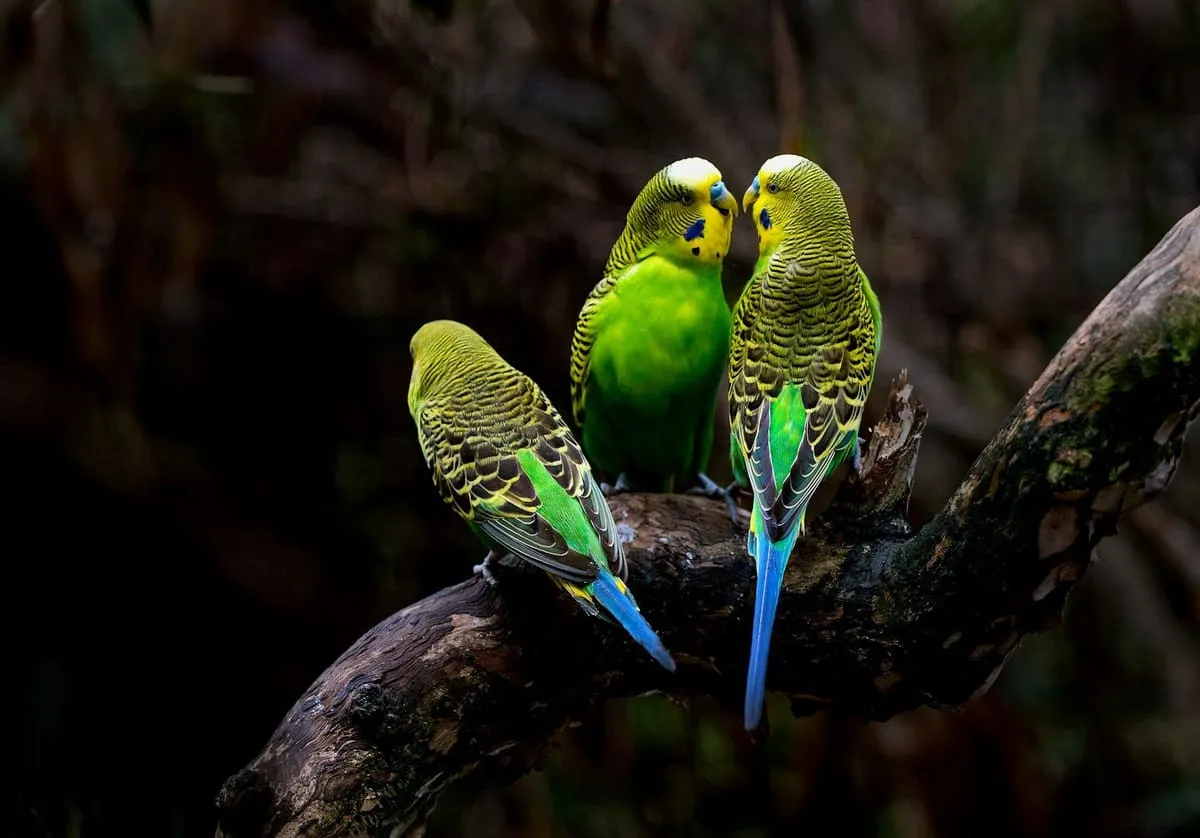
Budgies and cockatiels are smaller, quieter, cheaper, and far more manageable than the big parrots, and they can be every bit as tame, affectionate, and full of character. A hand-tame budgie or a gentle cockatiel is a delightful companion that will sit with you, learn tricks, and bond closely, without the ear-splitting volume, the destructive power, or the multi-decade weight of a large parrot. They still need proper care, company, a good diet, and enrichment, they are not throwaway starter pets, but they let you learn bird keeping on a scale you can handle. A great many people who think they want a big parrot would be happier, and so would the bird, with one of these.
Bigger parrots, bigger everything
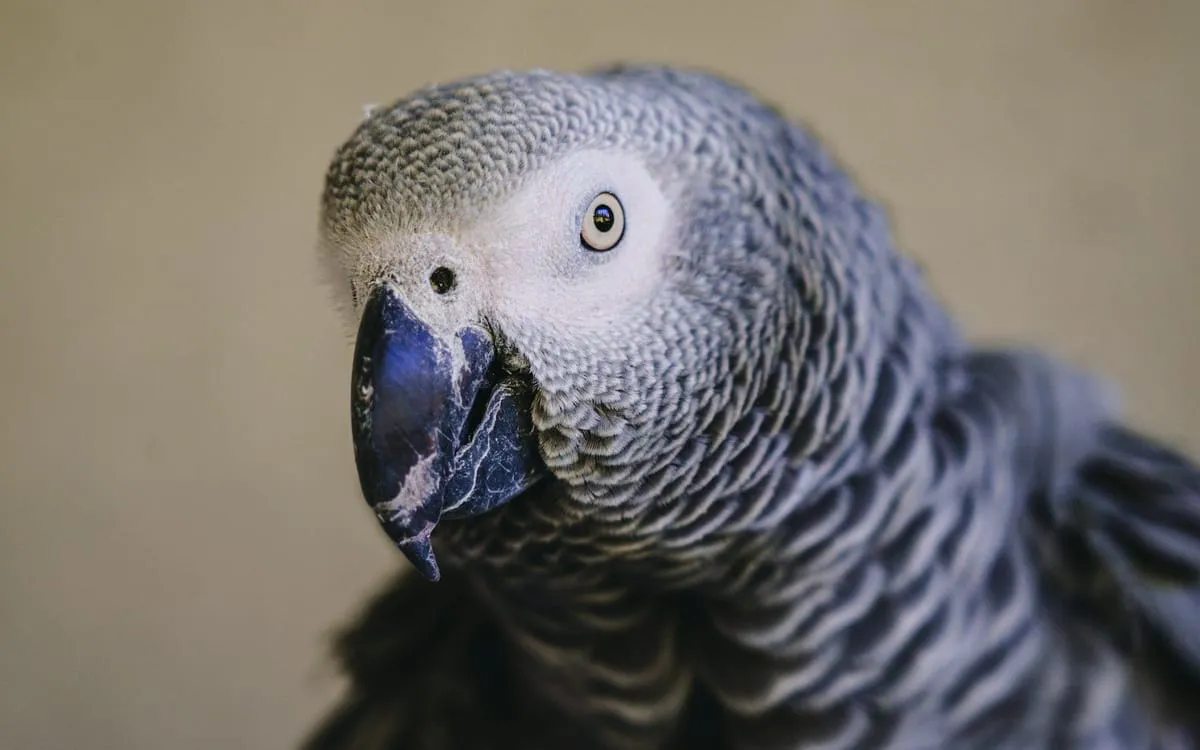
The large parrots, the African greys, amazons, cockatoos, and macaws, are extraordinary animals, and it is worth being clear-eyed about what they demand before you fall for one.
Everything scales up with them. The intelligence is greater, which is wonderful and also means they need hours of mental stimulation a day or they suffer. The noise can be genuinely house-filling. The beak can destroy furniture and deliver a serious bite. The lifespan runs to many decades. And the emotional needs are intense: some of these birds bond so hard that they struggle badly when life changes. In the right home, an experienced, committed owner with the time, space, and steadiness they need, a big parrot is a magnificent companion. In the wrong home, it becomes the screaming, plucking, biting bird that ends up passed from house to house. If a large parrot genuinely calls to you, spend real time around them first, ideally through a rescue, and go in with your eyes open.
One bird or two, and meeting the bird
Two last decisions shape daily life, and both reward a little honesty.
On numbers, it depends on the species and on you. Some birds, many finches and budgies, do far better with company of their own kind and can be lonely kept singly. Others bond intensely with people and may not want a rival. A single bird, though, needs you to be its flock, which is a real daily commitment of time and attention, not something you can skip on busy days. And do not add a second bird casually, since introductions can go badly and not all birds accept a companion. Think it through for the specific birds involved.
Whatever you decide, meet the actual bird before you commit, and pay attention to the individual. Is it bright, alert, and curious, or hunched and quiet? How does it respond to people? A good breeder or rescue will talk openly about a bird’s temperament and history and will happily steer you away from a poor match. Choosing a bird well is mostly about honesty, about the noise you can tolerate, the years you can commit, and the daily time you truly have, and then matching a bird to that rather than to a photograph. Get it right and you gain a companion of real intelligence and character. Get it wrong and both of you pay for it, often for a very long time.
Common questions
- What is the best pet bird for a beginner?
- Budgies and cockatiels are the usual recommendations, and for good reason. They are smaller, quieter, cheaper, and easier to care for than the big parrots, they can be wonderfully tame and characterful, and they live around a decade or so rather than fifty years. Most people should start here.
- How long do pet birds live?
- Longer than most people expect. Budgies and cockatiels often live into their teens, while larger parrots can live forty, sixty, or more years. A big parrot is genuinely a lifetime commitment that may outlive you, which is something to plan for honestly before taking one on.
- Are big parrots good pets?
- They can be incredible companions, but they are loud, messy, expensive, destructive, and need hours of interaction and enrichment every day for decades. They suit experienced, committed owners with the time and space, and they are behind a great many rescue surrenders when people underestimate them.
- Should I get one bird or two?
- It depends on the species and your time. Some birds do far better with company of their own kind, others bond closely with people. A single bird needs you to be its flock, which is a big daily commitment. Do not get a second bird casually, as introductions can go wrong.